
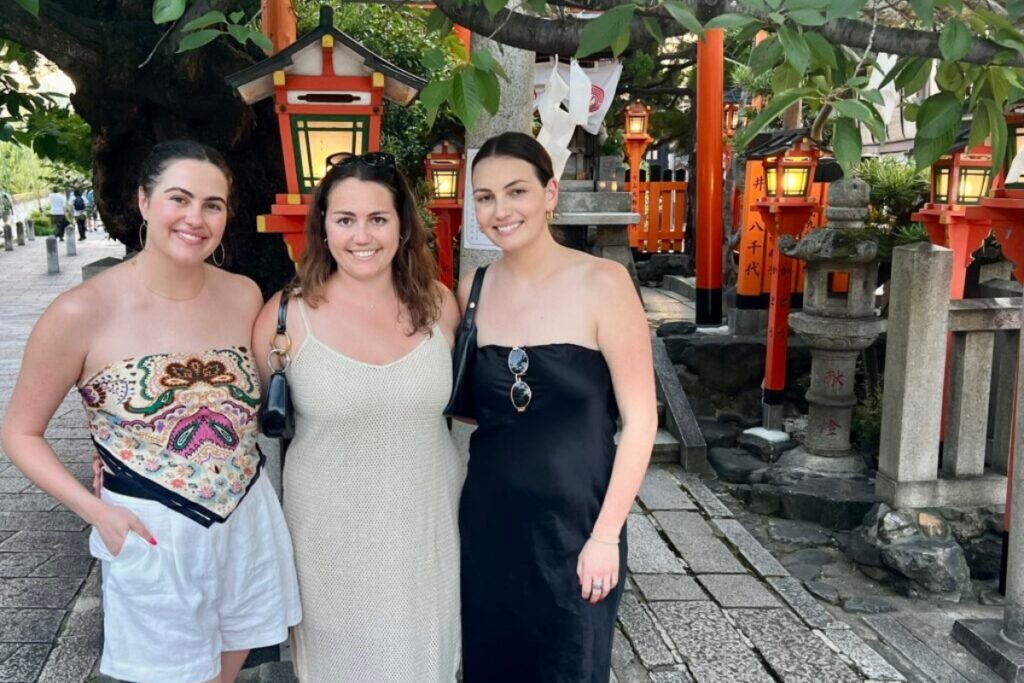
A Japan itinerary of 10 days is the sweet spot for first-time visitors who want to experience this country without feeling rushed or overwhelmed. I know this not just as a travel blogger, but as someone who lived in Tokyo in the early 1990s, has returned many times since, and spent 10 unforgettable days traveling Japan with my three adult daughters.
We spent 5 days in Tokyo, 3 days in Kyoto, and 2 days in Osaka on our Japan trip itinerary. That split felt exactly right. Each city has its own completely distinct personality, and moving between them on the shinkansen bullet train is part of the experience in itself.
This guide covers all 10 days in full detail, with links to my complete city guides where you can go deeper on each destination. Whether you are planning a family trip with grown kids or an empty nester adventure, this Japan travel guide gives you everything you need to plan with confidence and book with ease.
What made this trip unlike any other was that my daughters asked me to take them. They had grown up hearing my stories about living and working in Tokyo in my early twenties, and at some point they decided they wanted to see it for themselves. They wanted to walk the streets I had walked, eat the food I had eaten, and understand the place that had shaped so much of who I became.
Watching them experience Japan for the first time, through my eyes and their own, was one of the most meaningful things I have ever done as a mother. They were mesmerized from the moment we landed. Every temple, every train ride, every tiny bar in a back alley confirmed everything I had been telling them for years. Japan has that effect on people. It just does not disappoint.
How to Choose What to Prioritize on Your Japan Itinerary 10 Days
Ten days sounds like a lot until you realize how much Japan has to offer. Here is a simple framework to help you think it through before diving into the day-by-day plan.
- Spend the most time in Tokyo. It is the largest, most layered city on this Japan trip itinerary and rewards extra days in ways no other Japanese city can match. Five days feels generous until you are there, and then it feels exactly right.
- Use Kyoto as your cultural reset. After Tokyo’s energy, Kyoto’s temples, bamboo groves, and geisha districts feel like an entirely different country. Three days covers the highlights without rushing.
- Keep Osaka short and delicious. Osaka is Japan’s food capital. Two days is the right amount of time to eat your way through the city, see the main sights, and move on without overstaying.
- Book the shinkansen in advance. The bullet train connecting the cities on this Tokyo Kyoto Osaka itinerary is fast, reliable, and genuinely exciting to ride. Booking ahead saves money and guarantees your seats.
- Leave one unplanned afternoon per city. The biggest mistake first-time visitors make is over-scheduling. The best moments in Japan happen when you wander without a plan.
Trying to figure out what this trip will actually cost? Read this before you start booking.
Japan Itinerary 10 Days at a Glance
| Day | City | Focus |
|---|---|---|
| Day 1 | Tokyo | Harajuku and Shibuya |
| Day 2 | Tokyo | Tsukiji, Asakusa, Akihabara |
| Day 3 | Tokyo | Ginza, Shinjuku, Golden Gai |
| Day 4 | Tokyo | Shimokitazawa and teamLab |
| Day 5 | Tokyo | Mt. Fuji and Hakone day trip |
| Day 6 | Kyoto | Arashiyama, Bamboo Grove, Kinkaku-ji (Golden Temple) |
| Day 7 | Kyoto | Fushimi Inari, Nara day trip |
| Day 8 | Kyoto | Higashiyama, Kiyomizu-dera, Nishiki Market |
| Day 9 | Osaka | Osaka Castle, Dotonbori food tour |
| Day 10 | Osaka | Kuromon Market, neighborhoods, departure |
Getting Between Cities on Your Japan Trip Itinerary
One of the great joys of a Tokyo Kyoto Osaka itinerary is riding the shinkansen bullet train between cities. It is fast, smooth, punctual to the minute, and genuinely exciting, particularly when it passes through the Japanese countryside with Mt. Fuji appearing in the distance on a clear day.
Tokyo to Kyoto: Approximately 2 hours and 15 minutes on the Nozomi shinkansen. Sit on the right side heading west for the best chance of seeing Mt. Fuji.
Kyoto to Osaka: Only 15 minutes by shinkansen, or about 30 minutes by local train. The cities are close enough that some travelers stay in one and day-trip to the other.
I will be honest with you: our shinkansen experience did not go exactly as planned, and I am telling you this so yours does not go the same way.
On our first bullet train ride we completely underestimated how much time we would need to grab food from the station vendors before boarding. We raced to the platform with barely enough time to spare and nearly missed the train entirely. Lesson learned: build in at least 20 minutes before departure for food, bathrooms, and finding your platform.
On another leg of the trip we made the mistake of not booking the back row seats, which meant our oversized luggage had nowhere to go except the overhead racks. Lifting heavy bags above your head in a narrow train aisle while other passengers watch is exactly as awkward as it sounds. It was practically impossible. We should have used the luggage forwarding service and sent our bags ahead to the next hotel.
Despite all of this we laughed the entire way. That is the thing about traveling with your adult kids. Even the near-disasters become the stories you tell for years.
Practical tips for the shinkansen:
- Do yourself a favor and book the luggage forwarding service before you leave each city. Your bags get delivered directly to your next hotel while you board the train completely hands-free. If you skip the forwarding service, at minimum book the back row seats where there is dedicated space for large luggage behind you. Trust me on both of these.
- Reserve seats well in advance, especially during cherry blossom season and Golden Week
- The Japan Rail Pass covers shinkansen travel and is worth considering, but run the numbers before you buy. For a standard Tokyo, Kyoto, and Osaka itinerary, the pass often does not pay for itself. It becomes worth it if you are adding extra destinations like Hiroshima, Nara, or Hakone, or if you plan to take several regional trains in addition to the main shinkansen routes. If you are sticking to the three cities in this guide, individual tickets booked in advance will likely be the better value.
- Pick up an ekiben (station bento box) before boarding. Eating on the shinkansen is perfectly acceptable and one of the small pleasures of traveling Japan this way
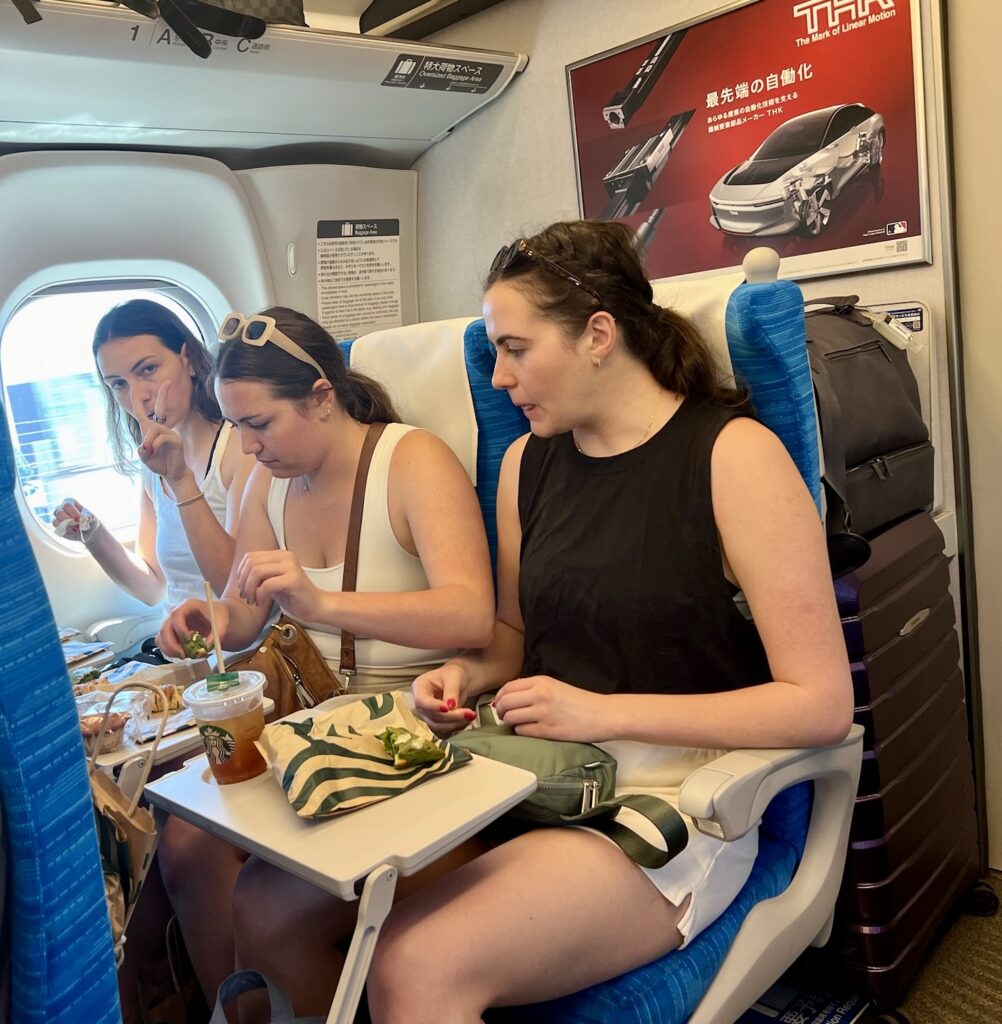
On this leg of the trip, we took our own advice and grabbed food before boarding. The back row seats with luggage storage behind you are the move. Highly recommend.
Days 1 to 5: Tokyo on Your Japan Itinerary 10 Days
Tokyo deserves five full days on any Japan itinerary. It is one of the largest, most layered cities in the world, and each neighborhood feels like a completely separate destination.
Tokyo moves fast, feeds you constantly, and surprises you at every turn. From the ancient cedar forests of Meiji Shrine to the neon chaos of Akihabara, from hidden speakeasy bars in Shibuya to extraordinary basement food halls, this city contains more than five days can fully cover. Five days, however, gets you very close.
Not sure where to stay in Tokyo?
Save Money on Tokyo Attractions: Klook Pass Greater Tokyo
If you plan to visit several paid attractions during your 5 days in Tokyo, the Klook Pass Greater Tokyo is worth looking at before you start booking individually. The pass bundles multiple attractions at a discounted combined price, and if you take advantage of enough of them the savings add up quickly.
One important note: Shibuya Sky is no longer included in the pass and must be booked separately. Do not wait on that one. My friend and I tried to get same-day tickets and it was completely sold out. We were genuinely disappointed.
The pass works best if you plan to visit at least three or four of the included attractions. Check the full list on Klook first and count how many interest you before deciding whether to buy.
[Get the Klook Pass Greater Tokyo on Klook]
[Book Shibuya Sky tickets separately on Klook]
Tokyo Day by Day
- Day 1: Meiji Shrine, Harajuku, Shibuya Crossing
- Day 2: Tsukiji Market, Senso-ji Temple, Asakusa, Akihabara
- Day 3: Shinjuku Gyoen, Ginza, Golden Gai, Omoide Yokocho
- Day 4: Shimokitazawa, teamLab Borderless, Roppongi
- Day 5: Mt. Fuji and Hakone day trip
This article covers the Tokyo highlights you need for a 10-day Japan itinerary. For the complete day-by-day breakdown with exact timings, restaurant recommendations, and everything to book in advance:
Must-Book Tokyo Experiences
Shibuya Sky Observation Deck
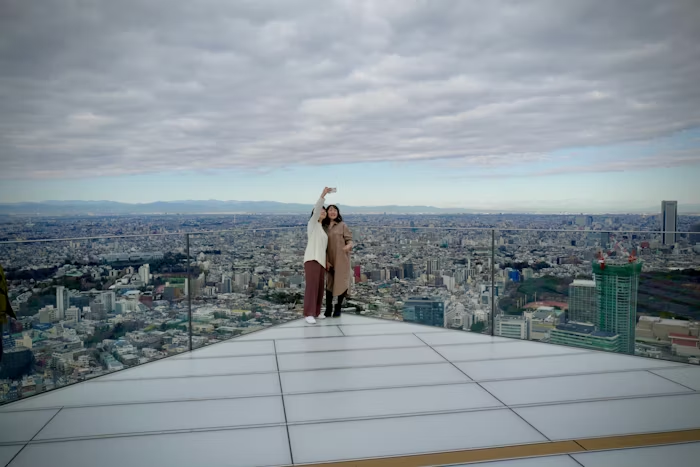
Shibuya Sky
One of the best ways to understand Tokyo’s scale is to see it from above. Shibuya Sky is an open-air rooftop deck with 360-degree panoramic views of the city, including Mt. Fuji on a clear day. It gave us that instant “we are really in Japan” feeling that nothing else on the trip matched.
- Open-air deck with 360-degree Tokyo skyline views
- Mt. Fuji visible on clear days, particularly in cooler months
- Timed entry tickets sell out quickly on weekends and during cherry blossom season
Best for: First-time visitors and families who want that signature Tokyo aerial moment
Tickets sell out. Book your Shibuya Sky tickets in advance on Klook, where your voucher also gets you a 10% discount on food and drinks at the lounge.
Shibuya is just one of five extraordinary neighborhoods covered in detail in my complete Tokyo guide. If you want the full Shibuya experience including Shibuya Crossing, the best bars, and where to eat, it is all in there.
teamLab Borderless at Azabudai Hills
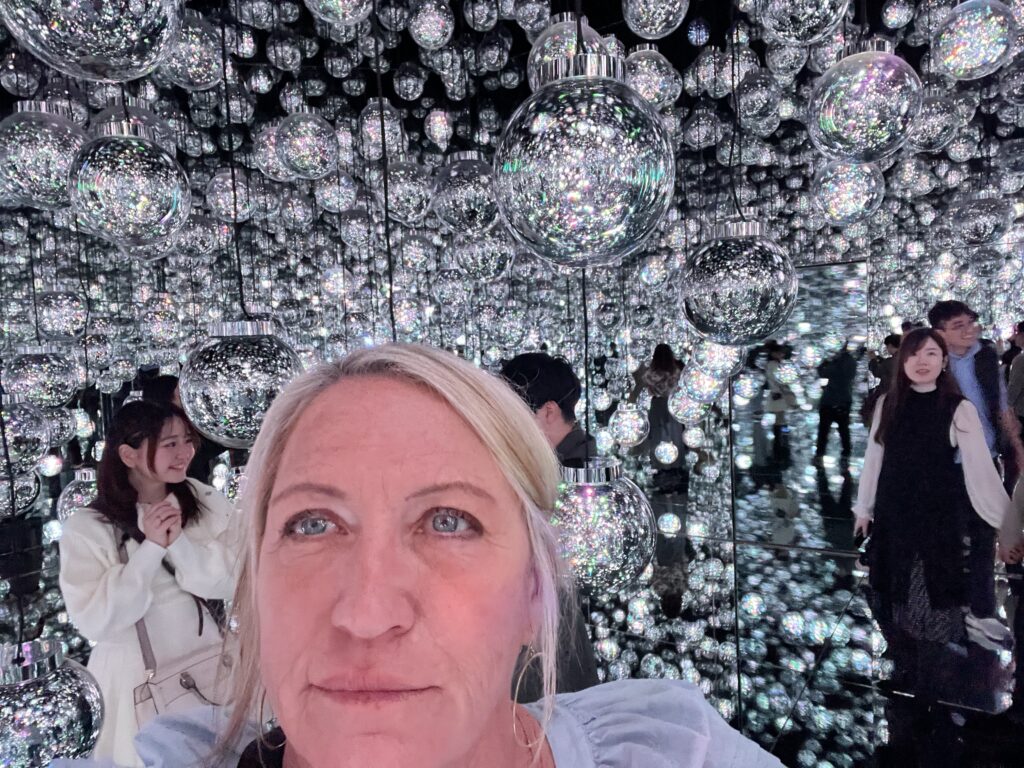
A fully immersive digital art experience where your body becomes part of the artwork. Walking through teamLab with my daughters was one of the highlights of our entire Japan trip itinerary. We went in expecting something beautiful and came out an hour and a half later not wanting to leave.
Sit down, order matcha green tea, watch flowers bloom inside your cup. The EN Tea House at teamLab Borderless is not to be missed
- Timed entry tickets sell out weeks in advance, especially during school holidays
- Fully interactive rooms that respond to your movement
- Works beautifully for all ages but particularly resonates with adult kids
Best for: Families, adult kids, and anyone who appreciates art and design
If you are only doing one teamLab experience on your Japan itinerary, most experienced travelers recommend Biovortex Kyoto over either Tokyo location. As the newest flagship, it functions as a best-of compilation that blends the artistic depth of Borderless with the physical playground energy of Planets, while adding completely unique elements found nowhere else.
Here is how the three locations compare at a glance:
| Feature | Biovortex Kyoto | Borderless Tokyo | Planets Tokyo |
|---|---|---|---|
| Main vibe | Epic and complete | Artsy and wandering | Physical and sensory |
| Navigation | Easy corridor layout | Maze-like, no map | Linear one-way path |
| Footwear | Shoes on | Shoes on | Strictly barefoot |
| Time needed | 3 to 4 plus hours | 3 to 4 hours | 2 hours |
| Unique highlight | Bubble room, mercury goo room | EN Tea House with blooming matcha | Knee-deep water with digital koi |
The photos above are from my visit to teamLab Borderless in Tokyo, and it genuinely blew us away. That said, Biovortex Kyoto did not exist yet when we made this trip, and it is already at the top of my list for my next Japan visit. As the newest and largest teamLab location, it is supposed to be extraordinary, and everything I have read suggests it takes the concept to a completely new level.
Whichever location you choose, book early. All three sell out, particularly during peak travel seasons. As of this writing, Viator is offering the best deals on tickets:
- Book teamLab Biovortex Kyoto
- Book teamLab Borderless Tokyo (includes 24 Hour Subway Ticket)
- Book teamLab Planets Tokyo (includes 24 Hour Subway Ticket)
Mt. Fuji and Hakone Day Trip
Hakone Onsen Experience, Lake Ashi, and Open-Air Museum Tour
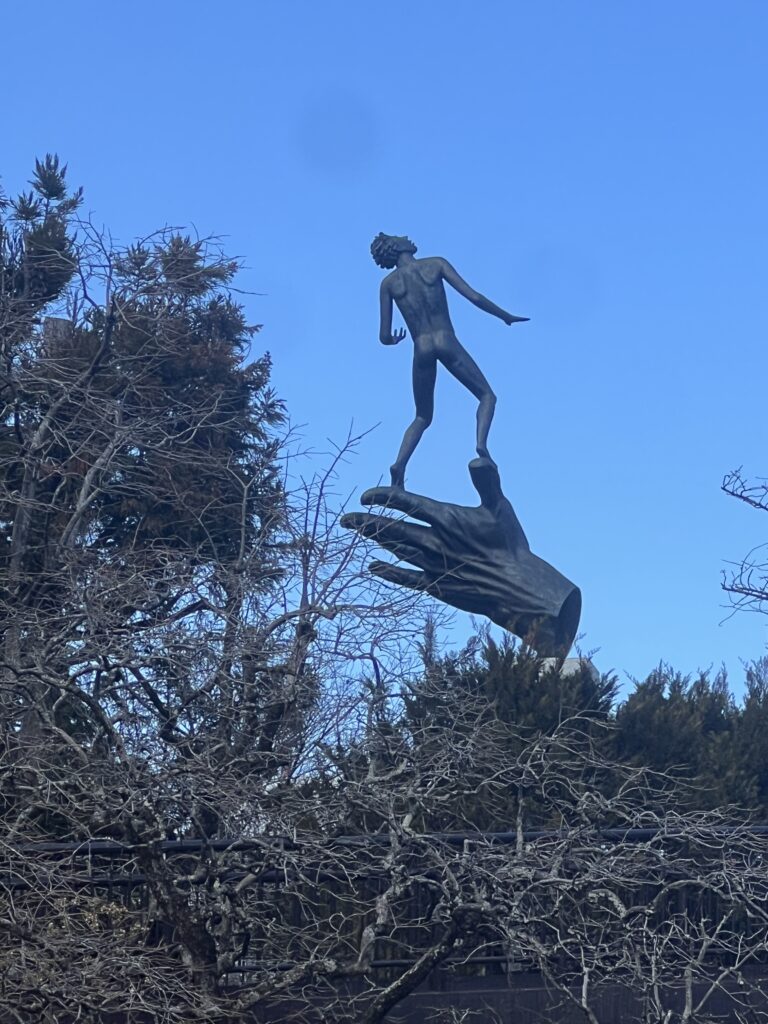
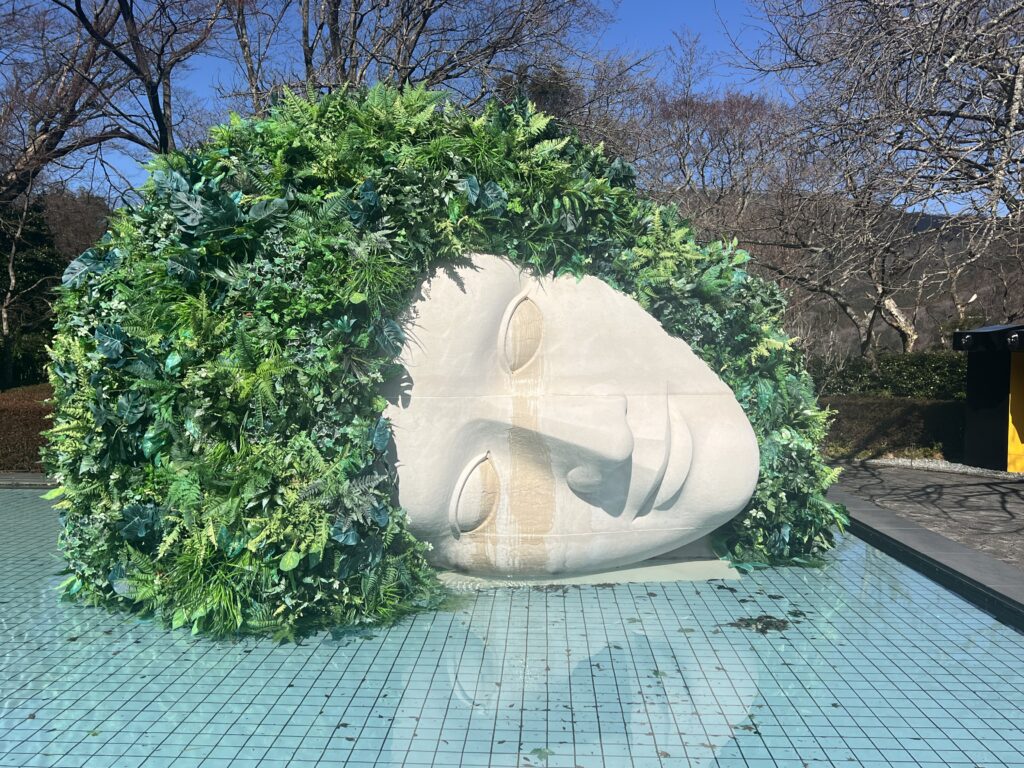
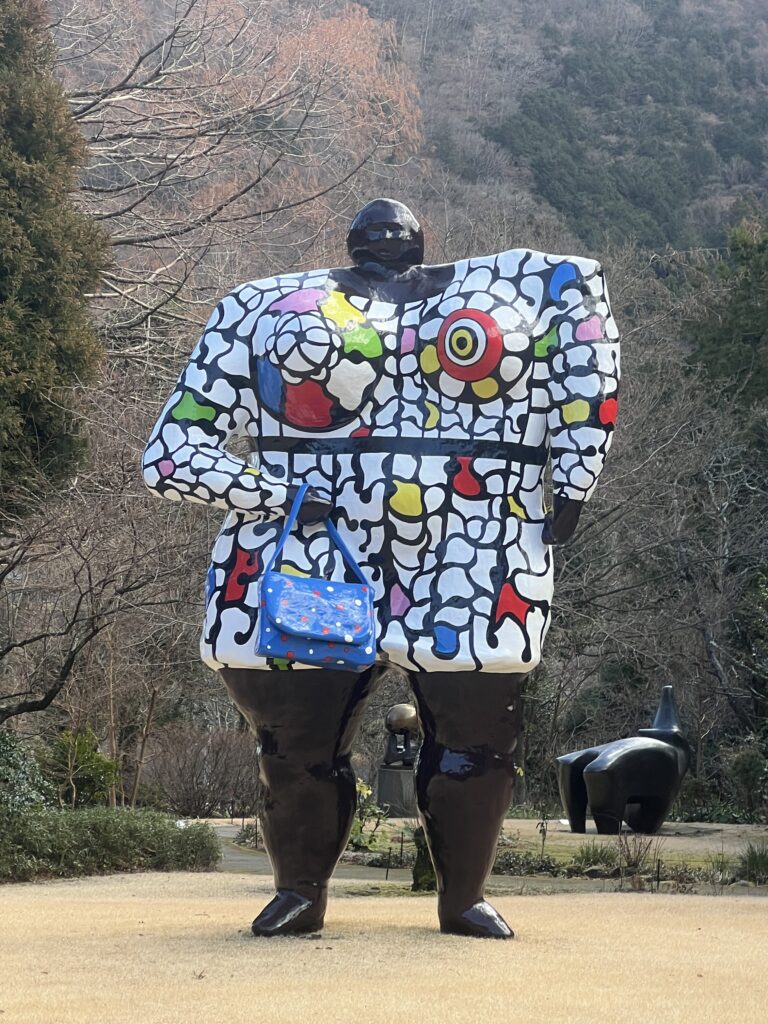
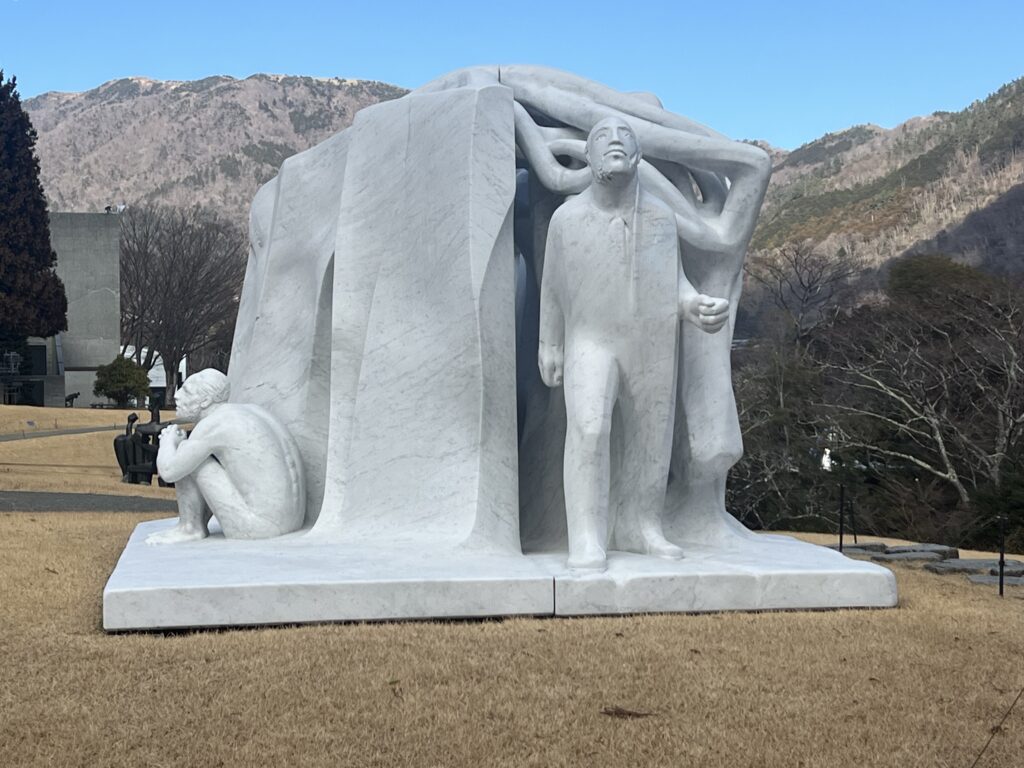
A few of the many incredible exhibits at the Hakone Open-Air Museum. This place completely surprised us.
I did this tour with a friend and it is the one I now recommend above all others for a Hakone day trip from Tokyo. What sets it apart is the Hakone Open-Air Museum, one of the most extraordinary museums I have visited anywhere in the world. Sculptures by Japanese and Western artists are displayed across a stunning outdoor landscape, and tucked inside is an entire dedicated Picasso museum. I was not expecting it and it became one of the highlights of the entire trip.
- Combines Lake Ashi cruise, Owakudani volcanic valley, the Open-Air Museum, and a genuine onsen hot spring in one day
- Private tour with an English-speaking guide who handles all public transportation
- Hakone Free Pass included, which saves both money and significant planning stress
Best for: First-time Hakone visitors who want to see everything in one organized day without logistics stress
This tour runs approximately 7 hours, has 81 Tripadvisor reviews, and starts from around $177 per person with group discounts available. It sells out. Book before you arrive in Tokyo.
Your Four Stops
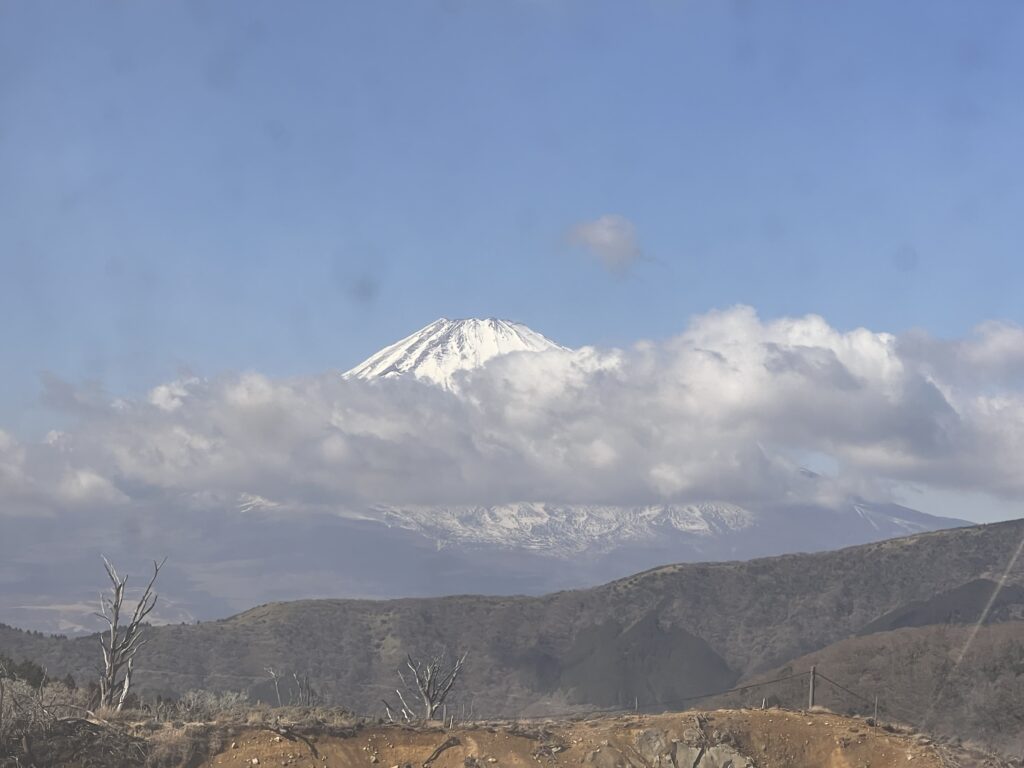
Lake Ashi A scenic one-hour cruise across Lake Ashi with views of Mount Fuji and the surrounding mountains. On a clear day the reflection of Fuji in the still water is one of the most photographed views in all of Japan.
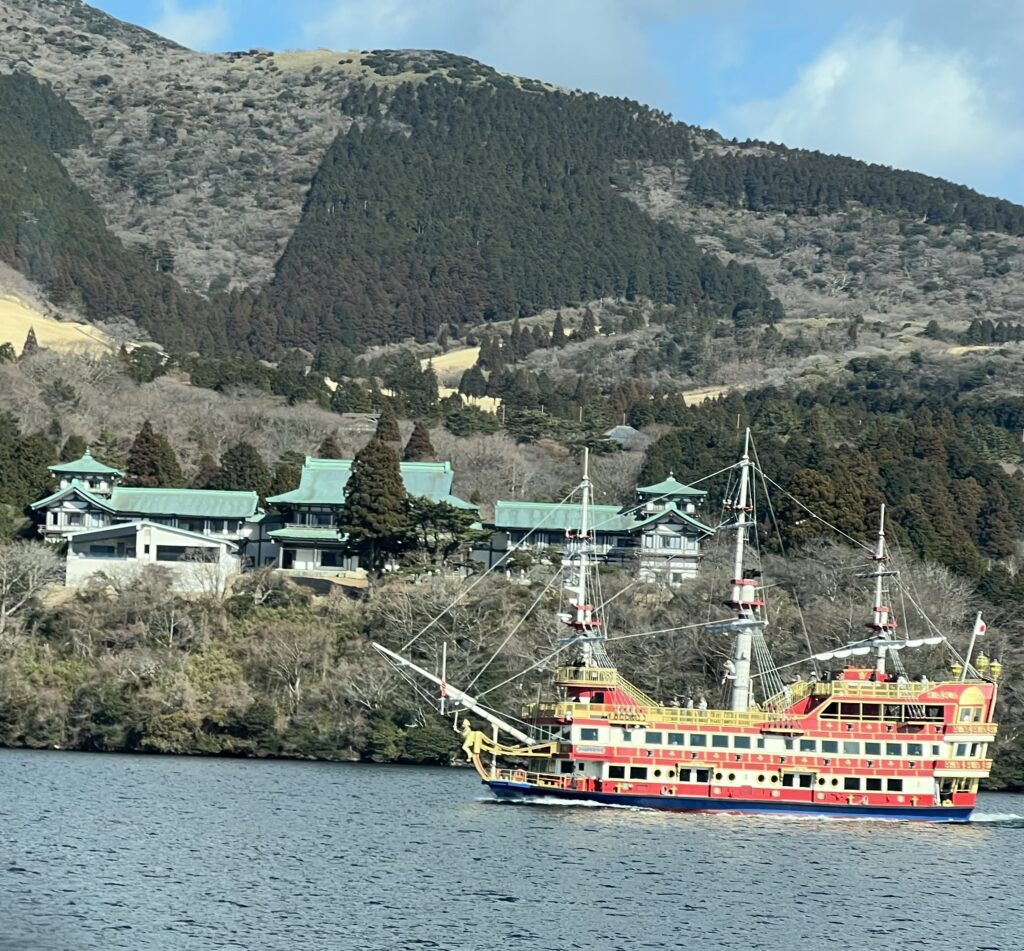
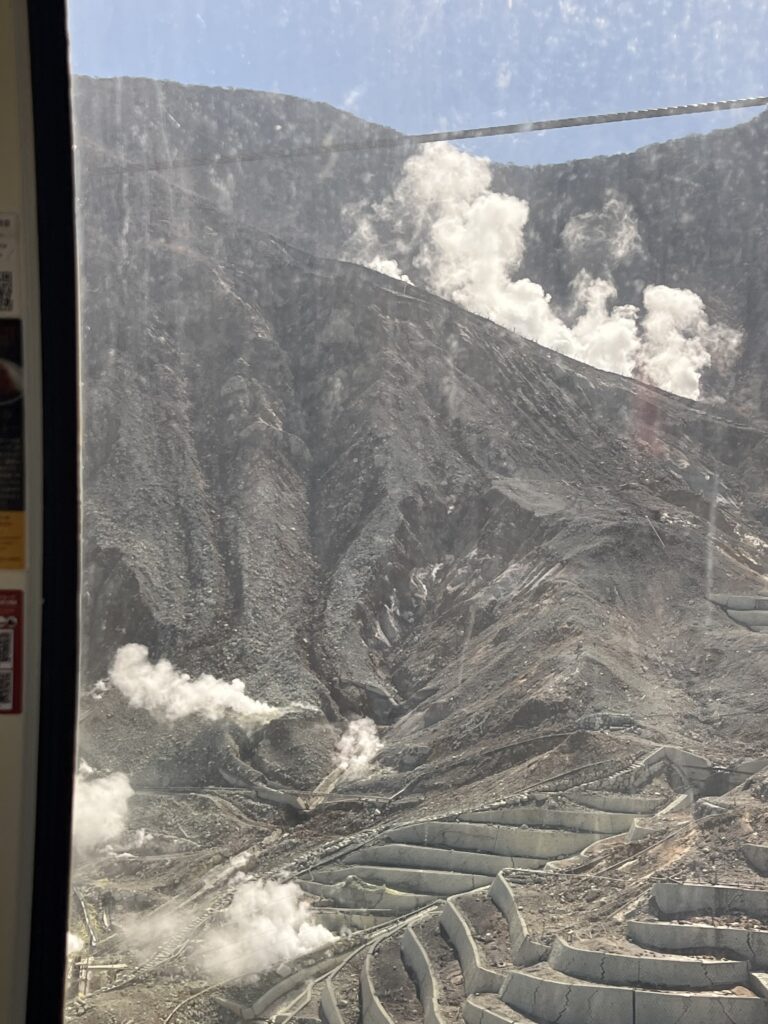
Owakudani Volcanic Valley Owakudani was created 3,000 years ago during the last eruption of Mount Hakone. White smoke drifts across the stone valley and sulfur hangs in the air. The ropeway ride up to Owakudani delivers sweeping aerial views of Mount Fuji that feel completely surreal, particularly on a clear morning.
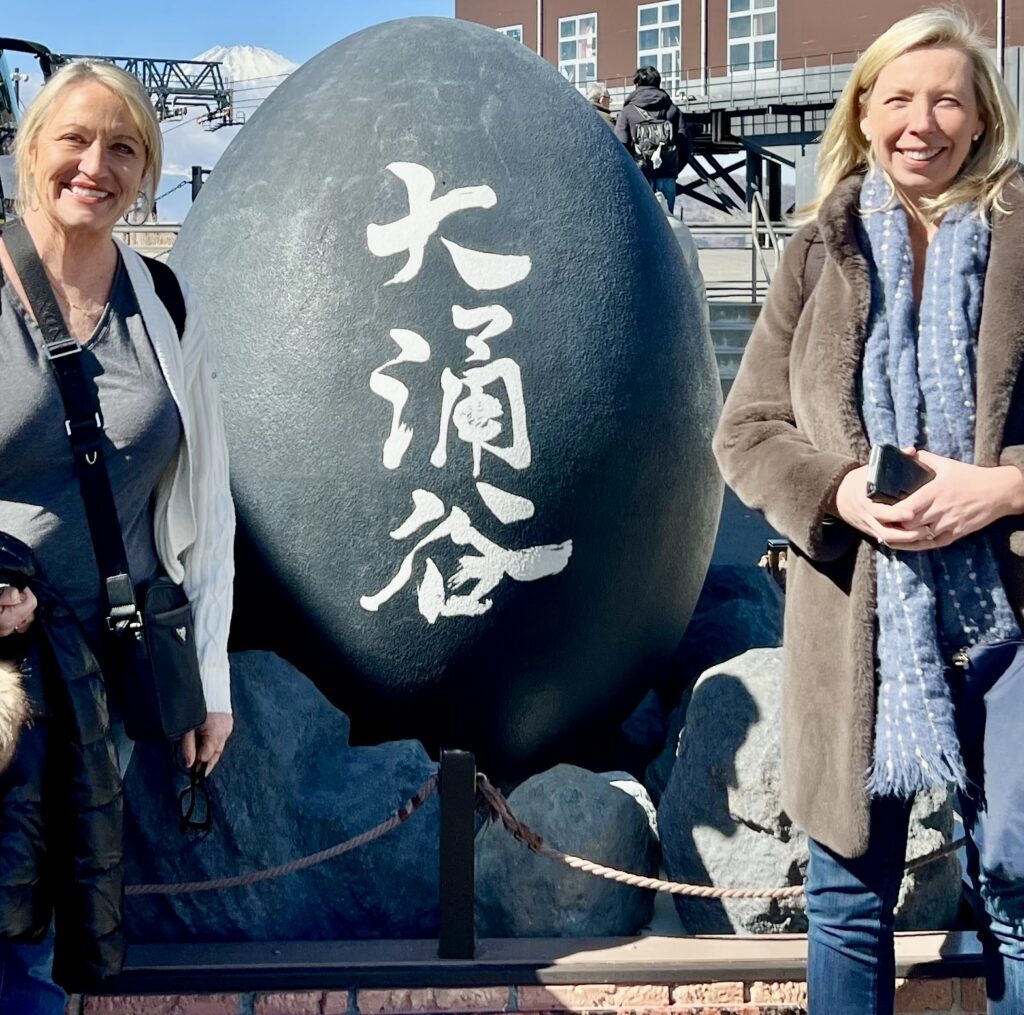
This is also where you find the kuro-tamago, or black egg. Ordinary chicken eggs boiled in the valley’s sulfur-rich hot springs turn completely black from a chemical reaction between the hydrogen sulfide and iron in the water.
- Local folklore says eating one adds seven years to your life
- Inside the shell it looks and tastes exactly like a regular hard-boiled egg, served with salt
- Buy them fresh at the Owakudani Kurotamago stand on site
Hakone Open-Air Museum Do not underestimate this stop. The combination of world-class sculpture, mountain landscape, and a dedicated Picasso museum inside is genuinely remarkable. Give yourself more than the scheduled hour here if you can.
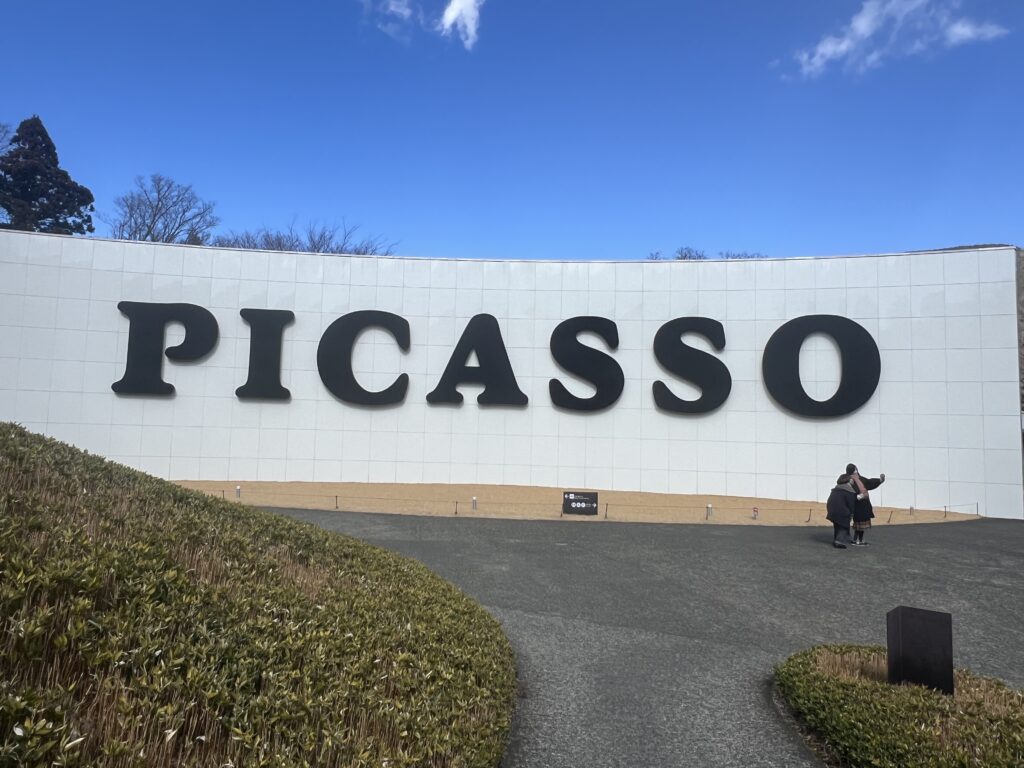
Izumi Hakone Onsen (Hotspring) End the day soaking in a traditional Japanese hot spring fed by seven natural sources. After a full day of walking, volcanic valleys, and Mt. Fuji views, this is exactly what you need before heading back to Tokyo.
Best for: First-time Japan visitors who want to see Mt. Fuji without the stress of planning transportation
This tour sells out during peak season. Book your spot as early as possible.
“The Mt. Fuji day trip was the highlight of our entire 10 days in Japan. We got there early and had a perfectly clear view. By the time we headed out, the clouds had already started rolling in. Book early and go first thing.” — Barbara K., Laguna Niguel, CA
The experiences above are the highlights you need for a 10-day Japan itinerary, but Tokyo deserves a much deeper dive than this overview can provide. If you are spending 5 days in the city, you will want the full breakdown including exact timings for each neighborhood, where to eat at every stop, what to book and when, and the personal stories and insider tips that make each day feel effortless rather than overwhelming.
Everything you need is in my complete Tokyo guide:
Planning a trip to Japan? Get my free Japan Insider Tips guide delivered straight to your inbox. Sign up for the Sake with Susan community and I will send it to you immediately.
Days 6 to 8: Kyoto on Your 10-Day Japan Itinerary
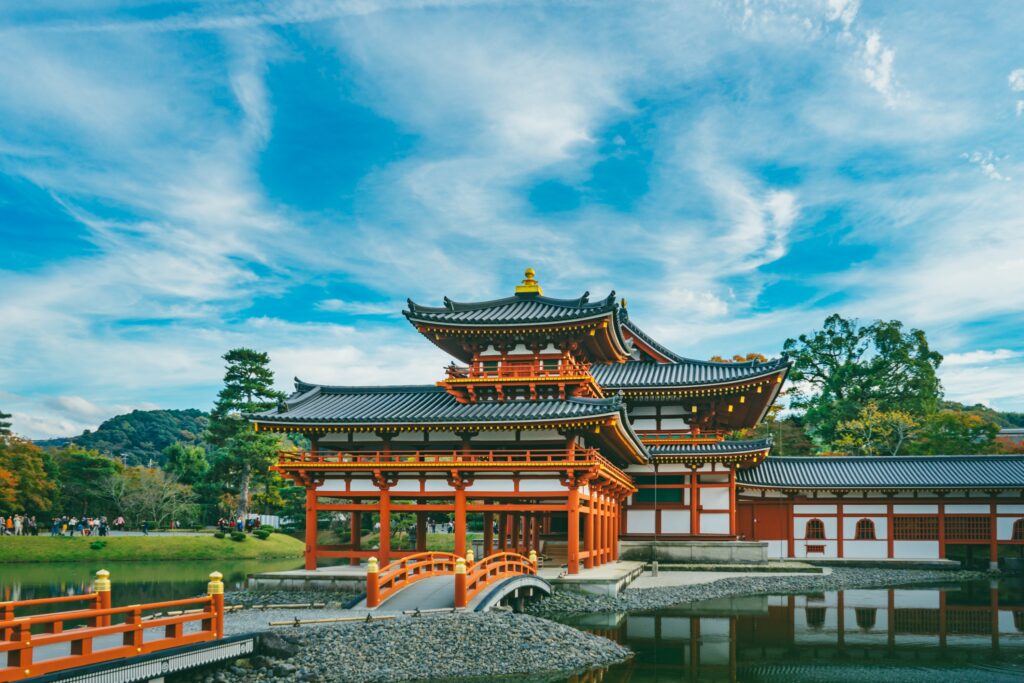
Where to Stay in Kyoto: Genji Kyoto Hotel
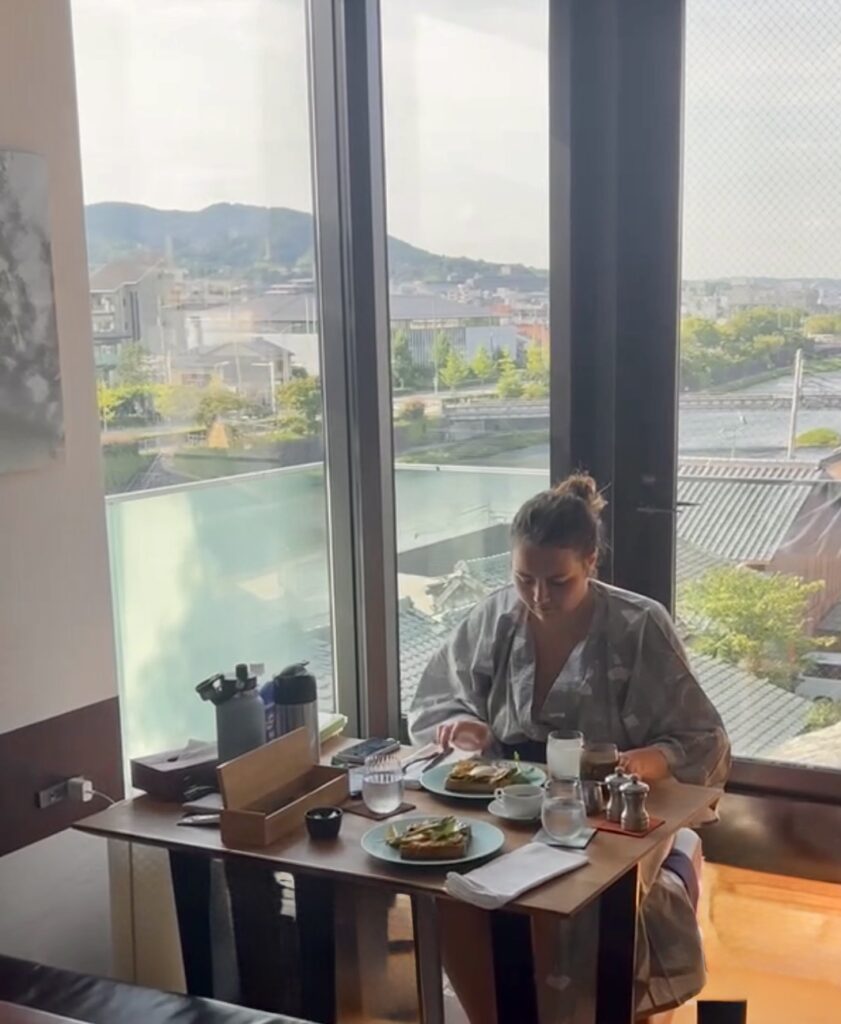
I recommend the Genji Kyoto Hotel to everyone visiting Kyoto and would stay there again without hesitation. It is a member of Design Hotels, which tells you everything about the aesthetic. Every room is beautiful, modern, and decorated with a Japanese feng shui sensibility that feels intentional and calming in a way that generic hotel rooms never do. After days of temples and walking, coming back to a room that feels this considered is genuinely restorative.
With only 19 rooms it has an intimate feel that large hotels simply cannot replicate. The staff make you feel like the only guests in the building, which after the crowds of Fushimi Inari and the Bamboo Grove feels like exactly the right antidote.
The hotel sits right along the peaceful Kamo River in the heart of the city, within walking distance of Kiyomizu-dera Temple and Sanjusangen-do Temple. It has a sun terrace, garden, modern restaurant, and bar.
- Member of Design Hotels with beautifully considered Japanese aesthetic in every room
- Only 19 rooms for an intimate and personal experience
- Kamo River location within walking distance of major temples
- Sun terrace, garden, modern restaurant, and bar on site
Best for: Couples, families with adult kids, and anyone who wants a design-forward boutique hotel that feels genuinely special rather than just comfortable
With only 19 rooms this hotel books up quickly, especially during cherry blossom season and autumn foliage. Reserve well in advance.
First Impressions of Kyoto
Arriving in Kyoto after five days in Tokyo is one of the great contrasts on any Japan trip itinerary. The pace drops immediately. The streets narrow. The architecture shifts from glass towers to wooden machiya townhouses and ancient temple gates.
My daughters summed it up perfectly the moment we arrived: Kyoto feels natury. After five days in Tokyo, that shift hits you immediately. The streets are quieter, the air is cleaner, and greenery seems to appear around every corner in a way that never happens in a big cosmopolitan city.
For me it goes even deeper than that. Walking through Kyoto’s temple districts and catching a glimpse of a geisha disappearing down a lantern-lit alley, I kept feeling like I had stepped into a scene from Japan’s history. Unlike Tokyo, which was largely rebuilt after World War II, Kyoto was spared, and you feel that in your bones when you are there. These buildings are genuinely ancient. The traditions are still alive. It is the closest thing to old Japan that exists anywhere in the country, and nothing quite prepares you for that feeling the first time you experience it.
Kyoto Day by Day
- Day 6: Arashiyama Bamboo Grove (arrive by 8 AM), Kinkaku-ji Golden Pavilion, Nishiki Market
- Day 7: Fushimi Inari, Nara day trip
- Day 8: Higashiyama, Kiyomizu-dera, Nishiki Market
For the complete day-by-day Kyoto breakdown with timings, restaurant picks, and booking details, read my full guide:
Must-Book Kyoto Experiences
Day 6: Arashiyama Bamboo Forest and Golden Pavilion E-Bike Tour
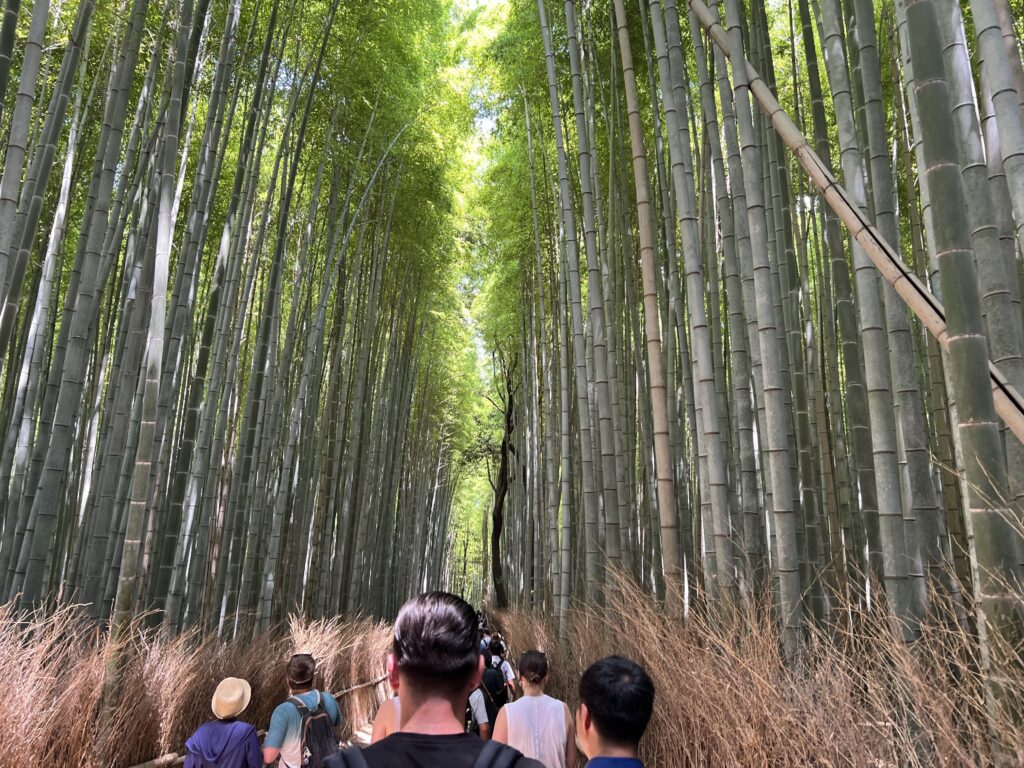
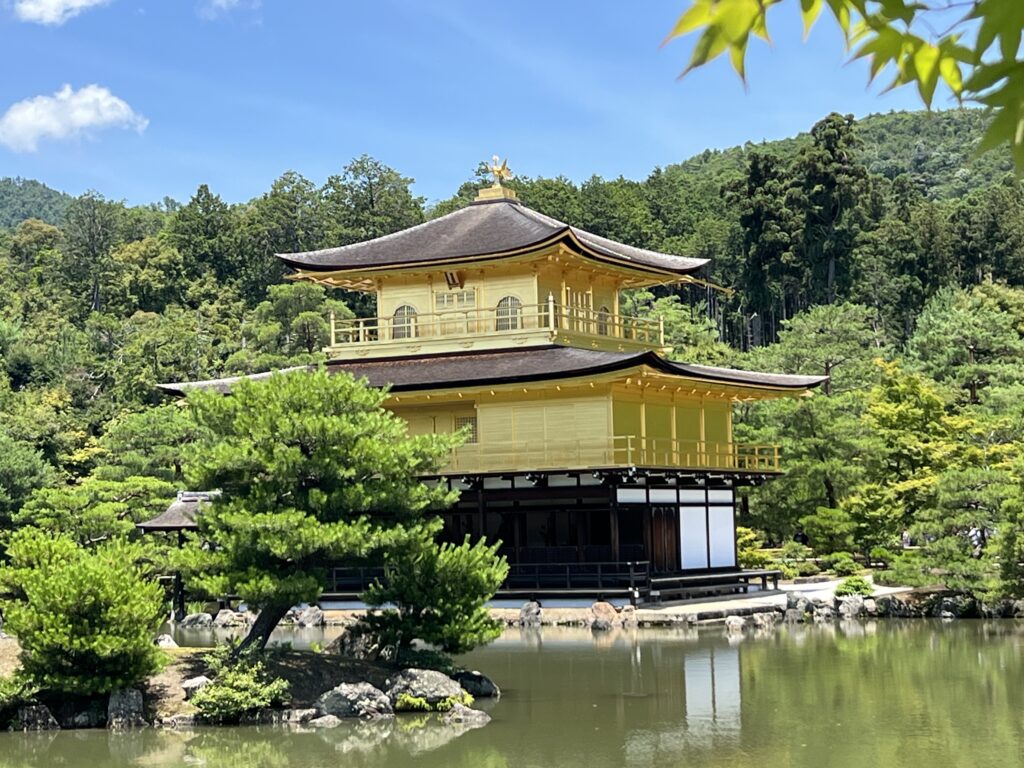
This is one of the best ways to cover Kyoto’s most iconic stops without spending the entire day on a bus or navigating public transportation between sites. An English-speaking local guide takes you through Kyoto’s hidden backstreets connecting four of the city’s most celebrated destinations in one active, enjoyable ride.
- Starts at Kitano Tenmangu Shrine, then rides to Kinkaku-ji Golden Pavilion, Tenryu-ji Temple (a UNESCO World Heritage Site with a stunning Zen garden), and the Arashiyama Bamboo Forest
- E-bikes make the distance easy and enjoyable for all fitness levels
- Local guide shares historical context and insider stories throughout the route that you simply would not get exploring independently
Best for: Active travelers, families with adult kids, and anyone who wants to cover Kyoto’s highlights in a fun and memorable way rather than following a standard bus tour
This tour books up. Reserve your spot before you arrive in Kyoto.
[Book the Kyoto Bamboo Forest and Golden Pavilion E-Bike Tour on Viator]
Afternoon Option: teamLab Biovortex Kyoto
If you are looking for an afternoon activity between the E-Bike Tour and the Geisha Night Walk, teamLab Biovortex Kyoto is the strongest option in the city. As the newest and largest teamLab location in Japan, it functions as a best-of compilation that goes beyond both Tokyo locations in scale and variety.
If you have already read the Tokyo section of this article, you saw the full comparison of all three teamLab locations. Biovortex Kyoto consistently comes out on top for first-time visitors who want the most complete experience.
Timed entry sells out weeks in advance. Book before you arrive in Kyoto.
Kyoto 5-Star Geisha Night Walk: Small-Group Authentic Experience
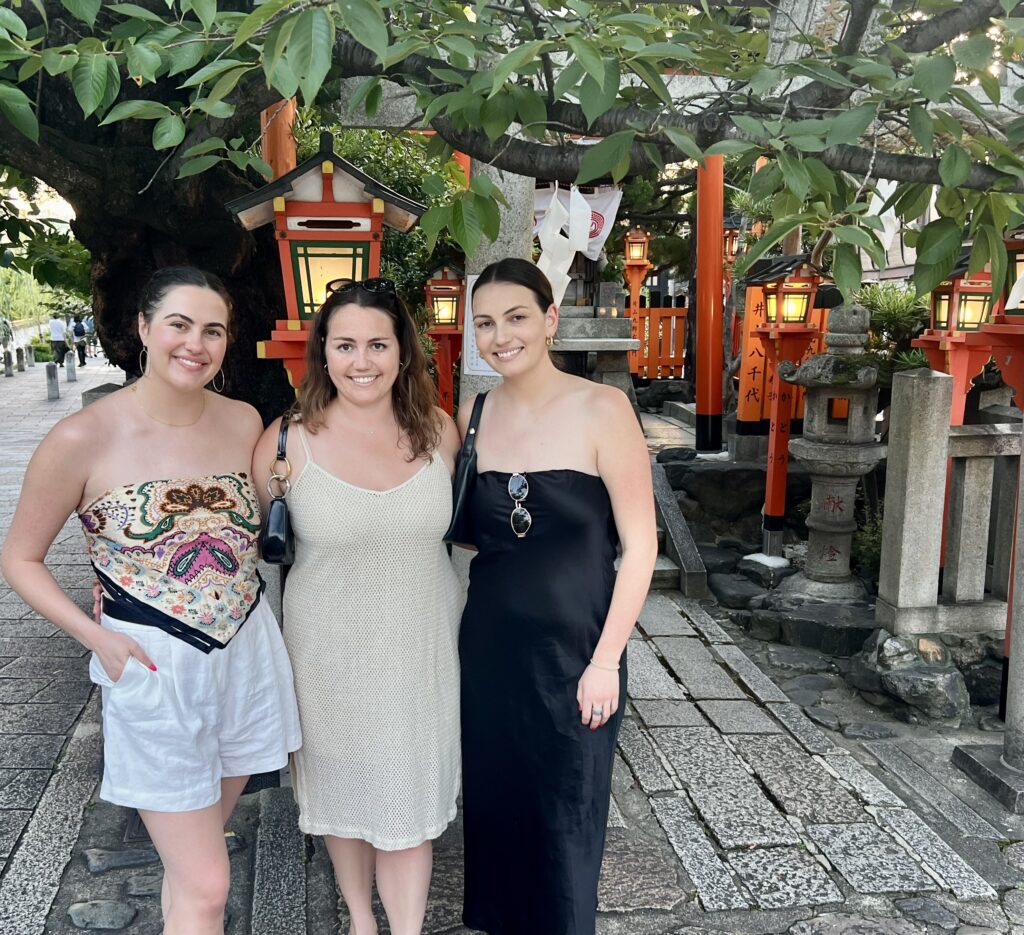
This is the evening tour I recommend most enthusiastically for anyone visiting Kyoto. When the lanterns come on and the wooden teahouses glow in the dark, Gion becomes one of the most atmospheric places in all of Japan. This small-group walking tour takes you through the heart of it with a guide who knows exactly where to go and what to look for.
The route covers an extraordinary amount of ground in one evening, including Hanamikoji Street with its working ochaya teahouses, the Yasaka Pagoda for the best night photos in Kyoto, the hidden geisha street of Shinbashi Dori, the lively Pontocho District, Yasaka Shrine, and the magical stone-paved alleyway of Ninenzaka. A Kyoto snack is included along the way.
- Small group format creates an intimate experience in a neighborhood that rewards slow exploration
- Guide shares the history of geisha culture, Shinto traditions, and Zen Buddhism throughout the evening
- Covers both the famous and lesser-known geisha streets, including spots most independent visitors completely miss
Best for: Anyone visiting Kyoto who wants to experience Gion properly after dark rather than wandering through it without context
This tour is rated 5 stars and books up quickly, particularly on weekends and during peak travel seasons.
Day 7: Fushimi Inari and Nara Highlights Walking Tour
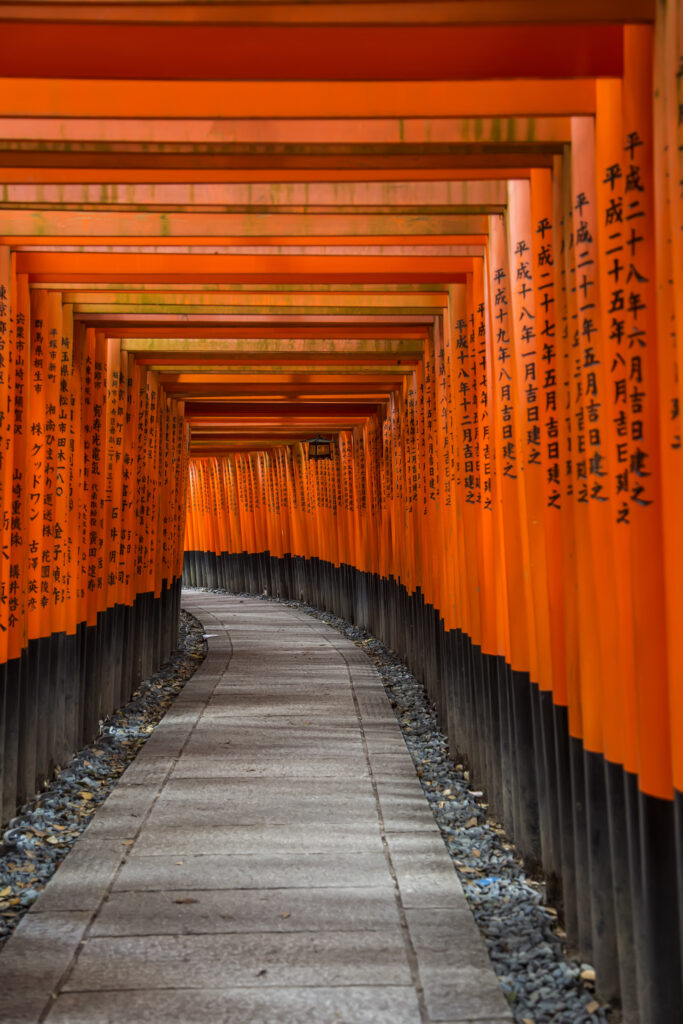
This tour is a brilliant option if you want to combine two of the most iconic stops in the Kyoto and Nara region into a single well-organized day. Nara is only 35 minutes from Kyoto and offers a completely different atmosphere from anywhere else on your Japan itinerary. A guide takes you through the legendary tunnel of vermilion torii gates at Fushimi Inari, then on to Nara where over 1,400 wild sika deer roam freely through the park, approaching visitors and bowing politely to request deer crackers.
- Fushimi Inari Taisha: the world-famous tunnel of thousands of vermilion torii gates donated by worshippers over centuries, completely free to enter
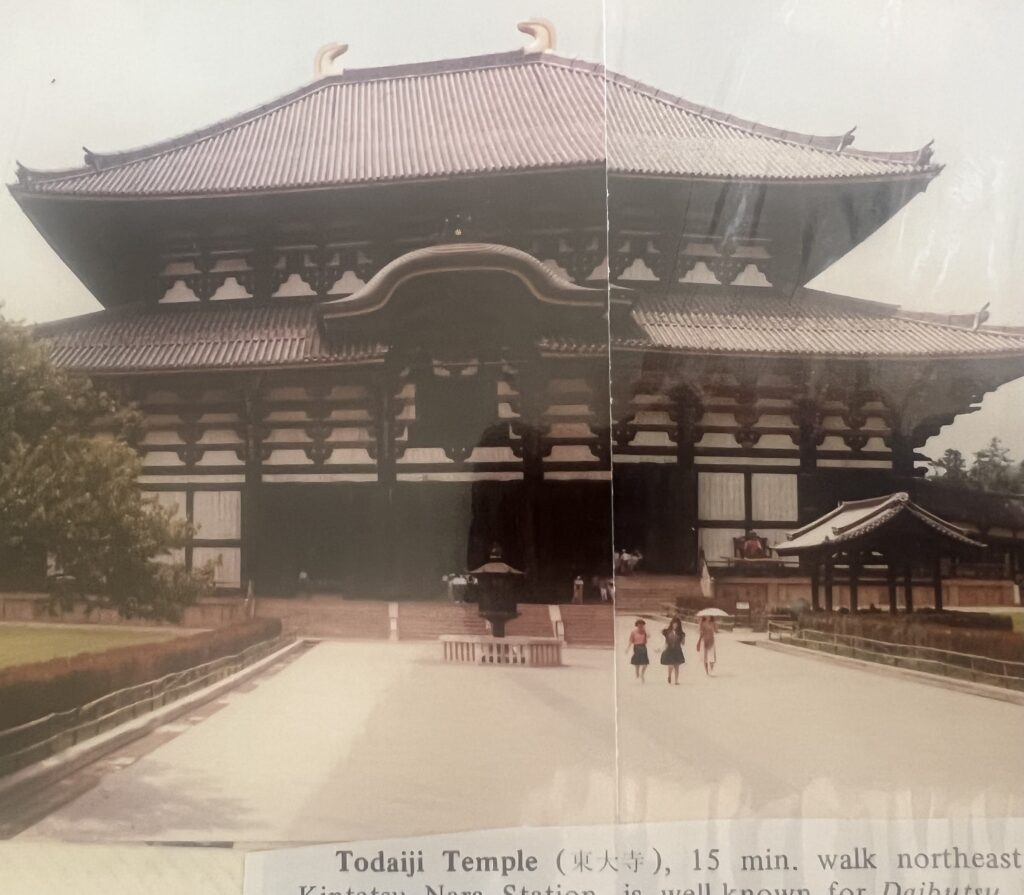
- Todai-ji Temple: the largest wooden building in the world, housing Japan’s largest bronze Buddha statue whose scale genuinely shocks you the moment you step inside. Photographs simply cannot prepare you for it.
- The wooden pillar inside Todai-ji has a small opening at its base said to be the same size as the Buddha’s nostril. Squeezing through supposedly grants enlightenment in your next life. Worth attempting purely for the story.
- Kasuga Grand Shrine: a 1,300-year-old shrine with over 3,000 lanterns in its grounds, the largest collection of any shrine in Japan
Best for: First-time visitors who want to experience both Fushimi Inari and Nara’s highlights in one day without planning two separate trips
This tour covers significant ground. Wear comfortable walking shoes and arrive ready to move.
Here are two photos from my scrapbook from about 30 years ago when I visited Nara and the Todaiji Temple. It’s exactly the same today!

Day 8: Higashiyama, Kiyomizu-dera Temple, and Nishiki Market
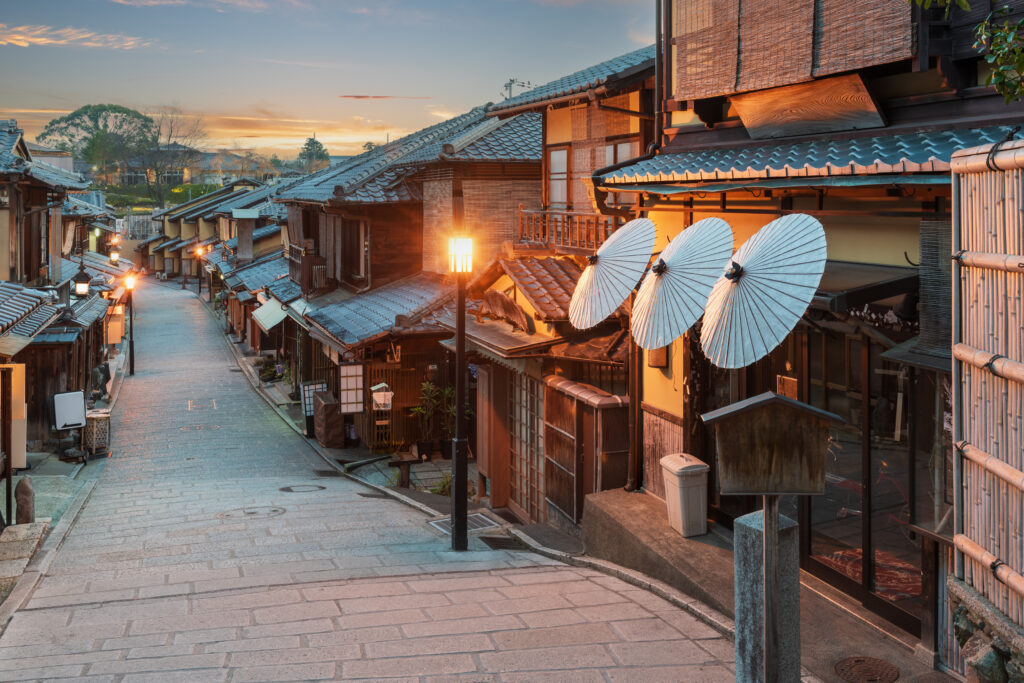
Day 8 is your most leisurely Kyoto day and one of the most beautiful. Higashiyama is the historic district that leads directly up to Kiyomizu-dera Temple, so the morning unfolds as one continuous walk through some of the most photogenic streets in all of Japan.
Kyoto Higashiyama Walking Private Tour
This private tour is the best way to experience Higashiyama properly. Limited to just 6 guests, your local guide walks you through hidden stone alleys, preserved teahouse streets, and iconic landmarks that most visitors rush past without truly understanding.
Highlights along the route include Hanamikoji Street in Gion, the hidden Ishibe-koji alley, Yasaka Pagoda, the stone-paved lanes of Sannenzaka and Ninenzaka, and Kiyomizu-dera Temple with its famous wooden stage and panoramic views over Kyoto.
- Small group of 6 guests for a relaxed and personal experience
- Local guide shares stories and hidden gems throughout
- Ends with restaurant and shopping tips for the rest of the day
Best for: Anyone who wants to understand Higashiyama rather than just walk through it
Afternoon: Nishiki Market
Known as Kyoto’s Kitchen, this 400-meter covered market has been operating since 1615. Sample fresh yatsuhashi, grilled skewers, matcha sweets, and handmade yuba as you browse over 100 specialty vendors. It is the perfect afternoon wind-down before dinner.
Optional: Philosopher’s Path
This peaceful 2-kilometer stone walkway follows a canal through the Higashiyama foothills, lined with hundreds of cherry trees and dotted with small hidden temples that most visitors never find. It runs between Ginkaku-ji (the Silver Pavilion) in the north and the grand Nanzen-ji Temple complex in the south, both worth a stop at either end.
During cherry blossom season it is one of the most breathtaking walks in all of Japan. Outside of spring it is simply quiet, beautiful, and a perfect contrast to the busier tourist streets of Higashiyama.
It is best suited for travelers who want a slow, reflective morning rather than another packed sightseeing stop. For families with adult kids it works beautifully as a gentle start to Day 8 before the Higashiyama walking tour begins.
Days 9 to 10: Osaka to Close Out Your Japan Itinerary 10 Days
If Tokyo is Japan’s most exciting city and Kyoto its most beautiful, Osaka is its most delicious. Osaka is Japan’s food capital, and no Japan travel guide is complete without giving it proper time. The energy here feels looser and more playful than either of the cities you have just come from, and the warmth of the people is something you feel immediately.
Where to Stay in Osaka: The Lively Osaka Honmachi
We loved this hotel and would stay there again. What won us over immediately was the lobby cafe, which has a cool, modern energy that makes you want to linger over coffee before heading out for the day. It feels more like a stylish neighborhood cafe that happens to have rooms upstairs than a typical hotel lobby.
Rooms are comfortable and well-equipped with city views, refrigerator, free WiFi, and private bathrooms. The French restaurant serves breakfast through dinner with continental, vegetarian, vegan, and gluten-free options, and the sun terrace and outdoor fireplace are perfect for winding down in the evening.
The location is ideal. Shinsaibashi Station is just a short walk away, putting Dotonbori, shopping, and the rest of the city within easy reach.
- Modern design with a lobby cafe that actually draws you in
- Full breakfast menu including vegetarian and gluten-free options
- Sun terrace and outdoor fireplace for relaxed evenings
Best for: Families with adult kids and anyone who appreciates a design-forward hotel with a genuine neighborhood feel
First Impressions of Osaka
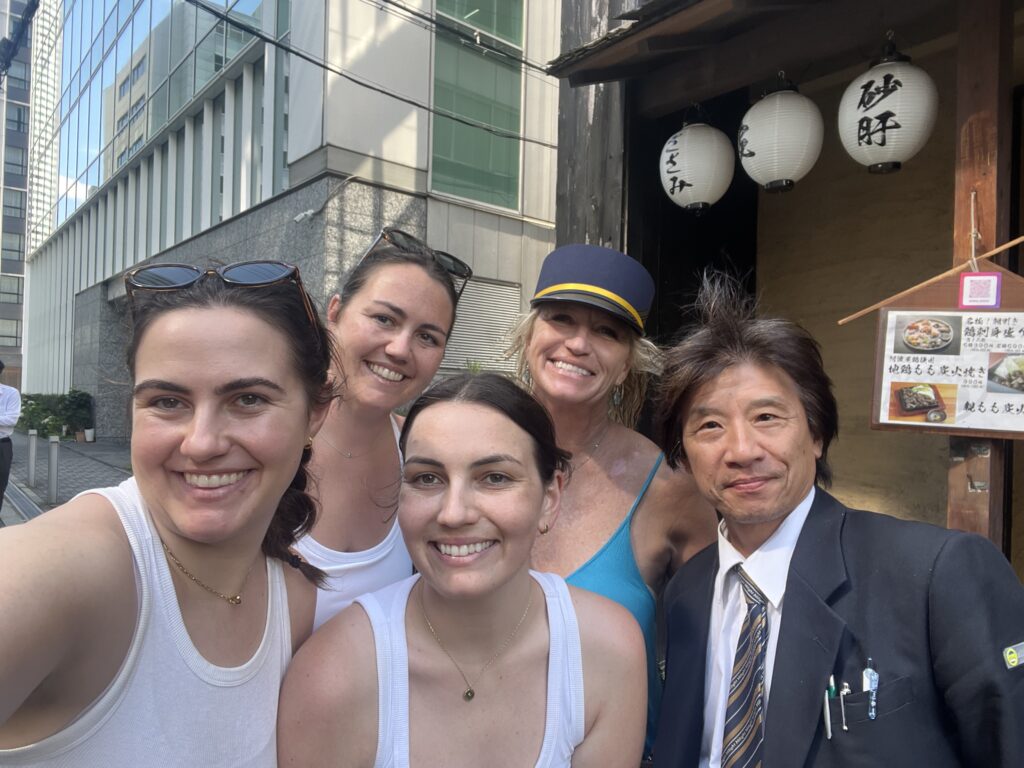
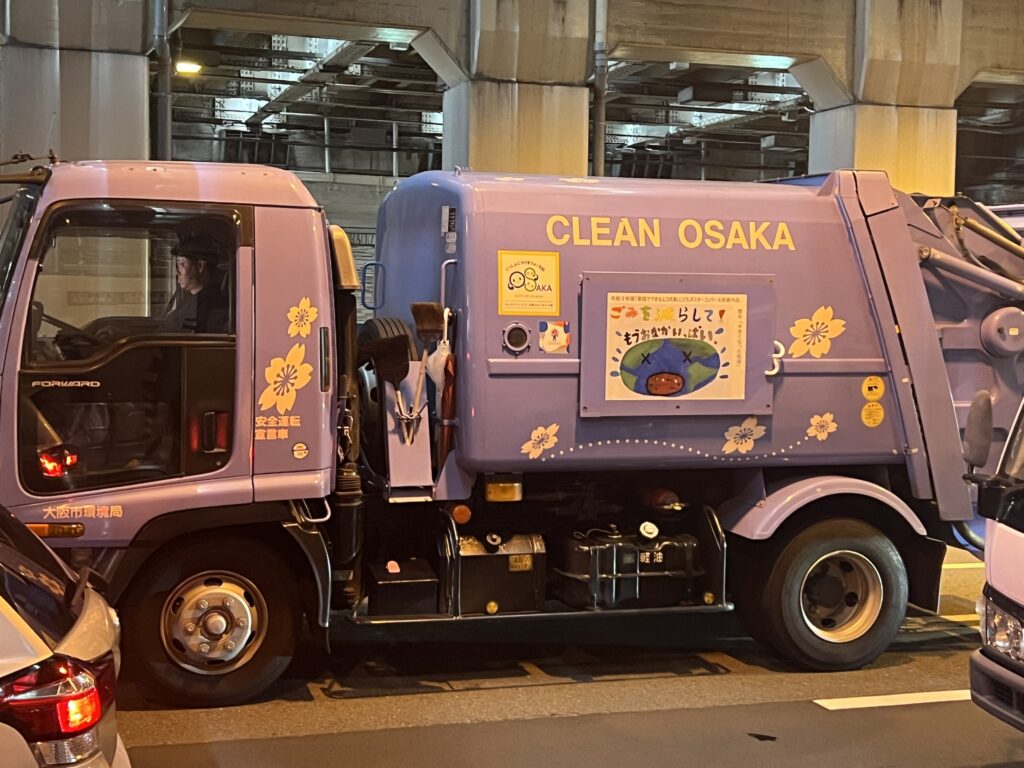
Osaka surprised us in the best way. After the spiritual calm of Kyoto, the city hits you with a completely different energy. It’s warmer, louder, and more joyful. Like everywhere in Japan, the people are extraordinarily kind and the streets are immaculately clean, but Osaka people have a friendliness that feels particularly open and easy.
Our Uber driver summed it up perfectly. He was playing fun 80s music when we got in, which immediately sparked a conversation, and by the end of the ride we were all taking photos together outside the car. That kind of spontaneous, joyful interaction happened more in Osaka than anywhere else on the trip.
Why Osaka Is Japan’s Food Capital
Osaka has a saying: kuidaore, which means “eat until you drop.” It is not just a motto, it is a way of life. Locals debate for hours about which takoyaki stand is best. Restaurants are judged to a standard that would make chefs in other cities nervous. The food culture here runs deep, runs proud, and runs delicious.
The dishes you must try:
- Takoyaki: octopus-filled dough balls topped with bonito flakes, mayo, and sweet savory sauce. The defining Osaka street food.
- Kushikatsu: deep-fried skewers of meat and vegetables with a communal dipping sauce. The golden rule: no double dipping.
- Okonomiyaki: a savory Japanese pancake loaded with cabbage, meat, and seafood. Osaka style is unlike any other regional version.
- Gyoza: crispy pan-fried dumplings that Osaka does particularly well.
Get the Osaka Amazing Pass Before You Arrive
The Osaka Amazing Pass on Klook is worth buying even if you only do a handful of activities. The math works out quickly.
The Umeda Sky Building observation deck alone is worth the trip. The modern escalator that carries you up through the open-air atrium is an experience in itself, and the panoramic views of Osaka from the top are genuinely breathtaking. That one attraction already justifies a significant portion of the pass price.
Add the Tombori River Cruise and the pass has essentially paid for itself after just two stops. The cruise gives you a completely different perspective on Dotonbori, floating directly beneath the famous Glico Running Man and the neon signs from an angle you simply cannot get from the walking bridges above. Energetic guides keep the energy high throughout the 20-minute ride.
A note on the cruise without the pass: it is generally not recommended at full standalone price since the route is short and commentary is largely in Japanese. But included with the Osaka Amazing Pass it becomes one of the most enjoyable stops of the day.
Everything else the pass covers after those two activities is essentially free.
Day 9: Osaka Castle, Dotonbori, and the Food Tour
Morning: Osaka Castle
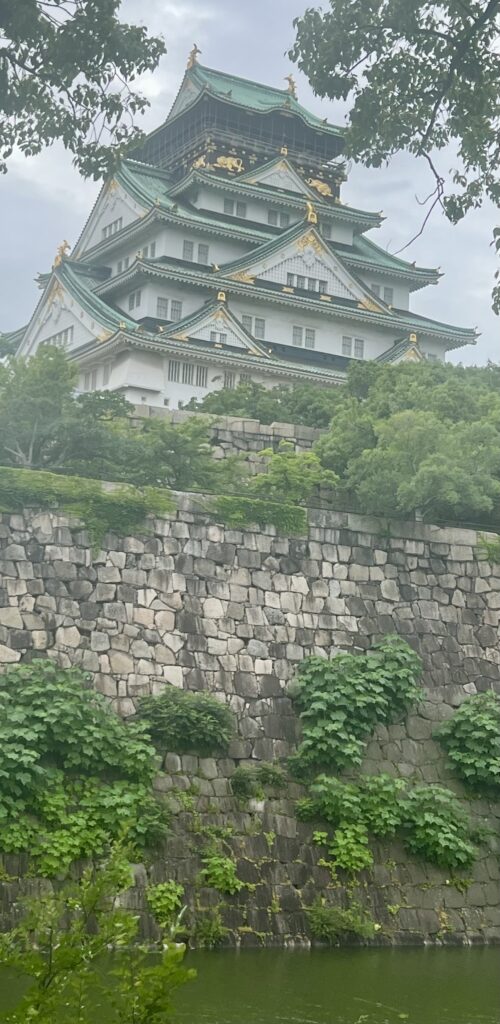
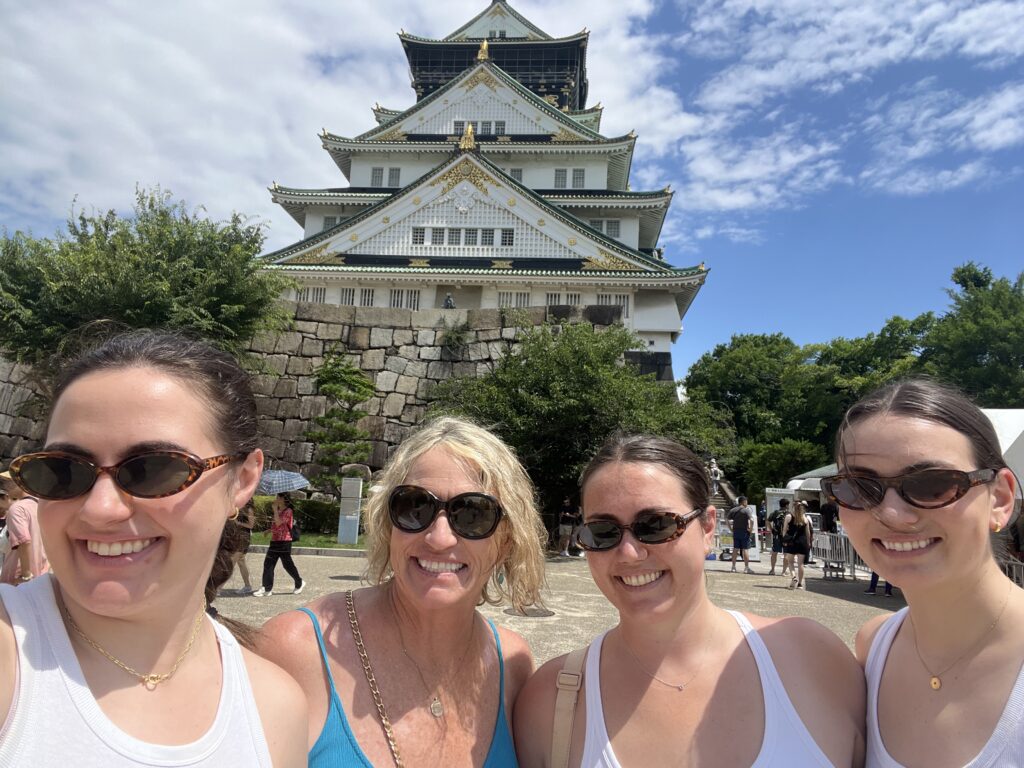
Start Day 9 at Osaka Castle, one of Japan’s most recognizable historic landmarks and a must on any 10 days in Japan itinerary. The original castle was built in 1583 by the warlord Toyotomi Hideyoshi and played a central role in the unification of Japan.
- The castle tower offers panoramic views of the city from the top floor
- The surrounding Nishinomaru Garden is one of Osaka’s best cherry blossom spots in spring
- The castle museum inside covers Japanese history from the Sengoku period through unification
Best for: History lovers who want to understand Osaka’s role in Japanese history before spending the rest of the day eating their way through the city
Afternoon: Dotonbori
Dotonbori is Osaka’s most famous entertainment and dining district and one of the most memorable stops on any Japan itinerary of 10 days. It is a canal-side stretch of neon signs, giant mechanical crabs, and restaurants that have been competing for your attention since the 18th century. Walking through it for the first time is a sensory experience that is genuinely hard to describe.
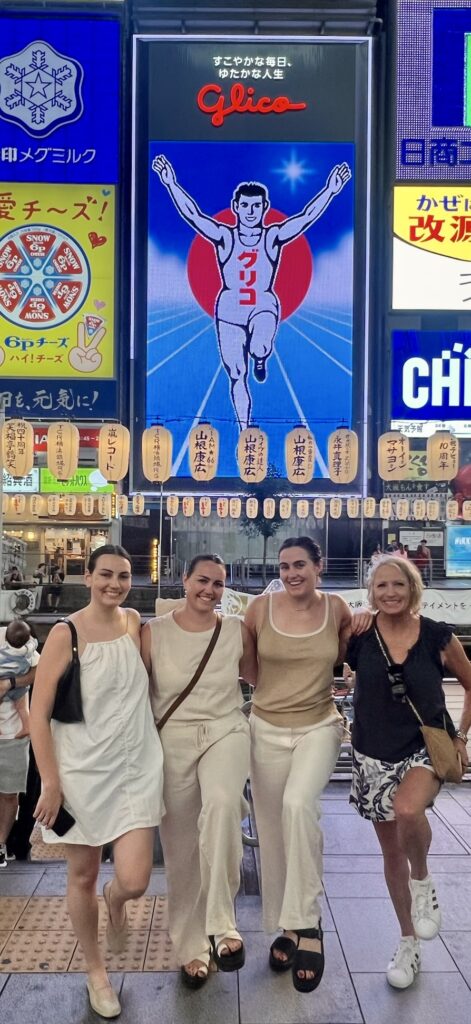
Dotonbori delivered on every level. The energy is electric, the snacking is non-stop, and by the time we sat down for dinner at a teppanyaki restaurant where the chef cooked right in front of us and the server made a theatrical show of squirting sauce over everything, we were laughing so hard we could barely eat. We laughed the whole Uber ride home too. That dinner is one of my favorite memoriesmk.
Takoyaki
Takoyaki deserves its own mention on any Japan travel guide covering Osaka. These are golf ball-sized dough balls filled with octopus, cooked on a gridded iron pan, and topped with bonito flakes, mayonnaise, and a sweet savory sauce. They arrive piping hot, which is part of the experience, and learning not to burn your mouth takes exactly one takoyaki to figure out.
Trust me, watch this one to the end.
Afternoon: Dotonbori Food Tour
Taking a guided food tour of Dotonbori is one of the best additions you can make to a Japan trip itinerary covering Osaka. A local guide takes you to the spots that look unremarkable from the outside but are beloved by locals, shares the history behind each dish, and handles all the ordering so there is no language barrier to navigate.
- Small group tour with a local guide who knows every vendor and hidden alley
- Covers multiple dishes including takoyaki, okonomiyaki, and kushikatsu
- Takes all the guesswork out of where to eat in a city where every restaurant looks good
Best for: Food lovers, first-time Osaka visitors, and families who want to experience the city through its food culture
“We did the Dotonbori food tour on our first afternoon in Osaka and it completely changed how we understood the city. By the end we felt like locals pointing strangers in the right direction.” — A traveler from the Sake with Susan community
This tour fills up. Reserve your spot before you arrive in Osaka.
Day 10: Final Morning in Osaka and Departure
Day 10 is your last morning in Japan, so keep it loose, enjoyable, and delicious. Osaka sends you off well.
Osaka Station Food Hall
The food hall inside Grand Front Osaka and Daimaru department stores connected to Osaka Station is the single best place in Osaka to pick up omiyage (souvenir) gifts to bring home. Even if you are not hungry, the basement food halls are worth walking through for the sheer artistry of the packaging alone.
- Multiple floors of restaurants, food stalls, and specialty vendors in one connected complex
- Beautifully packaged regional sweets perfect for omiyage gifts
- A great spot to browse and graze even if you have already eaten your way through Dotonbori
If you loved the Ginza depachika in Tokyo, Osaka’s version will surprise you all over again. I wrote about Japan’s incredible department store food halls here:
Also Worth Fitting In
Secondhand Shopping in Amerika-Mura
Osaka has some of the best vintage and secondhand stores in Japan, particularly around the Amerika-Mura neighborhood. Our adult kids made this an absolute priority and found incredible pieces at prices significantly lower than Tokyo. If your group has any interest in vintage fashion or unique finds, set aside an hour here before heading to the station.
Umeda Sky Building Observation Deck
A short walk from Osaka Station, the Umeda Sky Building offers some of the most spectacular panoramic views in all of Osaka. The building’s futuristic design features two towers connected at the top by a floating garden observatory, and the escalator ride up through the open-air atrium is an experience in itself. On a clear day you can see across the entire city and out toward Osaka Bay.
- Included free with the Osaka Amazing Pass
- The escalator ride through the open atrium is genuinely thrilling
- One of the best final views to take away from your Japan itinerary
Best for: Anyone who wants one last sweeping view of Japan before heading to the airport
The Billiken Statue in Shinsekai
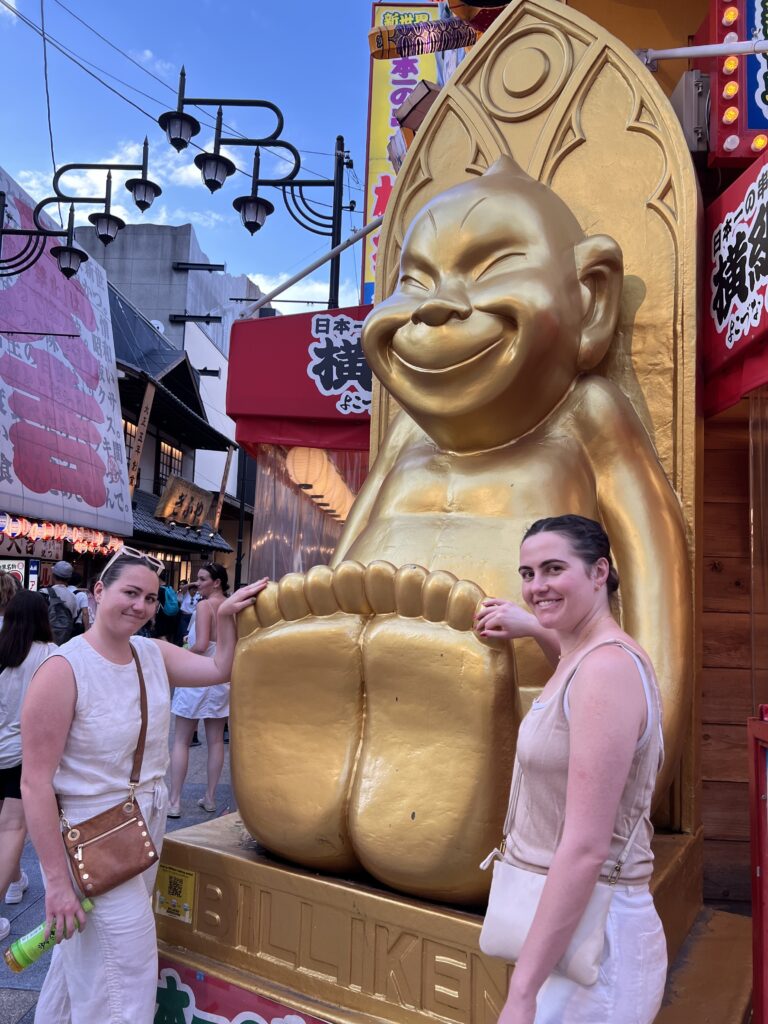
A quirky Osaka lucky charm that has been a beloved city symbol since 1912. Rubbing the feet of this small statue is said to bring good luck. Worth a quick stop if you are in the Shinsekai area on your final morning.
Book Japan’s Luggage Forwarding Service
One final practical tip for closing out your Japan itinerary: use Japan’s luggage forwarding service, called takuhaibin. For roughly 2,000 to 3,000 yen ($12 to $19) per bag, your luggage is picked up from the hotel and delivered directly to the airport.
How to Choose the Right City Split for Your Japan Itinerary 10 Days
Not every Japan trip itinerary needs to follow the same formula. Here is how to adjust the split based on what matters most to your group.
- If you love cities and culture: Keep the 5-3-2 split exactly as outlined. It works for most travelers on a first Japan itinerary.
- If temples and traditional Japan are your priority: Shift to 4-4-2 and use the extra Kyoto day for smaller temples like Ryoan-ji or Daitoku-ji.
- If food is your primary motivation: Shift to 4-2-4 and give Osaka more time. The city rewards extra days on a Japan trip itinerary in a way few destinations do.
- If you have been to Tokyo before: Start in Kyoto, end in Osaka, and spend four days in each. Tokyo will always be there for next time.
- If anyone in your group has mobility considerations: Build in rest days and fewer temple climbs. Osaka’s flat streets and food culture are ideal for a slower pace.
What to Book Before You Leave Home
Several of these experiences sell out weeks in advance on any popular Japan itinerary. Do not wait until you arrive.
Tokyo
- Klook Pass Greater Tokyo — book on Klook worth it if you take advantage of max attractions
- Shibuya Sky observation deck tickets — book on Klook for a 10% lounge discount
- teamLab Borderless Tokyo — included in the Klook Pass Greater Tokyo, so do not buy it separately if you have already purchased the pass. This attraction sells out weeks in advance.
- Book teamLab Borderless Tokyo on Viator (includes 24 Hour Subway Ticket)
- Get the Klook Pass Greater Tokyo on Klook
- Mt. Fuji and Hakone day trip — book on Viator, fills during peak season
Kyoto
- Genji Kyoto Hotel — reserve on Booking.com
- Kyoto Bamboo Forest and Golden Pavilion E-Bike Tour] — book on Viator
- Kyoto 5-Star Geisha Night Walk in Gion — book on Viator
- Fushimi Inari and Nara Highlights Walking Tour — book on Viator
Osaka
- The Lively Hotel — reserve on Booking.com
- Osaka Amazing Pass — book on Klook
- Osaka Castle — [Included in the Osaka Amazing Pass-book on Klook
- Dotonbori food tour in Osaka — book on Viator
Luggage Forwarding Service
Transportation
- Shinkansen (bullet train) tickets between cities — book through Klook
Essential Japan Travel Tips for 10 Days
Get a SIM card or pocket WiFi at the airport
Pick up a Japan eSIM before you leave home through Airalo. Google Maps works perfectly in Japan and is essential for navigating the train network and finding neighborhoods on your Japan trip itinerary. Without data you will struggle more than you expect.
Buy a Suica or Icoca IC card
Download the Suica App on your iPhone or purchase one at any train station, load it with cash, and tap in and out at every gate. The system calculates the correct fare automatically. These cards also work at convenience stores and vending machines throughout Japan.
Do not underestimate Japanese convenience stores
Konbini (convenience stores) in Japan are extraordinary. Fresh onigiri, hot foods, excellent coffee, and packaged meals far better than anything comparable at home. Do not be too proud to eat from 7-Eleven on your Japan itinerary. Your daughters will thank you.
Do not tip
Tipping is not practiced in Japan and in some cases causes mild confusion. Excellent service is simply the standard, not something that requires additional compensation.
Carry cash
Japan is increasingly card-friendly but many smaller restaurants, temples, and markets on a 10 days in Japan itinerary are still cash only. Carry at least 10,000 yen at all times and use 7-Eleven ATMs, which reliably accept foreign cards.
Japan Itinerary 10 Days: Budget Overview
| Category | Budget Per Person Per Day | Notes |
|---|---|---|
| Accommodation | $80 to $200 | Wide range depending on hotel type |
| Food | $40 to $80 | Konbini meals to mid-range restaurants |
| Transportation | $20 to $40 | Trains, subway, occasional taxi |
| Attractions and tours | $30 to $80 | Temples average $3 to $5 each |
| Shopping and incidentals | $20 to $100 | Highly variable |
| Daily total | $190 to $500 | Per person, excluding flights |
The current dollar-to-yen exchange rate makes this Japan trip itinerary significantly more affordable than in recent years. Budget travelers can do 10 days in Japan very comfortably at the lower end of this range.
For a complete breakdown of what a Japan itinerary of 10 days actually costs including flights, hotels, food, and experiences with real numbers from our trip:
[Read the Japan Travel Costs for Families: 2026 Guide and Real Budget Breakdown]
Browse More Japan Travel Resources
If this Japan itinerary has you ready to book your 10 days in Japan, there is a great deal more waiting for you at sakewithsusan.com. Full city guides, hotel recommendations, packing lists, and insider tips built on 30 years of personal Japan travel experience.
- 5-Day Tokyo Itinerary for Families with Adult Kids
- Japan Travel Costs for Families: 2026 Budget Breakdown
- Japan Trip Packing List: What to Pack for Spring and Outfit Ideas
- Japan Trip Essentials
Explore all Japan travel guides at Sake with Susan
Affiliate Disclosure
This article contains affiliate links. If you book or purchase something through one of my links, I may earn a small commission at no extra cost to you. I only recommend experiences and services I have personally visited or thoroughly researched. Thank you for supporting Sake with Susan.
Have you done a 10-day Japan trip or are you in the planning stages? Drop a comment below and tell me which city you are most excited about. I read every single one.
If Japan is on your bucket list, sign up for the Sake with Susan community at sakewithsusan.com for exclusive tips, giveaways, and insider access to the best Japan travel resources.