

Introduction
Planning a Tokyo itinerary with adult kids is one of the most rewarding travel experiences you will ever have. I know this not just as a travel blogger, but as someone who lived in Tokyo in the early 1990s, has returned nearly every year since, and has walked these exact streets with my own three adult daughters.
There is something that happens when you travel with grown kids that simply cannot be replicated. No nap schedules. No picky eaters. Just genuine curiosity, shared discoveries, and the kind of laughter that comes from getting a little lost together in one of the most electric cities on earth.
This 5-day Tokyo travel itinerary was built specifically for families traveling with adult children and for empty nesters who are ready to experience Japan the way it truly deserves to be experienced. Every single stop has been personally visited. Every recommendation comes from real experience, my own and that of friends who have made this trip with their grown kids.
When we planned our family trip to Japan, we spent 5 days in Tokyo, 3 days in Kyoto, and 2 days in Osaka. That felt like the perfect balance. This Tokyo trip guide covers those 5 days in full, so you can stop second-guessing and start booking.
How to Choose What to Prioritize in Your Tokyo Itinerary
Tokyo can feel overwhelming before you arrive. Here is a simple framework to help you think it through before diving into the day-by-day plan.
- Prioritize neighborhoods over single attractions. Each area of Tokyo has its own personality. When you understand a neighborhood, the individual stops inside it start to feel intuitive rather than scattered.
- Mix high-energy days with slower ones. Days 1 and 2 are full and fast-paced. Day 3 is intentionally more relaxed. That rhythm matters more than you think after long days of walking.
- Book anything with timed entry before you leave home. Shibuya Sky, teamLab Borderless, and the Mt. Fuji day trip all sell out, sometimes weeks in advance. Do not wait until you arrive.
- Give your adult kids ownership over one afternoon. Whether that is an extra hour in Akihabara, digging through vintage racks in Shimokitazawa, or lingering in the depachika longer than planned, letting them lead one stretch creates the best memories.
- Pay attention to the yen exchange rate. At the time of writing, the dollar-to-yen rate makes Japan remarkably affordable. That knowledge changes how you shop, where you eat, and where you allow yourself to splurge.
Tokyo Itinerary At a Glance
| Day | Focus | Neighborhoods |
|---|---|---|
| Day 1 | Iconic Tokyo | Harajuku, Shibuya |
| Day 2 | Culture and Pop Culture | Tsukiji, Asakusa, Akihabara |
| Day 3 | Gardens, Ginza, Nightlife | Shinjuku, Ginza, Golden Gai |
| Day 4 | Art and Indie Vibes | Shimokitazawa, Azabudai, Roppongi |
| Day 5 | Day Trip | Mt. Fuji and Hakone |
Day 1: Iconic Tokyo – Harajuku and Shibuya
Route: Meiji Shrine, Yoyogi Park, Takeshita Street, Cat Street, Omotesando, Shibuya, Uobei Sushi, SG Club, Nonbei Yokocho
There is no better way to begin a Tokyo itinerary than with Harajuku and Shibuya. These two neighborhoods sit side by side and deliver two completely different experiences within the same afternoon, calm and forested in the morning, loud and luminous by evening.
Morning: Meiji Shrine and Yoyogi Park
Meiji Shrine
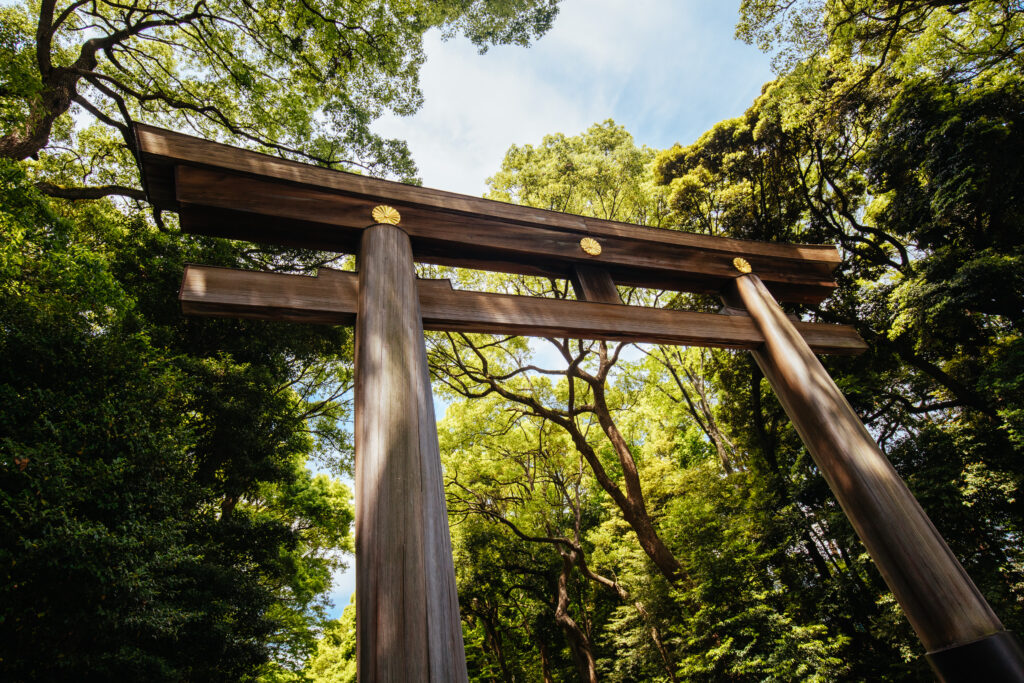
Meiji Shrine is tucked inside a stunning ancient forest just behind Harajuku Station. The gravel path winds through towering cedar trees and feels almost meditative before the energy of the city picks up around you. It is one of the most calming ways to start any day in Tokyo.
- One of Tokyo’s most visited Shinto shrines, with deep historical and cultural significance
- The kazaridaru, or decorative sake barrels near the entrance, are one of the most photographed spots in all of Japan. Sake brewers from across the country donate these barrels annually to honor Emperor Meiji and Empress Shoken — and yes, as the person behind Sake with Susan, I find this one particularly meaningful
- Write a wish on an ema board, a small wooden plaque used at Shinto shrines across Japan, before you leave
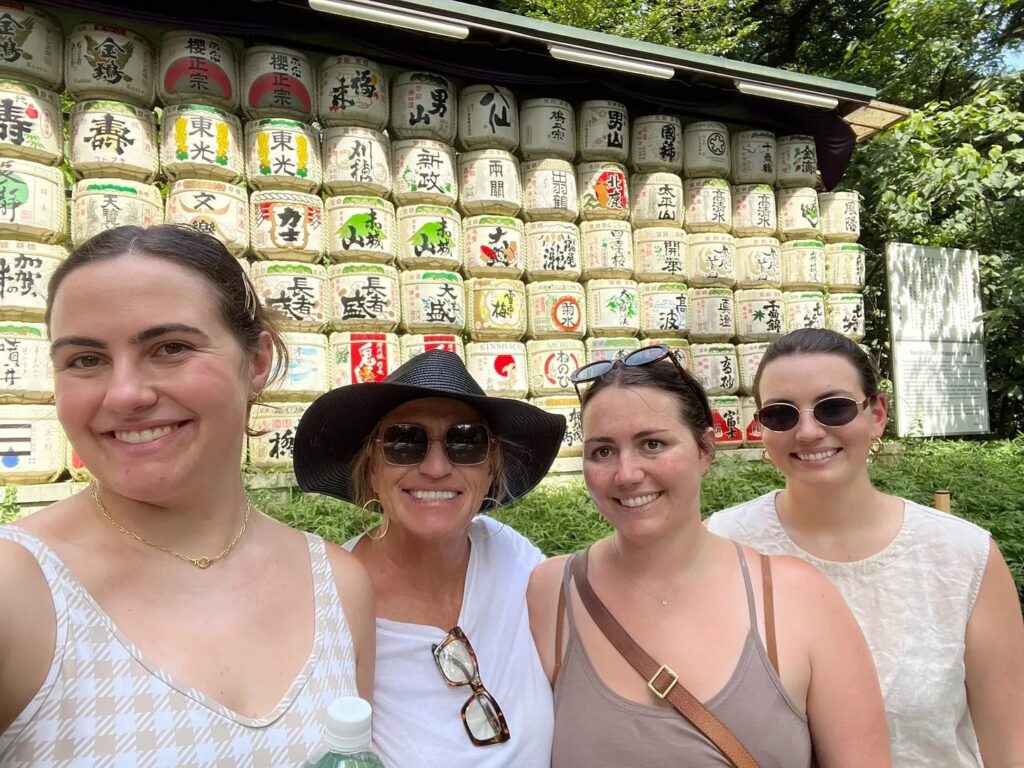
My daughters and me in front of the kazaridaru at Meiji Shrine – this wall of sake barrels is one of my favorite spots in all of Tokyo.
Best for: Anyone who wants a grounding, beautiful start before diving into the city’s energy
Yoyogi Park
A 10-minute walk from the shrine brings you to Yoyogi Park, one of Tokyo’s largest green spaces. On Sundays, rockabilly dancers perform near the Harajuku-mon gates — a Tokyo tradition I have now witnessed across two separate decades. I saw them 30 years ago and stood in almost the same spot on my most recent trip, watching what was probably a completely new generation doing the exact same moves. That kind of continuity is one of the things that makes Tokyo feel so alive.
- Look for mochi vendors inside the park selling sweet rice cakes with a savory soy glaze
- Gluten-free travelers should find Aito Denki Mochiten, just a minute’s walk from the park
- 365 Days Bakery nearby is worth a short detour for fluffy bread and beautifully presented pastries
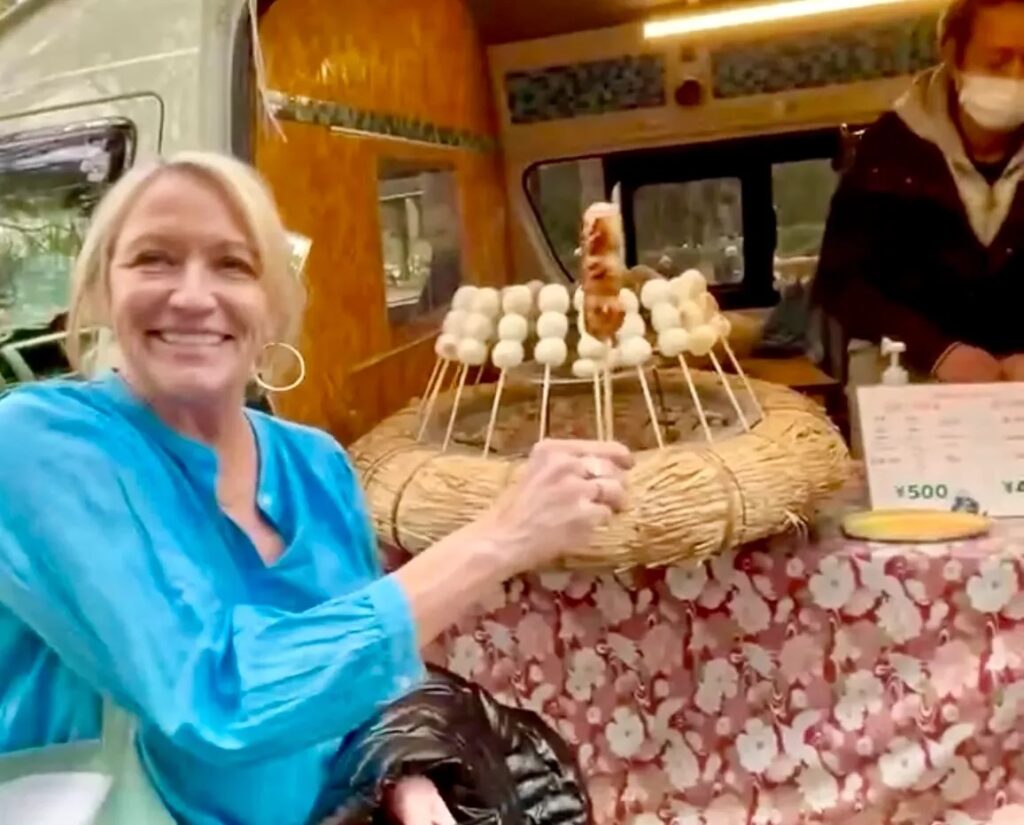
500 yen and one of the best snacks of the trip. The mochi vendor carts in Yoyogi Park are not to be missed.
Takeshita Street
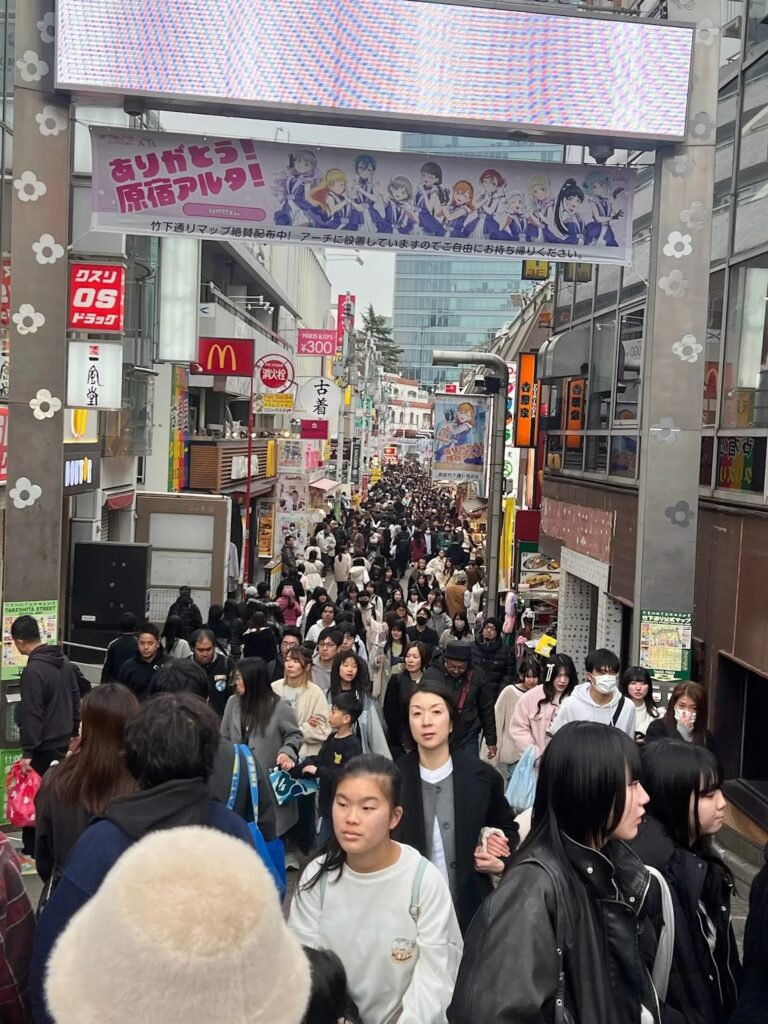
Takeshita Street on a weekend. It is exactly as wild as it looks.
By 11:30 AM, make your way to Takeshita Street. This narrow pedestrian stretch is pure energy — rainbow cotton candy, bold street fashion, crepe shops, and photo booths around every corner.
- Try a crepe at Santa Monica or Marion Crepes
- Stop at Totti Candy Factory for the famous giant rainbow cotton candy
- Duck into a Purikura photo booth for anime-style portraits your kids will still be talking about on the flight home

The Purikura booths do the work for you. Apparently my daughter and I are twins.
The whole street takes about 30 to 40 minutes and moves fast.
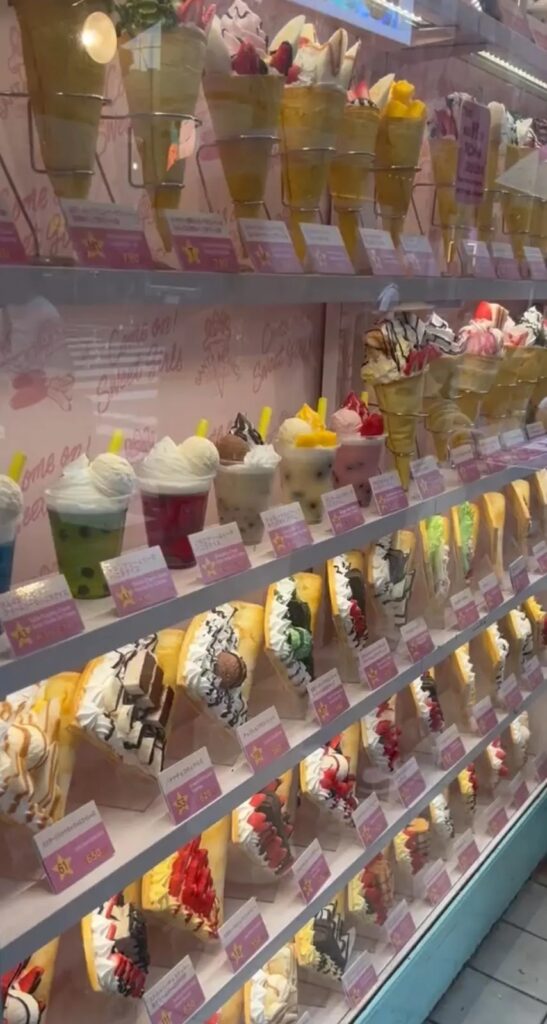
The crepe shops on Takeshita Street are almost too pretty to eat. Almost.
Cat Street and Harajuku Gyozarou
From Takeshita, the energy shifts completely. Cat Street is a quieter, cooler pedestrian alley that meanders toward Shibuya. It feels like the more curated, grown-up side of Harajuku, and it is one of my favorite stretches to walk anywhere in the city.
My daughters’ college friends made us promise we would not miss Harajuku Gyozarou Dumpling Restaurant. We waited 20 minutes to get in. Not one person in our group complained after the first bite.
Tip: If you have animal lovers in the group, Harajuku’s animal cafes are a fun detour. Options include cats, dogs, otters, hedgehogs, capybaras, and more.
Afternoon: Omotesando and Shibuya
Omotesando
By 1:00 PM you will arrive at Omotesando, often called Tokyo’s version of the Champs-Elysees. Take the escalator through the kaleidoscope of mirrors inside Tokyu Plaza Omotesando, then head up to the rooftop garden called The Omohara Forest for a matcha or coffee before continuing toward Shibuya.
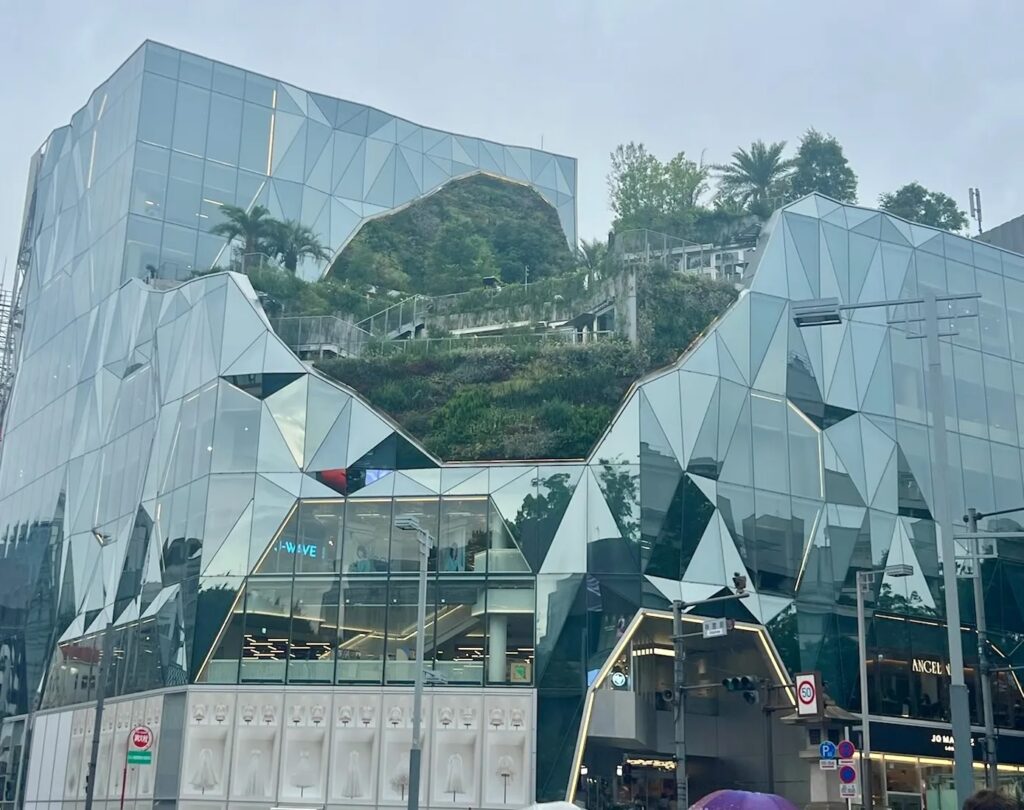
Tokyu Plaza Omotesando Harajuku — take the escalator through the mirrored interior and head straight up to the rooftop garden for a matcha before continuing to Shibuya.
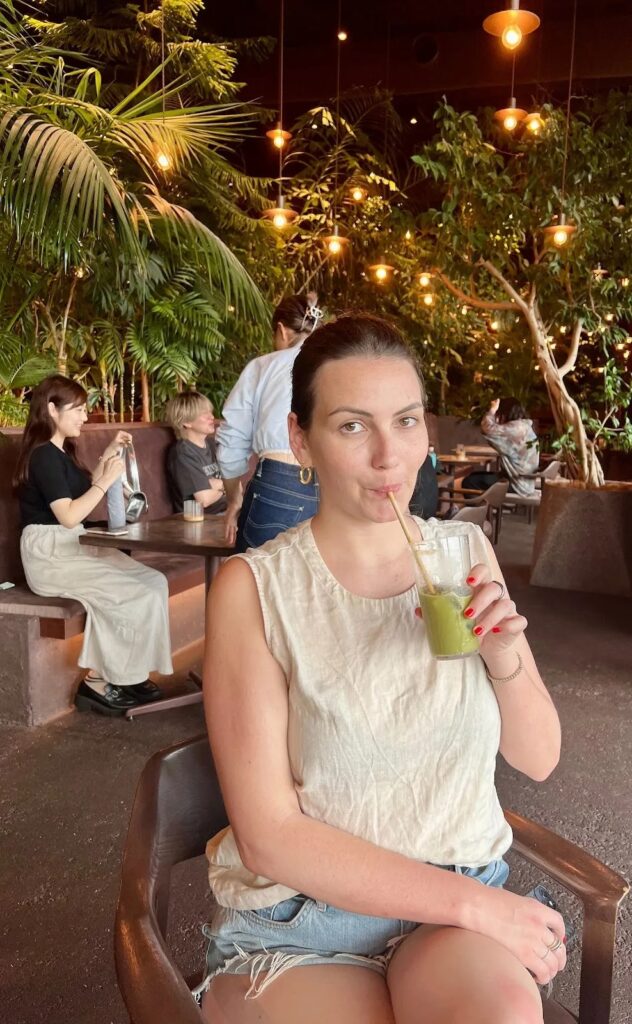
My daughter at The Omohara Forest, the rooftop garden on top of Tokyu Plaza. Order a matcha and stay longer than you planned.
Shibuya Sky
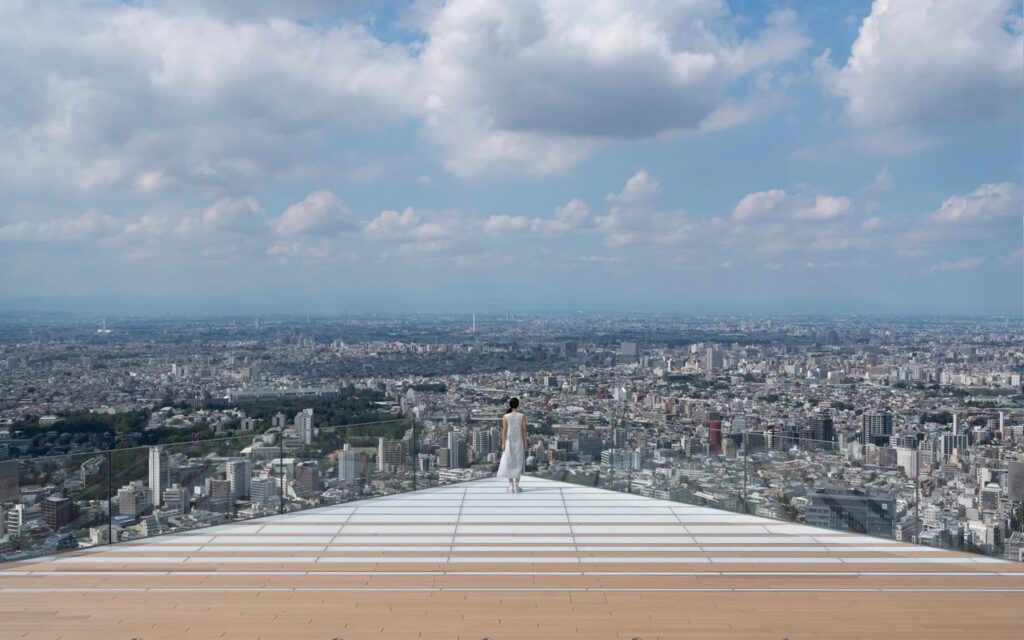
Shibuya Sky is an open-air observation deck perched on top of one of Shibuya’s tallest buildings. The panoramic city views are spectacular, and on a clear day you can see Mount Fuji in the distance. It is one of the most visually stunning spots in the city and genuinely worth the ticket price.
- Open-air deck with 360-degree views of the full Tokyo skyline
- Mount Fuji is visible on clear days, particularly in cooler months
- Timed entry tickets sell out quickly, especially on weekends and during cherry blossom season
Best for: First-time visitors, photography lovers, and families who want that signature Tokyo aerial view
Tickets sell out. Book your Shibuya Sky tickets in advance through Klook Travel, where your voucher also gets you a 10% discount on food and drinks at the lounge.
[Check availability and current pricing for Shibuya Sky on Klook]
Image suggestion: Place after this section
Suggested filename: shibuya-sky-observation-deck-tokyo-japan-view.jpg
Alt text: Panoramic aerial view of Tokyo skyline from Shibuya Sky observation deck Japan
Shibuya Crossing and Beyond
After Shibuya Sky, make your way to the Hachiko Statue outside Shibuya Station — Hachiko was a Japanese Akita dog who waited for his owner at this station every day for over nine years after the owner passed away. Then step into Shibuya Crossing at 3:00 PM, the busiest pedestrian intersection in the world.
Hot tip: The Starbucks on the corner has large windows with a direct view of the crossing. Buy a drink and sit there as long as you want.
Continue through the afternoon with these stops, in whatever order suits your group:
- Shibuya Loft for Japanese stationery, travel gadgets, and gifts
- Tokyu Hands for a DIY and design spin on the same concept
- Shibuya 109 for youthful fashion (loud, bright, and worth a browse even if you are just window shopping)
- Shibuya Parco for the Nintendo store, a Pokemon Center, and indie galleries
- Tower Records Shibuya for music lovers and vinyl collectors
- Miyashita Park rooftop garden to slow down and catch the last of the daylight around 5:05 PM
Evening: Uobei, SG Club, and Nonbei Yokocho
Uobei Shibuya Dogenzaka
Uobei is not a typical sushi restaurant. You order on a touchscreen and your food arrives via miniature shinkansen conveyor trains — sushi, ramen, fried dishes, and desserts, each plate running about $1.50. It is casual, fast, and genuinely fun after a full day on your feet.
- Extremely affordable without sacrificing quality
- Great for groups with different tastes since the menu covers far more than sushi
- No reservation needed, so it is easy to work into your evening
Best for: Families who want a memorable, low-pressure dinner with something for everyone
SG Club
The SG Club is one of Asia’s 50 Best Bars, operating on two levels: the casual Guzzle bar upstairs and a speakeasy-style experience called Sip in the basement. The cocktails are inventive, the atmosphere is unlike anything else in Shibuya, and an evening here feels like a genuine discovery rather than a tourist stop.
- Consistently recognized on Asia’s and the World’s 50 Best Bars lists
- Creative seasonal cocktail pairings in a sophisticated underground setting
- Reservations are essential, especially on weekends
Do not skip booking ahead. This one fills up fast.
[Reserve your table at the SG Club]
End your first evening at Nonbei Yokocho, known as Drunkard’s Alley — a row of tiny bars just steps from Shibuya Station, some fitting only four or five people at a time. It is charming, unhurried, and the perfect way to close out Day 1.
Image suggestion: Place after this section
Suggested filename: nonbei-yokocho-drunkards-alley-shibuya-tokyo-night.jpg
Alt text: Narrow lantern-lit alleyway of tiny bars at Nonbei Yokocho in Shibuya Tokyo Japan at night
Day 2: Tradition Meets Electronics, Anime, and Manga Culture
Route: Tsukiji Market, Asakusa and Senso-ji Temple, Akihabara
Day 2 of this Tokyo travel itinerary is built around contrast. You will start with two of Tokyo’s most culturally rich and historically significant neighborhoods and end in one of the most visually overwhelming, energetic places on earth.
Morning: Tsukiji Market
8:30 AM
Start your morning at Tsukiji, one of the world’s largest and most famous fish markets. Most stalls wind down by 11:00 AM, so arriving early is essential.
- Fresh sushi, grilled seafood, and market snacks at every turn
- A great place to find unique food souvenirs and pantry items you cannot get at home
- Arrive hungry and plan to eat your way through the stalls
Image suggestion: Place here
Suggested filename: tsukiji-market-fresh-sushi-seafood-stalls-tokyo-japan.jpg
Alt text: Fresh sushi and seafood stalls at Tsukiji Market Tokyo Japan early morning
Take the train from Tsukiji Station to Asakusa Station via the Hibiya and Ginza lines (20 to 25 minutes).
Mid-Morning: Asakusa and Senso-ji Temple
10:30 AM
Asakusa is one of the most rewarding stops on any Tokyo itinerary, and Senso-ji Temple is its beating heart. Tokyo’s oldest Buddhist temple has a way of making you feel the full weight of history in a city that otherwise moves so fast.
I have been to Senso-ji Temple multiple times across different decades, and it still stops me in my tracks every visit. Walking through the Kaminarimon Gate with my daughters — watching them look up at that giant red lantern for the first time — was one of those travel moments I will carry with me for a long time.
Begin at the Kaminarimon Gate, where the giant red lantern is impossible to miss, then stroll along Nakamise-dori shopping street. This stretch is lined with traditional snacks like ningyo-yaki (tiny filled cakes), melon pan, and sweet potatoes, alongside souvenir shops worth browsing for gifts.
Past the shopping street, Hozomon Gate and Asakusa Shrine offer a quieter, more spiritual experience that most visitors rush past. Do not be one of them.
- One of Tokyo’s most photogenic and historically significant areas
- Street snacks, traditional crafts, and souvenir shopping all in one stretch
- The surrounding Asakusa neighborhood is ideal for a slow, exploratory morning
Optional Experience: Kimono or Yukata Rental
Renting a kimono or yukata in Asakusa and having it professionally styled, with optional hair and makeup, is one of the most memorable things you can do in Tokyo. The photos in front of Senso-ji Temple are genuinely stunning. This experience books up, particularly during cherry blossom season and summer.
- Professionally styled by local experts in traditional dress
- Hair and makeup services available as an add-on
- One of the most-photographed experiences for families visiting Asakusa
Best for: Families who want a unique, visual, and culturally immersive memory from their Tokyo trip
[Check availability and pricing for Asakusa kimono and yukata rental]
Also worth considering: Sushi Making Class
A highly-rated sushi-making class in the Asakusa area wraps up in under two hours at a very reasonable price. Hands-on, fun, and a skill you will actually use when you get home.
- Learn essential sushi-making techniques from a local instructor
- Finishes in under two hours, keeping your afternoon free
- Reasonable price point with strong reviews
[See current pricing and available class times]
Lunch: Asakusa Menchi for crispy fried meat cutlets, or Daikokuya for some of the best tempura in the neighborhood.
Image suggestion: Place after the temple description
Suggested filename: senso-ji-temple-kaminarimon-gate-asakusa-tokyo-japan-kimono.jpg
Alt text: Senso-ji Temple and giant red lantern at Kaminarimon Gate in Asakusa Tokyo Japan with visitors in kimono
Afternoon: Akihabara Electric Town
1:00 PM
Take the train from Asakusa Station to Akihabara via the Tsukuba Express or Ginza Line and JR Yamanote (10 to 15 minutes).
Akihabara is a full immersion into otaku culture, the subculture built around anime, manga, video games, and Japanese pop culture. Whether your adult kids grew up obsessed with Nintendo or are discovering this world fresh, the energy of Akihabara is impossible not to enjoy.
- Super Potato for retro games and a serious dose of gaming nostalgia
- Yodobashi Camera for electronics, gadgets, and things you did not know you needed
- GiGO and Taito Station arcades for classic and modern arcade games
Maid Cafe Experience
Maid cafes are one of the most uniquely Akihabara experiences you can have. Waitresses in costume serve you as the master or princess of the house, decorate your food with ketchup art, and sometimes perform short songs or dances. Most locations in Akihabara are tourist-friendly with English menus.
- Cover charge of roughly $3 to $6 per person
- Time limits typically run 60 to 90 minutes
- Go in with a sense of humor and you will leave with a story you will be telling for years
Best for: Groups with anime fans, gamers, or anyone who enjoys a peek into subculture and is willing to lean into it
Day 3: Garden Calm, Ginza Chic, and Tokyo Nightlife
Route: Shinjuku Gyoen, Ginza, Golden Gai, Omoide Yokocho
After two full days of fast-paced neighborhoods, Day 3 of this Tokyo trip guide slows down intentionally before picking back up in the evening. It is one of the most varied and satisfying days of the trip.
Morning: Shinjuku Gyoen National Garden
Shinjuku Gyoen National Garden blends Japanese, French, and English landscaping into one of the most beautiful green spaces in the entire city. It is expansive, manicured, and completely peaceful.
- Tokyo’s premier cherry blossom viewing location during spring, drawing visitors from across the world
- Ideal for a slow morning walk with coffee before a full afternoon of shopping and exploring
- The combination of three distinct garden styles in one space is unusual and genuinely lovely
After the garden: Ain Soph. Journey is a beautiful plant-forward cafe nearby with mochi pancakes that are soft, fluffy, and exactly the right kind of indulgent start to the day, particularly for vegetarian travelers.
Afternoon: One Perfect Afternoon in Ginza
If Beverly Hills and Tokyo had a fashion-forward, food-obsessed lovechild, it would be Ginza. Everything here is elegant, clean, and elevated. And right now, thanks to the current dollar-to-yen exchange rate, it is far more accessible than it looks.
One of my travel companions captured it perfectly: “I felt like I was shopping on Rodeo Drive but paying Zara prices.”
Start around noon near Kabukiza Theatre, a stunning historic building where traditional kabuki performances are still held. Even without seeing a show, the rooftop garden and gift shop are worth a visit. Then wander west along Chuo-dori, Ginza’s main shopping avenue, which becomes fully pedestrian on weekends.
Shopping in Ginza
Ginza covers every budget and every taste:
- Luxury: Chanel, Dior, Hermes, Mikimoto, with architecturally stunning flagship stores
- Mid-range: Uniqlo’s multi-level global flagship, Muji, H&M, Zara
- Affordable and fun: GU, a trendy Japanese brand with very low prices and genuinely stylish pieces
We bought so many clothes at such good prices that we had to purchase a second suitcase before heading home. I am not exaggerating.
Hidden Gem: Nora Ginza Salon
On the 4th floor of Mitsukoshi department store, tucked discreetly behind the beauty counters, is Nora Ginza salon. We had a full Kerastase Head Spa treatment and professional blowout for 4,950 yen. That is roughly $33 USD, including tax and tip.
A deeply relaxing scalp massage, shampoo, deep conditioning treatment, and blowout in the heart of Ginza for the price of a casual lunch in Los Angeles. We floated out of there. If you are traveling with daughters or girlfriends, this is the treat-yourself moment of the entire trip.
- Reservation required, and worth making before you leave home
- Located inside Mitsukoshi, one of Japan’s most iconic and beloved department stores
- Serene, stylish, and an extraordinary value by any standard
[Reserve your Nora Ginza appointment before you arrive]
The Depachika: Japan’s Most Spectacular Basement
After your treatment, go downstairs. The basement food halls, called depachika, inside Ginza’s major department stores (Mitsukoshi, Matsuya, and Ginza Six) are genuinely mind-blowing. Think a high-end grocery store, luxury delicatessen, and pastry art gallery all layered into one underground space.
- Wagyu bento boxes, jewel-like sushi trays, and beautifully packaged seasonal sweets
- $100 melons displayed like couture handbags in a glass case
- Sampling is encouraged, and walking through is an experience even if you buy nothing
Image suggestion: Place here
Suggested filename: depachika-basement-food-hall-mitsukoshi-ginza-tokyo-japan.jpg
Alt text: Luxury depachika basement food hall inside Mitsukoshi Ginza department store in Tokyo Japan
Lunch options: Ginza Ukaitei for teppanyaki, Sushi no Midori for relaxed and excellent sushi, or Bills Ginza inside Okura House for ricotta hotcakes and sweeping city views.
After lunch, visit Itoya, a multi-floor stationery wonderland stocked with washi tape, Japanese art papers, travel stamps, and a calm cafe tucked into the upper floor.
End your afternoon at the Ginza Six rooftop garden for open-air greenery, art installations, and sweeping skyline views. It is completely free and consistently overlooked by tourists.
Before heading toward Shinjuku, stop for a cocktail at Bar Orchard Ginza, a stylish speakeasy-style spot known for seasonal fruit cocktails and a genuinely cozy atmosphere.
Evening: Golden Gai and Omoide Yokocho
Shinjuku’s Golden Gai is Tokyo’s most legendary stretch of tiny themed bars. Each one seats just four or five people, looks like a personal creative project, and has its own distinct personality. Tourists are welcome, especially before 9:00 PM.
On the way, stop near the East Exit of Shinjuku Station and look up at the Cross Shinjuku Vision building to find the giant 3D cat billboard, a lifelike calico that appears to leap right out of the curved LED screen. It is free, unexpected, and genuinely impressive.
Image suggestion: Place after the Golden Gai description
Suggested filename: golden-gai-shinjuku-tiny-bars-tokyo-japan-night.jpg
Alt text: Narrow alley of tiny themed bars at Golden Gai in Shinjuku Tokyo Japan at night
Omoide Yokocho, or Memory Lane, is a short walk from Golden Gai and is vintage Tokyo at its most honest. Smoky yakitori stalls, cold beer, and elbow-to-elbow energy under paper lanterns.
The first time I sat down at Omoide Yokocho, I squeezed into a spot at a counter I was not sure had room for me. Within 20 minutes I was sharing a drink with two local salarymen who spoke almost no English and me with almost no Japanese, and we managed to have one of the most enjoyable conversations of the entire trip. I was squeezing fresh orange juice into a glass of shochu, they were impressed by this, and somehow that was enough to become friends for an hour. Sit down even if it feels tight. Tokyo’s best moments often happen exactly like that.
Image suggestion: Place after Omoide Yokocho description
Suggested filename: omoide-yokocho-memory-lane-yakitori-shinjuku-tokyo-japan.jpg
Alt text: Smoky yakitori stalls and red lanterns at Omoide Yokocho Memory Lane in Shinjuku Tokyo Japan
Day 4: Indie Vibes, Art Immersion, and Nighttime Wonder
Route: Shimokitazawa, teamLab Borderless at Azabudai Hills, Roppongi
Morning: Shimokitazawa
Shimokitazawa is one of those neighborhoods that loyal Tokyo travelers guard like a quiet secret. It feels like the Japanese version of Silver Lake or Williamsburg, filled with vintage shops, vinyl records, handmade jewelry, and cozy cafes tucked into unhurried backstreets.
My daughters had been told by friends not to miss it, and they were right. It has the kind of atmosphere where you accidentally spend two hours when you planned for one.
- Flamingo for curated vintage clothing at genuinely good prices
- Village Vanguard for quirky Japanese books, oddities, and gifts you will not find anywhere else
- Le Labo at 3-30-1-1F Kitazawa, Setagaya-ku, for their Fresh Blending service where fragrances are hand-mixed and bottled on-site after you order, with customizable labels and a personal message. My daughters brought home candles with a Tokyo-dated label for their friends. It was one of the most thoughtful souvenirs of the entire trip.
- Bear Pond Espresso for a strong, serious pour-over in a neighborhood coffee shop worth making the walk for
Lunch: Shimokitazawa has excellent soba and ramen scattered throughout the neighborhood. Do not leave Japan without sitting down to a proper bowl of each.
Afternoon: teamLab Borderless at Azabudai Hills
teamLab Borderless is unlike anything you have seen before. It is a fully immersive digital art environment where your entire body becomes part of the artwork. Visitors wander through rooms with no clear boundaries, each one flowing into the next in a way that makes you lose track of time completely.
Walking through teamLab with my daughters was one of the highlights of our entire Japan trip. We went in thinking it would be beautiful but slightly gimmicky. We came out an hour and a half later not wanting to leave. One room had thousands of hanging flowers that responded to our movement. Another had water that sparkled under every step. My youngest sat down in one installation and just stayed there for several minutes, taking it all in. That is the kind of experience this is.
- Timed entry tickets sell out weeks in advance, particularly on weekends and during school holidays
- The experience is fully interactive — download the teamLab app before you arrive to engage more deeply
- Works beautifully for all ages, but particularly resonates with adult kids who appreciate art and design
Tickets sell out well in advance. Book your teamLab Borderless tickets now through Klook to secure your preferred time slot.
[Reserve your teamLab Borderless tickets on Klook]
Image suggestion: Place after this section
Suggested filename: teamlab-borderless-immersive-art-azabudai-hills-tokyo-japan.jpg
Alt text: Glowing immersive digital art installation at teamLab Borderless Azabudai Hills Tokyo Japan
Evening: Roppongi Sunset and Dinner
Since you will already be near Roppongi after teamLab, head directly to the Ritz-Carlton Tokyo Lobby Lounge and Bar on the 45th floor of Midtown Tower for a sunset cocktail. The panoramic views of the Tokyo skyline at golden hour are jaw-dropping. I have sat in that lounge twice in the past year and would go back a third time without hesitation.
For a true splurge: If a once-in-a-lifetime sushi experience is on your list, Sushi Saito is one of Tokyo’s most revered and respected restaurants. Availability is extremely limited and reservations should be made months in advance.
End the evening at Roku Nana, a sleek and stylish craft cocktail bar in the heart of Roppongi’s nightlife scene.
Day 5: Mt. Fuji and Hakone — My Top Tokyo Day Trip Pick
No Tokyo itinerary is truly complete without at least one day outside the city. This Mt. Fuji and Hakone day trip is my top recommendation for a reason. I visited every stop on this tour myself and came back genuinely moved by the experience.
Standing at Hakone Shrine and looking out at the torii gate floating in Lake Ashi with Mount Fuji rising behind it, I understood for the first time why so many people consider this one of the most beautiful views in the world. It is not a picture you get used to. Even the second and third time, it stops you.
This tour is thoughtfully organized so you can sit back, relax, and let your guide handle every detail. It is the perfect combination of sacred shrines, volcanic landscapes, lake views, and old-Japan village charm, all within a single day from Tokyo.
Why this day trip belongs in every Tokyo 5-day itinerary:
- Stunning natural beauty within easy reach of the city
- Once-in-a-lifetime views of Mount Fuji from multiple vantage points
- A deeply peaceful and spiritual contrast to Tokyo’s pace
- Consistently ranked among the best and most popular Tokyo day trips available
This tour sells out, especially during peak season. Book your spot as early as possible.
[Reserve your Mt. Fuji and Hakone day trip here]
Your 6-Stop Mt. Fuji and Hakone Tour
1. Hakone Shrine and Lake Ashi Torii
Start at Hakone Shrine, hidden in a serene forest at the foot of Mount Hakone. The iconic red torii gate appears to float in the still water of Lake Ashi with Mount Fuji rising in the distance behind it. This is one of the most photographed locations in all of Japan, and in person it is more beautiful than any photo can capture.
Image suggestion: Place here
Suggested filename: hakone-shrine-torii-gate-lake-ashi-mount-fuji-japan.jpg
Alt text: Red torii gate reflected in Lake Ashi with Mount Fuji in background at Hakone Shrine Japan
2. Hakone Pirate Ship Cruise on Lake Ashi
A scenic cruise across Lake Ashi on a charming replica pirate ship (1,200 yen per person), with panoramic views of Mount Fuji and the surrounding forested mountains. One of the most genuinely enjoyable moments of the entire day.
3. Hakone Ropeway
Glide over volcanic valleys and steaming vents with sweeping views of Mount Fuji and Lake Ashi below. The landscape looks lunar and completely otherworldly, particularly on a clear morning.
4. Owakudani Volcanic Valley
Owakudani is an active volcanic crater still emitting sulfur steam, and it feels like stepping onto another planet. The famous black eggs are cooked in the volcanic waters here. Local legend says that eating one adds seven years to your life, which made for excellent debate among our group about how many was too many.
5. Yamanakako Shiratorihama (Swan Lake)
A peaceful lakefront stop for walking, fresh mountain air, and quiet reflection. A beautiful and calming contrast to the dramatic volcanic energy of Owakudani.
6. Oshino Hakkai Spring Village
End your day at this picture-perfect village built around eight crystal-clear ponds fed entirely by snowmelt from Mount Fuji. Cobblestone paths, traditional architecture, local street snacks, and Fuji’s reflection in still water. This is old Japan at its most beautiful and unhurried.
Browse More Tokyo Travel Resources
If this Tokyo itinerary has you excited about Japan, there is a great deal more waiting for you at sakewithsusan.com. Neighborhood guides, hotel recommendations for families, packing lists, and everything else you need to plan your trip to Japan with complete confidence.
[Explore all Japan travel guides at Sake with Susan]
What to Book Before You Leave Home
Several of these sell out weeks in advance. Do not wait until you arrive in Tokyo.
- Shibuya Sky observation deck tickets — book on Klook for a 10% lounge discount
- SG Club dinner reservation — one of Asia’s 50 Best Bars, fills fast on weekends
- Kimono and yukata rental in Asakusa — especially important during cherry blossom season
- Nora Ginza salon appointment — make this before you fly
- teamLab Borderless timed entry — books out weeks ahead, no exceptions
- Mt. Fuji and Hakone day trip — one of the most popular day trips from Tokyo
Alternative Activities Worth Adding to Your Tokyo Trip Guide
If your group has specific interests or you want to extend your time in the city, these are worth considering:
- Sumo Show: Watch former sumo wrestlers compete up close while enjoying an all-you-can-eat traditional Japanese meal, including chicken hotpot. An unforgettable experience that most tourists overlook entirely.
- Tokyo Disneyland and Tokyo DisneySea: DisneySea in particular is widely considered the most beautifully designed Disney park in the world. Worth at least a half-day if your group has any interest.
Image File Naming and Alt Text Guide
Before uploading any photos to WordPress, rename your image files using descriptive, SEO-friendly names.
| Section | Suggested Filename | Alt Text |
|---|---|---|
| Cover image | tokyo-itinerary-family-adult-kids-japan.jpg | Family of adult women walking through Senso-ji Temple in Asakusa Tokyo Japan |
| Meiji Shrine | meiji-shrine-cedar-path-harajuku-tokyo-japan.jpg | Cedar tree path leading to Meiji Shrine in Harajuku Tokyo Japan |
| Sake barrels | meiji-shrine-sake-barrels-harajuku-tokyo-japan.jpg | Decorative sake barrels at Meiji Jingu Shrine Harajuku Tokyo Japan |
| Senso-ji Temple | senso-ji-temple-kaminarimon-gate-asakusa-tokyo-kimono.jpg | Senso-ji Temple and giant red lantern at Kaminarimon Gate Asakusa Tokyo Japan |
| Tsukiji Market | tsukiji-market-fresh-sushi-seafood-stalls-tokyo-japan.jpg | Fresh sushi and seafood stalls at Tsukiji Market Tokyo Japan early morning |
| Shibuya Sky | shibuya-sky-observation-deck-tokyo-japan-view.jpg | Panoramic aerial view of Tokyo skyline from Shibuya Sky observation deck |
| Ginza depachika | depachika-basement-food-hall-mitsukoshi-ginza-tokyo.jpg | Luxury depachika basement food hall inside Mitsukoshi Ginza department store Tokyo |
| teamLab | teamlab-borderless-immersive-art-azabudai-hills-tokyo.jpg | Glowing immersive digital art installation at teamLab Borderless Azabudai Hills Tokyo |
| Hakone torii | hakone-shrine-torii-gate-lake-ashi-mount-fuji-japan.jpg | Red torii gate reflected in Lake Ashi with Mount Fuji in background at Hakone Shrine |
| Golden Gai | golden-gai-shinjuku-tiny-bars-tokyo-japan-night.jpg | Narrow alley of tiny themed bars at Golden Gai in Shinjuku Tokyo Japan at night |
| Omoide Yokocho | omoide-yokocho-memory-lane-yakitori-shinjuku-tokyo.jpg | Smoky yakitori stalls and red lanterns at Omoide Yokocho Memory Lane Shinjuku Tokyo |
Affiliate Disclosure
This article contains affiliate links. If you book or purchase something through one of my links, I may earn a small commission at no extra cost to you. I only recommend experiences and services I have personally visited or thoroughly vetted. Thank you for supporting Sake with Susan.
Have you traveled to Tokyo with your adult kids? What was your favorite moment from the trip? Drop a comment below. I read every single one.
If Japan is on your bucket list, sign up for the Sake with Susan community at sakewithsusan.com for exclusive tips, giveaways, and insider access to the best Japan travel resources. Sign-up boxes are at the bottom of every page on the site.