
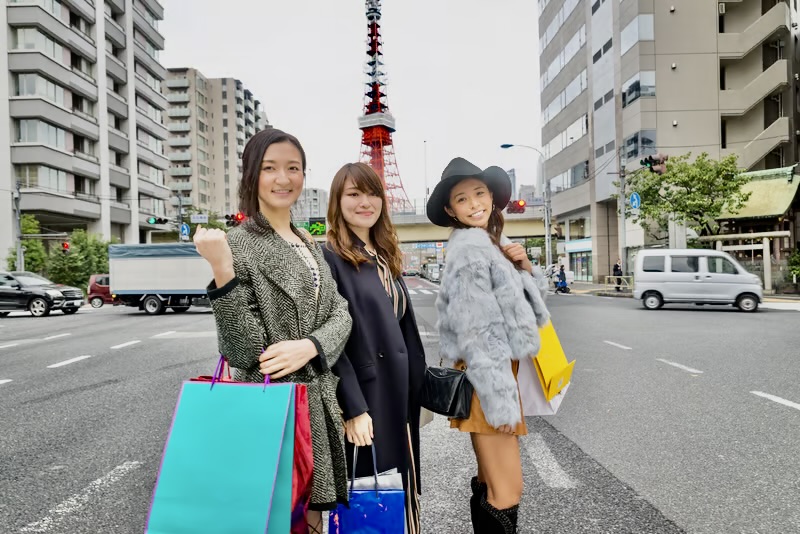

What to Budget, Where to Splurge, and How to Plan with Confidence
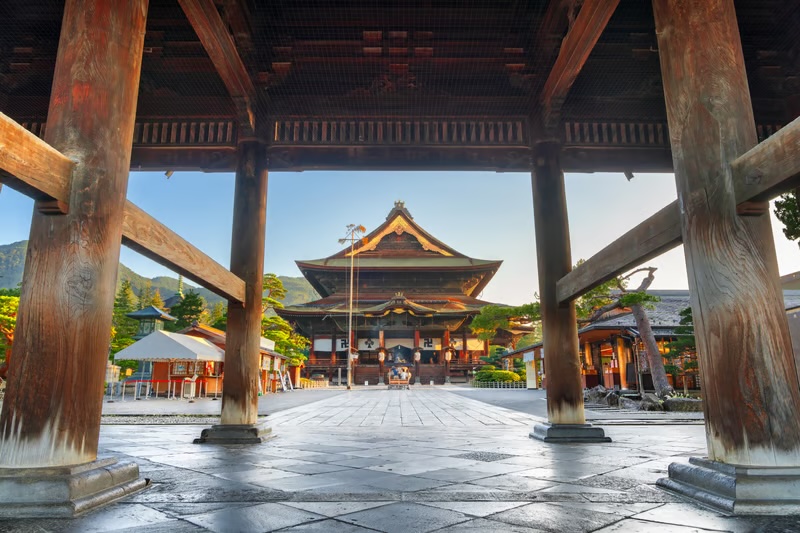
Planning Japan travel costs for families in 2026 does not have to feel overwhelming. Whether you are traveling with adult children, an empty nester couple, or a multigenerational group, Japan is genuinely one of the most rewarding destinations in the world. And at a time when airline tickets are getting more expensive, it is also one of the best-value destinations you can visit right now. Once you arrive, everyday costs for food, transportation, and experiences are noticeably lower than they used to be and often more affordable than traveling in the United States or much of Europe. Combined with the weaker yen, Japan is far more accessible than most people expect.
I lived in Japan for three years in the early 1990s, working in Tokyo before teaching English there. I have returned multiple times with my husband and grown daughters.
That combination of insider knowledge and recent firsthand experience shapes everything I share here. I know which splurges are worth every yen, and which expenses you can cut without feeling like you missed anything.
This guide gives you real numbers for a comfortable two-week trip, breaks down where your money actually goes, and helps you make confident decisions at every stage of planning.
“I spent weeks going down rabbit holes trying to figure out what Japan would actually cost us. Every site gave different numbers and I had no idea what was realistic for a family that likes to travel well. Susan’s breakdown was the first thing that made me feel like I actually knew what I was doing. We ended up spending almost exactly what she projected and we didn’t sacrifice a thing.” — Deborah M., empty nester from Colorado, traveled with husband and two adult daughters
Essential Travel Tools That Affect Your Japan Budget
Before diving into the numbers, these are the tools I use on every trip. Each one either saves money, reduces stress, or both.
Stay Connected: Japan eSIM (Airalo)
A simple, stress-free way to stay connected the moment you land. No SIM swapping, no hunting for kiosks, and no confusion after a long flight.
- Activates instantly on arrival
- Affordable data plans for 1–2 weeks
- No physical SIM required
Best for: Travelers who want immediate, hassle-free connectivity
👉 Check availability and pricing for Airalo
Use a Suica Card
A prepaid transit card that makes getting around Japan incredibly easy. You simply tap in and out of trains, buses, and even convenience stores.
- Works across most trains and buses in Japan
- Accepted at shops, vending machines, and restaurants
- Eliminates the need to buy individual tickets
Best for: Families making multiple daily transit trips
👉 Get your digital Suica card before arrival
Private Airport Transfer
After a long international flight, this is one of the few splurges that is absolutely worth it. You skip the stress and go straight to your hotel.
- Door-to-door service from airport to hotel
- No navigating train stations with luggage
- Ideal for late-night arrivals
Best for: Families with luggage or first-time visitors
👉 Check availability for Haneda airport transfers
👉 Check availability for Narita airport transfers
Travel Insurance (World Nomads)
Reliable travel insurance that gives you peace of mind while traveling internationally. This is the one I personally use for Japan trips.
- Covers medical emergencies and trip interruptions
- Easy online claims process
- Designed for international travelers
Best for: Anyone traveling internationally
Get a travel insurance quote
Travel tip: Sign up for fare alerts and keep your dates flexible to catch lower prices.
Hidden gem: Look for seasonal local festivals in smaller towns—they’re free and unforgettable.
Japan Travel Costs for Families: What You Can Expect in 2026
How Much Does a Trip to Japan Cost in 2026?

For a two-week trip, here is what most families actually spend per person, excluding international flights:
- Mid-range: $2,500 to $4,000
- Upper-comfort: $4,000 to $7,500
- Typical comfortable trip: $3,000 to $6,500
Insider tip: Build a 5 to 10 percent cushion into your budget for spontaneous splurges.
A kaiseki dinner you did not plan. A beautiful piece of lacquerware at a market. An extra night in a ryokan.
These are the moments you will talk about for years.
Where Your Budget Goes: A Typical Family Breakdown
- Accommodation: 40 to 50 percent
- Food and dining: 20 to 25 percent
- Transportation (bullet trains, local transit, transfers): 12 to 20 percent
- Experiences and tours: 10 to 18 percent
- Shopping and extras: 5 to 10 percent
Accommodation is consistently the largest single expense.
This is why hotel choices have the biggest impact on your overall budget.
Accommodation in Japan: What Hotels Actually Cost

For most families, accommodation is 40 to 50 percent of the total trip cost.
The good news is that Japan has an incredible range of options across every budget.
Choosing the right one can completely elevate your experience.
Hotel Price Ranges in Japan
- Mid-range hotels: $80 to $180 per night
- 4-star hotels: $180 to $350 per night
- Luxury hotels: $350 to $700+ per night
- Ryokan stays: $250 to $600+ per night, often including dinner and breakfast
If you want a shortcut to the exact hotels I recommend after years of traveling to Japan with my family, start here.
- Well-located near major train stations like Shinjuku and Shibuya
- Rooms that actually work for families (not just couples)
- A mix of mid-range luxury and high-value stays
Best for: Families who want a smooth, comfortable trip without second-guessing their hotel choice.
👉 Where to Stay in Tokyo: The Best Hotels for Families
⚠️ Tokyo hotels book out quickly, especially in peak seasons. I recommend reserving early to get the best options.
How to Choose the Right Accommodation for Your Family
With so many options, it’s easy to feel overwhelmed. Here’s how to simplify the decision.
Prioritize Location Over Price
A slightly more expensive hotel in a walkable neighborhood will save you time, money on transit, and energy every day.
- Stay near major transit hubs like Shinjuku, Shibuya, or Ginza
- Reduce time spent navigating trains
- Make it easy to return to your hotel mid-day
Balance Comfort With Experience
One or two nights in a ryokan is absolutely worth it, even if it stretches your budget.
- Traditional tatami rooms and onsen baths
- Multi-course kaiseki dinners
- A completely different cultural experience
Choose the Right Room Setup
Japanese hotel rooms are compact, so layout matters more than you think.
- Look for connecting rooms or suites
- Prioritize space if traveling with adult children
- Choose family-friendly properties when possible
👉 Where to Stay in Tokyo: The Best Hotels for Families
Flights and Family Booking Tips
International flights are typically the largest single cost outside Japan itself.
Book as early as possible, ideally four to six months in advance, so the whole family can sit together.
Typical Round-Trip Flight Prices to Japan
- From Australia: $500 to $800 per person
- From North America: $600 to $1,200 per person
- From Europe: $800 to $1,400 per person
Consider premium economy for longer flights with family.
The extra legroom and improved meals make a meaningful difference on a 12 to 14 hour journey.
The cost is significantly less than business class.
- Set Google Flights fare alerts and keep your dates flexible where possible
- Hold reservations on credit cards with travel rewards for extra savings
- Fly into Haneda where possible. It is closer to central Tokyo and typically more convenient
Check availability and price: Compare flight prices to Japan
Getting Around Japan: Transportation Costs

Is the Japan Rail Pass Worth It in 2026?
The honest answer for most families visiting Tokyo, Kyoto, and Osaka is probably not.
Individual Shinkansen tickets bought in advance are often cheaper than a full JR Pass for a standard itinerary.
However, there is one regional pass I do recommend without hesitation.
The Hokuriku Arch Pass: Best Value for Multi-City Trips
If your itinerary runs Tokyo to Kanazawa to Kyoto to Osaka, the Hokuriku Arch Pass is excellent value and dramatically simplifies your trip.
- Unlimited JR trains along the Tokyo, Kanazawa, Kyoto, and Osaka corridor
- Includes airport connections and 7 days of travel
- Eliminates the need to buy individual tickets for every leg
- Best for: Families making multiple stops who want flexibility and simplicity
Check availability and price: Check current pricing and availability for the Hokuriku Arch Pass
Important: Reserve Shinkansen seats in advance, especially for families traveling together.
Book oversized luggage seats if you have large bags.
Purchase passes at least two weeks before your trip.
Hokuriku Arch Unlimited Train Pass Deal
Luggage Delivery Between Cities
If you want to travel hands-free on the Shinkansen, and you will, luggage delivery services are one of Japan’s most underrated conveniences.
Your bags go directly to your next hotel overnight while you travel light.
Check availability and price: Door-to-Door Luggage Delivery Service
Food and Dining: Where to Save and Where to Splurge
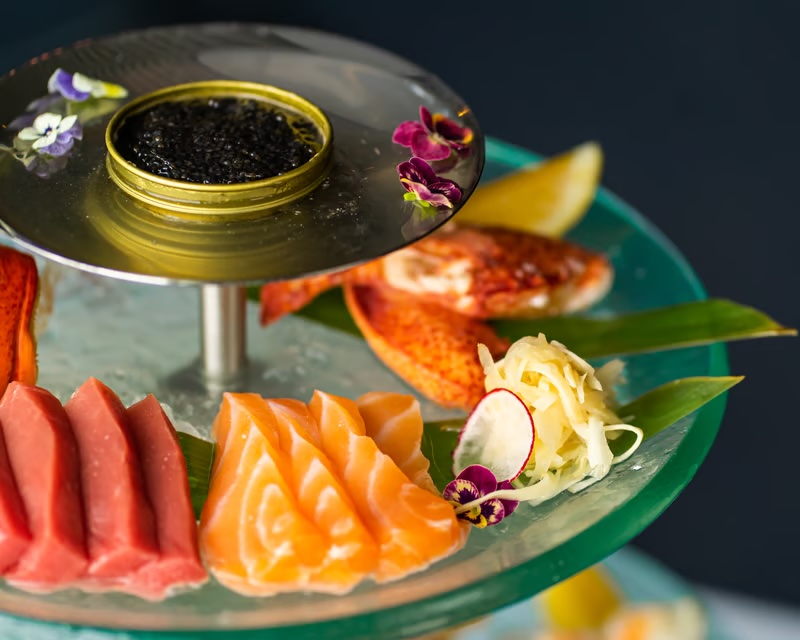
Food in Japan is one of the great joys of the trip.
It is also one of the categories where you have the most control over your spending.
How to Save on Everyday Meals
- Start the day at a convenience store. Japanese 7-Eleven and Lawson are on a completely different level from their Western counterparts
- Try conveyor-belt sushi or family-style chain restaurants for fun, filling meals at reasonable prices
- Share plates at izakaya. Ordering several small dishes between the table is both cheaper and more interesting than individual entrees
- Look for morning markets in smaller cities for fresh, inexpensive bites and local atmosphere
Special Dining Experiences Worth Budgeting For
Not every meal needs to be a splurge.
However, one or two truly special dinners can become the highlight of your trip.
A tasting menu omakase, a multi-course kaiseki dinner, or a sushi counter with a master chef are experiences you cannot replicate anywhere else.
- Mid-range special dinners: $20 to $60 per person
- High-end omakase or kaiseki: $90 to $300+ per person
Insider tip: Ask your hotel concierge to make reservations for high-end restaurants.
They often have relationships and can secure tables that are difficult to book online.

Travel tip: Hunt down local morning markets for fresh, inexpensive bites and a local atmosphere.
Food Experiences Worth Booking in Advance
After living in Japan, I can tell you this. Some of the best experiences aren’t obvious on your own.
A great food tour quietly unlocks places, stories, and flavors you would never find just walking around.
Here are the ones I recommend:
If you want a full breakdown of the best tours in Tokyo, start here:
Tokyo Tours: Best Experiences and Day Trips Worth Booking
Shinjuku Food Tour (13 dishes at 4 local spots)
A fantastic introduction to Tokyo’s food scene that takes the guesswork out of where to eat your first night.
- Visit 4 local spots most tourists miss
- Try 13 different dishes in one evening
- Small group, relaxed pace
Best for: First-time visitors who want an easy, delicious start
Check availability and prices here
Tsukiji Fish Market Food Tour
A guided way to experience one of the world’s most famous food markets without missing the best stalls.
- Try fresh tuna, tamagoyaki, and seasonal specialties
- Expert guide explains what you are eating
- Helps you avoid tourist traps
Best for: Seafood lovers and curious food travelers
Check availability and pricing here.
Sushi Making Experience (Michelin-Listed Restaurant)
Hands-on, memorable, and something your family will talk about long after the trip.
- Learn directly from a professional sushi chef
- Interactive experience in a real restaurant
- Suitable for beginners
Best for: Families who want a fun, cultural experience together.
Reserve your sushi-making spot here.
“I’ve already sent this to three friends who are planning Japan trips. It’s the one resource I wish I’d had when I started planning. We came home feeling like we’d cracked the code — great hotels, incredible food, the Shinkansen, a ryokan night — and we didn’t overpay for any of it.” — Patrice L., San Diego, traveled with husband and adult son
Experiences and Tours: What to Budget and What to Book Early
For most families, I recommend a mix of guided and self-guided days.
A paid tour day followed by a free wandering day keeps the budget balanced and the energy sustainable.
- Small-group food tours: $60 to $120 per person
- Temple and cultural walks: $40 to $90 per person
- Hands-on workshops: $60 to $150 per person
- teamLab immersive experiences: $25 to $40 per person
- Private guided tours: $150 to $450 depending on length and group size
For more curated recommendations, you can explore here
Free and Low-Cost Experiences
- Free walking tours in Tokyo and Kyoto
- Public parks and gardens, including Shinjuku Gyoen and Maruyama Park
- Tokyo Metropolitan Government Building observation deck
- Most temple and shrine grounds
- Seasonal local festivals in smaller towns
teamLab Planets Tokyo

An immersive digital art experience that blends light, movement, and interaction. This is one of the most unique things you can do in Tokyo.
- Walk through interactive art installations
- Famous floating flower room experience
- Great for all ages
Best for: Families with teens or adult children
Check ticket availability here.
⚠️ Books out quickly, especially during peak seasons
Ghibli Museum and Film Tour
A magical experience for fans of Studio Ghibli, with exclusive short films and beautifully designed exhibits.
- Includes museum entry and guided experience
- Exclusive films you cannot see anywhere else
- Located in a beautiful park setting
Best for: Families and Ghibli fans
Reserve your spot early here.
⚠️ Tickets often sell out months in advance
What to Book Before You Leave Home
Some parts of your Japan trip will sell out or increase in price if you wait.
- International flights
- Hotels in Tokyo and Kyoto
- Shinkansen seats
- teamLab tickets
- Ghibli Museum entry
- Popular food tours
Explore the most popular tours in Tokyo and beyond here.
Japan Travel Cost FAQs
How much does a two-week trip to Japan cost in 2026?
Most families spend between $3,000 and $6,500 per person for two weeks, excluding international flights.
Is Japan expensive in 2026?
Less than it used to be. The weaker yen has made Japan more affordable for many travelers.
What is the single biggest expense in Japan?
Accommodation, which typically accounts for 40 to 50 percent of total costs.
Is the Japan Rail Pass worth buying in 2026?
For most families doing the Tokyo, Kyoto, Osaka route, no.
Individual tickets are usually cheaper.
Plan Your Japan Trip with Confidence
Japan rewards thoughtful planning.
The families who have the best trips are not the ones with the biggest budgets.
They are the ones who spent intentionally, booked early, and left room for spontaneity.
Book Your Japan Trip: The Resources I Actually Use
These are the exact tools and services I rely on when planning our family trips to Japan.
Flights and Connectivity
- Find the best flight deals to Japan for your dates
- Stay connected instantly with a Japan eSIM
- Get travel insurance for peace of mind abroad
Hotels and Transportation
- Find the best family-friendly hotels in Tokyo with space and great locations
- Book a private airport transfer from Haneda for an easy arrival
- Arrange a private airport transfer from Narita if you are landing there
- Compare train pass options based on your itinerary
- Book luggage delivery between cities and travel hands-free
Tours and Experiences
- Reserve teamLab tickets before they sell out
- Browse top-rated Japan tours by city
Plan Your Japan Trip
- If you want help choosing the right hotels, tours, and experiences without wasting time or money, start here:
- 👉 Browse my Japan travel guides for families
- I walk you through exactly how to plan a smooth, memorable trip.
This article contains affiliate links, which means I may earn a small commission if you book or purchase through them at no extra cost to you. I only recommend products and services I personally use and trust. These commissions help keep Sake with Susan running, and I am grateful for your support.