
Japan travel costs 2026: Real prices for flights, hotels, food, and experiences—so you can plan with confidence
I lived in Japan for three years and return once or twice a year with my husband and grown children. Because of that history, I know where to splurge and where to save. So, in this guide to Japan travel costs for families 2026, I share realistic cost ranges, booking tips, and trusted mid-range and luxury hotel, restaurant, and tour picks. Additionally, you’ll find a printable budget checklist and affiliate booking links to streamline planning. Finally, this guide helps you avoid surprises and plan confidently for your family’s next adventure.
If you’re planning a trip to Japan, I’ve created an entire library of detailed guides here to help you do it well. It’s full of tips, lessons learned, and the kind of advice I share with friends.
Travel tip: Sign up for fare alerts and set flexible dates to catch off‑peak pricing.
Hidden gem: Look for seasonal local festivals in smaller towns . They’re free and unforgettable.
Quick snapshot — Japan Travel Costs 2026 (2‑week, per person)
- Mid‑range: $2,500–$4,000
- Luxury / Upper‑comfort: $4,000–$7,500+
- Typical comfortable trip: $3,000–$6,500 per person (excluding international flights)
Travel tip: Build a small cushion (5–10%) into your budget for last‑minute treats.
Insider tip: Convert a small amount of cash upon arrival for neighborhood shops. To begin with, make sure to bring an ATM card, as there are ATM machines in the airport for this purpose. However, if you don’t have a chance at the airport, don’t worry. Almost all konbini (convenience stores) like 7-Eleven, Lawson, and FamilyMart have ATMs where you can easily withdraw cash. Additionally, these stores are open late and located everywhere, making last-minute withdrawals incredibly convenient.
Where families spend most – Typical budget breakdown (percent of total)
- Accommodation (suites/connecting rooms, ryokan [Japanese inn] nights): 40–50%
- Food & dining: 20–25%
- Transportation (shinkansen (bullet train), local transit, occasional private transfers): 12–20%
- Experiences & tours: 10–18%
- Shopping & extras: 5–10%
Travel tip: Allocate your budget by category early so splurges don’t creep up.
Pro tip: If you’re looking for the best tours in Tokyo or Kyoto, I’ve gathered my favorite highly rated experiences in one place; from food tours and cultural walks to unforgettable day trips. These are the tours that consistently deliver real value and are worth your limited time in Japan. Pro tip: spend a little more on one truly memorable experience (like a private tea ceremony or sushi-making class at a Michelin-listed restaurant) and trim elsewhere. Viator’s handpicked collection features the kinds of Japan tours travelers rave about year after year.
Flights & family booking tips
When planning Japan travel costs for families 2026, book flights early so the whole family sits together. Typical round trip fares I’ve seen are: North America $600–$1,200; Europe $800–$1,400; Australia $500–$800. Additionally, consider premium economy for added comfort without full business prices. Use flight alerts (I use Google Flights), and in the meantime hold reservations while you finalize hotels and tours. Finally, consider refundable holds to keep plans flexible and stress-free.
Make sure to also read my updated 2026 article here:
Airalo eSIM purchase – The Easiest Way to Stay Connected in Japan (No Tech Skills Required)
I use Airalo on every trip. Before your trip, download the Airalo app, buy a Japan eSIM, and install it using Wi-Fi (I do this a day or two before flying). Label it something like “Japan Data,” turn off data roaming on your regular SIM, and set Airalo as your cellular data line. When you land in Japan, it activates automatically; no SIM swapping, no airport stress, instant connection.
Important: Make sure to contact your carrier well in advance to check that your phone is unlocked and can have the eSIM installed. Don’t wait until the day before!
Airport Transportation to your lodging
If this is your first time in Japan, I always recommend arranging your airport transportation in advance. Yes, there are cheaper ways to get from the airport to Tokyo, but after a long international flight, you’ll be tired. Truly.
Walking out of the airport and seeing a car waiting just for you feels heavenly. No figuring out train lines, no hauling luggage, no second-guessing yourself. These services are reliable, well-priced, and make your arrival smooth and stress-free. Book ahead, and you’ll thank yourself later.
Top 3 Transfers from Haneda Airport:
Top 3 Transfers from Narita Airport:
Accommodation
From experience, hotel type greatly affects comfort and cost. Therefore, budget these per‑night ranges when estimating japan travel costs:
- Mid-range/ 3 star hotels and Airbnbs: $80 – $180 / night
- Upper-mid/ 4 star hotels : $180 – $350 / night
- Luxury/ high end $350–$700 / night
- Ultra-luxury hotel suites: $700+ / night
Travel tip: Consider weekday stays at ryokan (Japanese inns) for lower rates and quieter onsen times.
Local secret: Small family‑run ryokan outside major hotspots often include private dinners and better value.
Booking tips I use (and recommend)
Japan hotels can add up quickly, so I always tell readers to check for deals before booking. Right now, Expedia is offering exclusive, limited-time discounts on select hotels across Japan, some with savings up to 30% or more. If you’ve been eyeing a special stay (or want to stretch your travel budget a bit further), this is a smart place to look before you lock anything in.
Check out my article “Japan Stays: Mid‑Price Luxury Hotels in Tokyo, Osaka & Kyoto” — I’ve stayed at each of these hotels and highly recommend them. In fact, the post includes my top picks and why they work so well for families.
Travel tip: Message the hotel directly after booking to request room placement or early check-in. Often, they’ll note your request even if they can’t guarantee it.
Underrated find: Some smaller hotels offer local discount codes if you follow them on social media before you book. Surprisingly, these savings can be better than big-site promotions.
Transportation in Japan: Getting Around Affordably
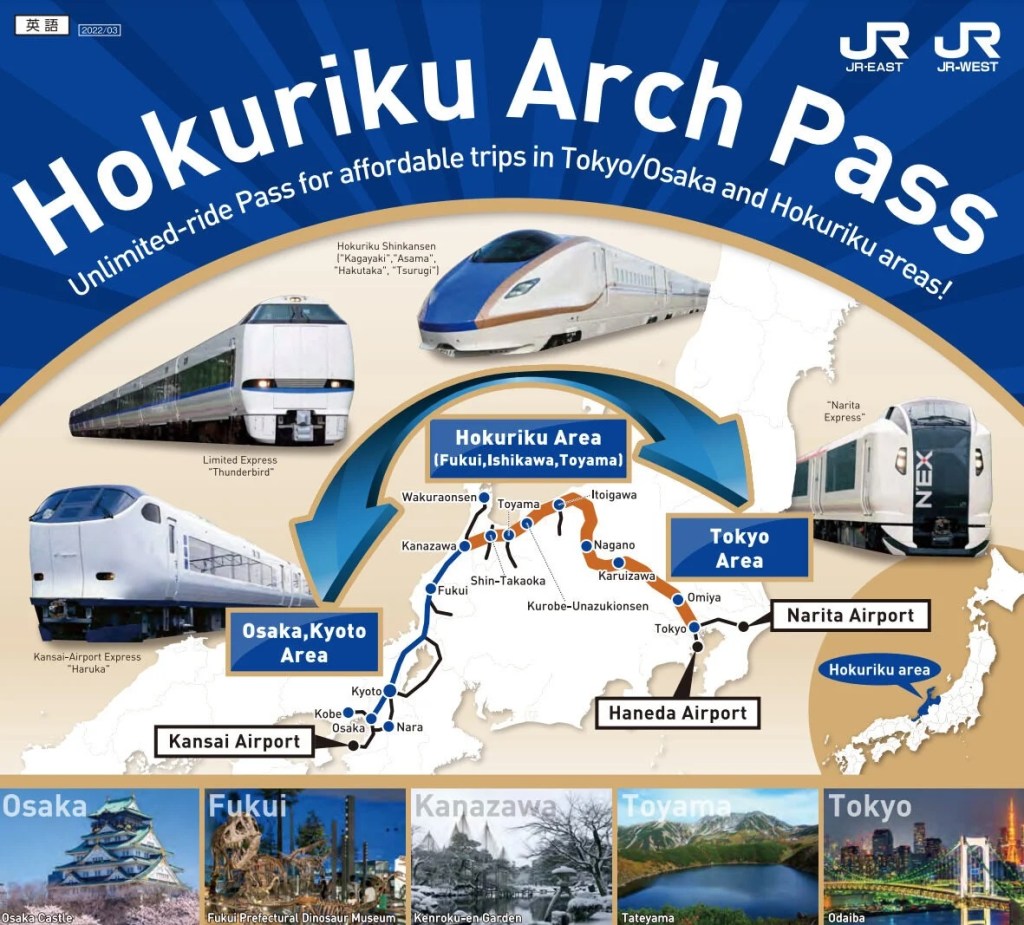
Normally, I don’t find Japan rail passes to be the best deal. You often save money buying individual tickets. But the Hokuriku Arch Pass is one of the rare exceptions. For about $210, it covers Tokyo → Kanazawa → Kyoto → Osaka, plus local JR trains and airport connections, all for 7 days. If you’re making multiple stops along the Hokuriku route, this pass can save money and a lot of stress.
Most first-time Japan travelers stick to Tokyo, Kyoto, and Osaka, which are all included in the Hokuriku Arch Pass. If your trip is just a couple of direct routes between these cities, separate tickets might be cheaper. But for a multi-city Hokuriku adventure with stops like Kanazawa along the way, this pass is definitely worth considering. I made a chart below comparing the Hokuriku Arch Pass to buying train tickets separately so you can make an educated decision, but if it were me, I’d go with the pass for the freedom and the convenience of not having to buy a ticket for every single train. Click on the arrows below to expand the table:
I found a great deal on Klook for you! Unlike many Japanese rail sites that can be tricky to navigate, Klook is completely in English, which makes booking super easy for Western travelers. Plus, if you use this link, you’ll get 10% off as a first-time buyer, a free 3GB eSIM, and 10% off selected attractions—a nice little bonus to make your Japan trip even smoother.
Be sure to purchase it at least two weeks before your trip to allow for delivery of the physical exchange order, which is required to activate your pass in Japan. Additionally, whichever option you choose, reserve shinkansen (bullet train) seats early so your family can sit together. This way, you avoid last-minute scrambles and guarantee a more relaxed travel day.
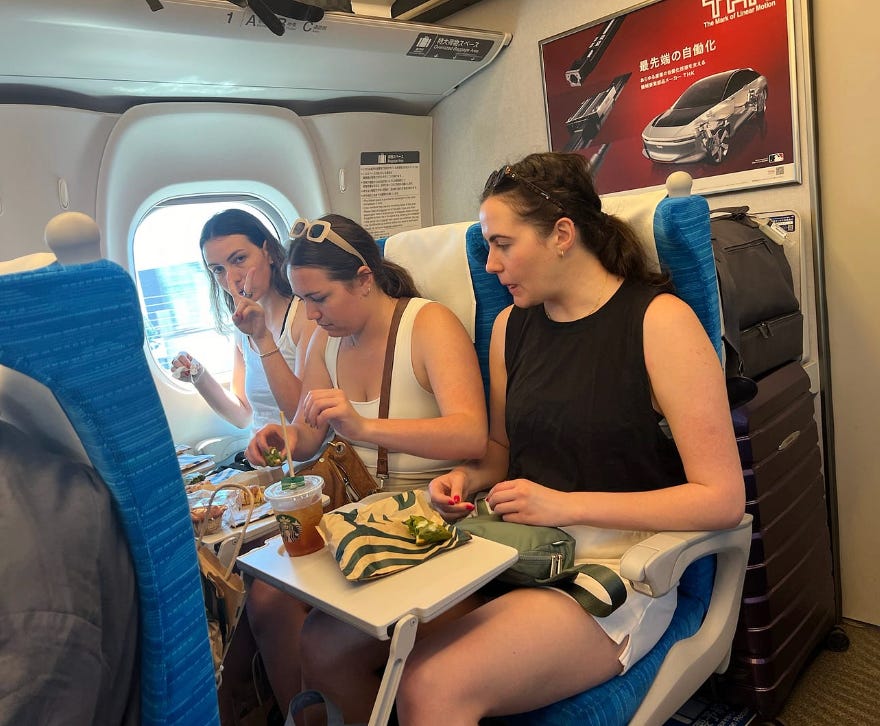
Travel Tip: Passengers with large luggage should book seats with an oversized baggage area, which are typically the last few rows in the car. In particular, reservations are required for these seats and are free for those who book in advance. However, a fee is charged if oversized luggage is brought on board without a reservation.
Diamond in the rough: If you want to travel light and stress-free, try takkyubin, Japan’s super convenient door-to-door luggage delivery service (around $12–$30 per bag). It’s incredibly popular here, and for good reason! Klook makes it even easier with their Luggage Delivery Service between Tokyo hotels and the airport—or between hotels—so you can skip hauling your bags and start enjoying your trip right away.
Local Transportation in Japan:
- Metro/subway in Tokyo and Osaka: ¥180-¥400 ($1.35-$3) per ride
- Day trips using local trains: ¥800-¥1,500 ($6-$11) one way
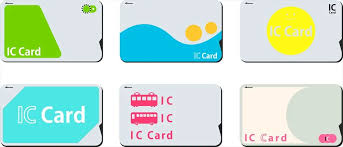
- If you have an iPhone, download the free Suica app in advance and load some money onto it—start with 1,000 yen (about $10). Then, when going through subway gate entrances and exits, simply tap your phone and it will let you through. Here is a video short that shows you how to add money to the app.
- If you don’t have an iPhone, you can buy a Japanese subway card (an IC card like Suica or Pasmo) at ticket machines and counters in most train and subway stations across Japan. Additionally, you can get them at airports, especially for tourist-specific cards like Welcome Suica, and through some online vendors before you arrive. This way, you’ll have seamless access to transit as soon as your trip begins.
Lesser known: Some regional tourist passes include free local buses or museum entry — check city tourism sites.
Dining — Everyday meals & money‑savers
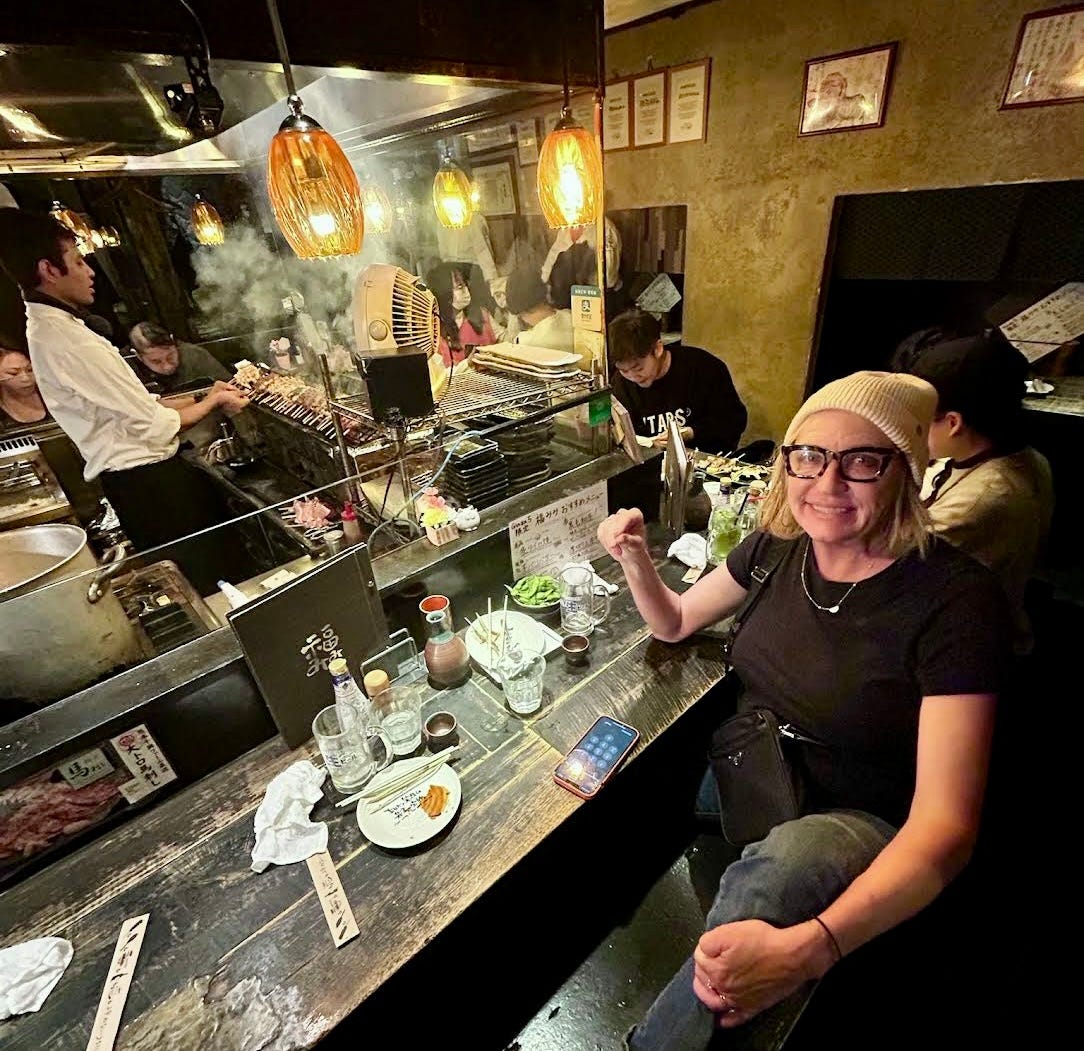
For everyday eating, I rely on convenience stores, noodle shops, and department‑store food halls (depachika). Not only are these options affordable, but they are also delicious, so they keep costs down without sacrificing quality. For planning purposes, typical prices I budget for are:
- Convenience / casual: 5–$15
- Ramen shops & teishoku set lunches: 8–$20
Money‑saving tips:
- Look for teishoku (set lunches) at midday — great value.
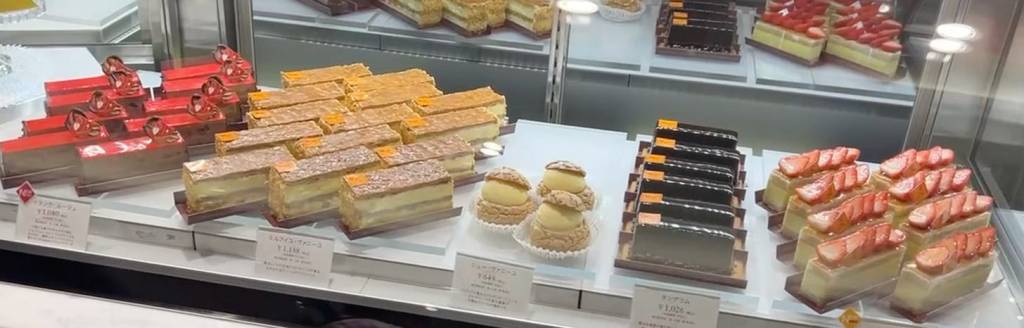
- Use depachika (basement food hall of a Japanese department store with gourmet food) for picnic boxes and high‑quality takeaway. I love wandering Ginza’s incredible food hall. There, you’ll be mesmerized by the beautifully presented gourmet takeaways and treats in the glass cases.
- Share plates at izakaya (Japanese pubs) and chain restaurants to try more dishes.
- Try conveyor‑belt sushi or family‑style chain restaurants for affordable, fun meals
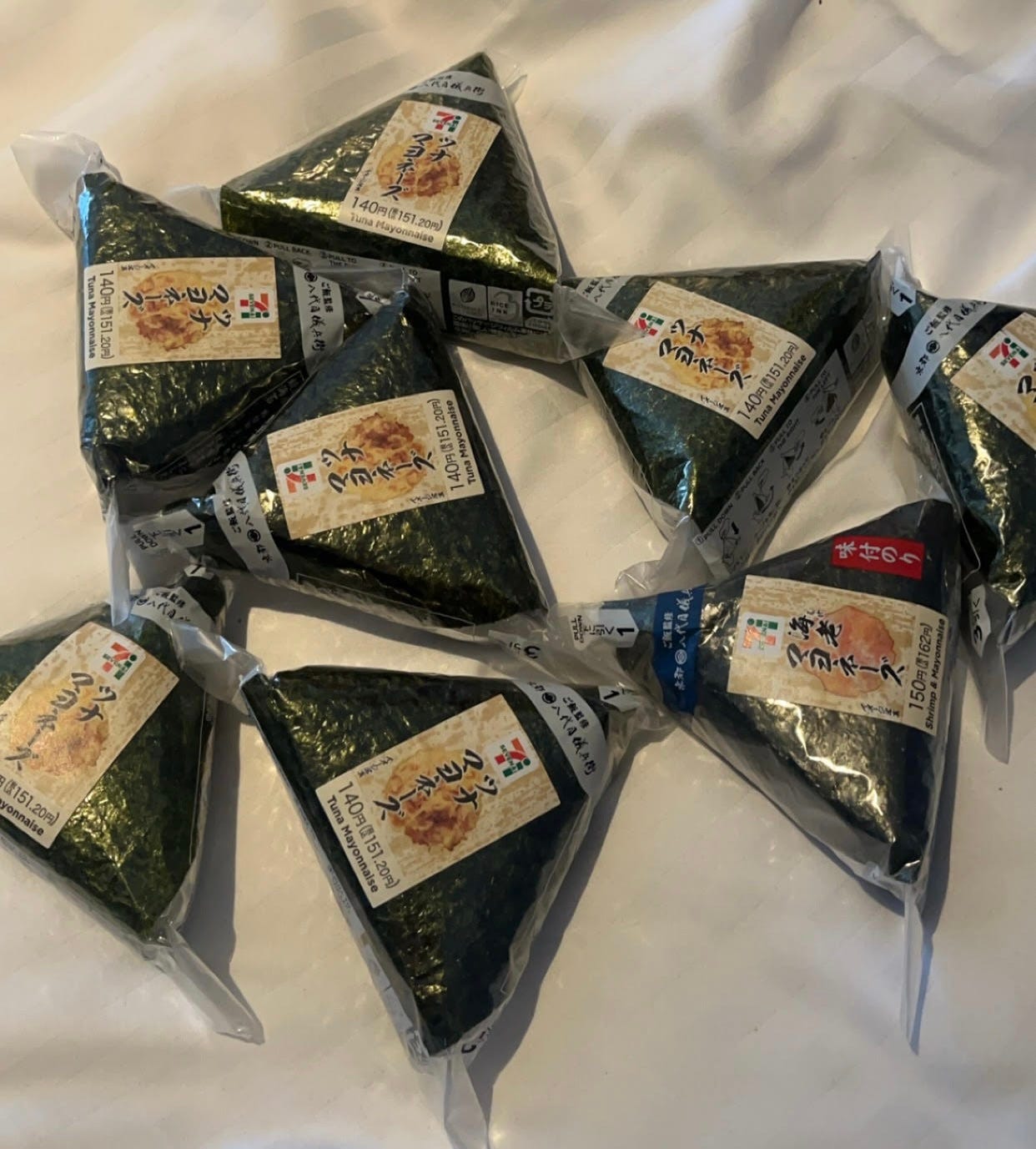
- To start the day cheaply, eat breakfast or snacks from your room or a konbini (convenience store). In particular, Japanese convenience stores like 7‑Eleven are a world apart — spotless, amazingly well-stocked, and overflowing with fresh, ready-to-eat options that actually taste great. For example, try onigiri (rice balls) with savory fillings, freshly made bento boxes, silky egg‑salad sandwiches, hot oden skewers in winter, and perfectly warmed karaage (fried chicken) — all inexpensive, convenient, and surprisingly delicious.
Travel Tip: Hunt down local morning markets for fresh, inexpensive bites and a local atmosphere.
Don’t Miss Japan’s Food Tours & Cooking Classes
Nugget of gold: Be sure to book some food tours and/or food-making classes. Not only will you learn about the food in different regions, but also these experiences are a lot of fun and provide memories you’ll never forget. For instance, here are some recommendations that I’ve personally done or, alternatively, chosen because they are top-rated with stellar reviews.
Tokyo
Top Shinjuku Food Tours
Top Shibuya Food Tours
Top Tokyo Sushi Making Classes
Top Tsukiji Fish Market Food Tours
Dining — Special dinners & reservations
- For special nights, be sure to book ahead—especially for omakase (a Japanese dining experience where the guest entrusts the chef to select and serve a multi-course meal) counters, kaiseki (traditional, multi-course Japanese haute cuisine meal), and private rooms. As a result, expect higher prices and limited availability
- Mid‑range special dinners: 20–$60 per person
- High‑end omakase / kaiseki: 90–$300+ per person
Travel tip: Use hotel concierges to help secure sought‑after reservations and to arrange private rooms.
Hidden gem: Remember to visit depachika (the Japanese term for the gourmet food halls located in the basement levels of department stores) for less‑crowded gourmet bites locals love.
Experiences & tours — Mid‑range family tours
For most families, I recommend a mix of guided and self-guided activities. For example, typical mid-range options include food walking tours, small-group temple walks, timed entry teamLab visits, and hands-on workshops like tea ceremonies or pottery. Generally, these usually cost about $150–$450 for private small groups or per person for some workshops. Therefore, book timed entries and small-group slots a few weeks ahead; in fact, for popular workshops, reserve 1–2 months in advance.
Travel tip: Mix a paid tour day with a free wandering day to keep kids engaged and budgets balanced.
Hidden gem: Small neighborhood craft studios outside city centers often offer private classes at lower rates.
Ghibli Museum
If you’re an anime fan, the Ghibli Museum inside Inokashira Park is an absolute must-see—but here’s the catch: tickets sell out months in advance and booking directly from the museum is notoriously difficult. Save yourself the stress and secure your spot with this full-day Ghibli Museum bus tour from Shinjuku that includes guaranteed museum entry, exclusive short films you can’t see anywhere else, immersive exhibits on Miyazaki’s creative process, AND a visit to the nostalgic Edo-Tokyo Open Air Architectural Museum. You’ll get round-trip transportation, lunch (standard or vegetarian Japanese set menu), and even take home a Ghibli Museum teacup as a souvenir.
Experiences – Team Labs
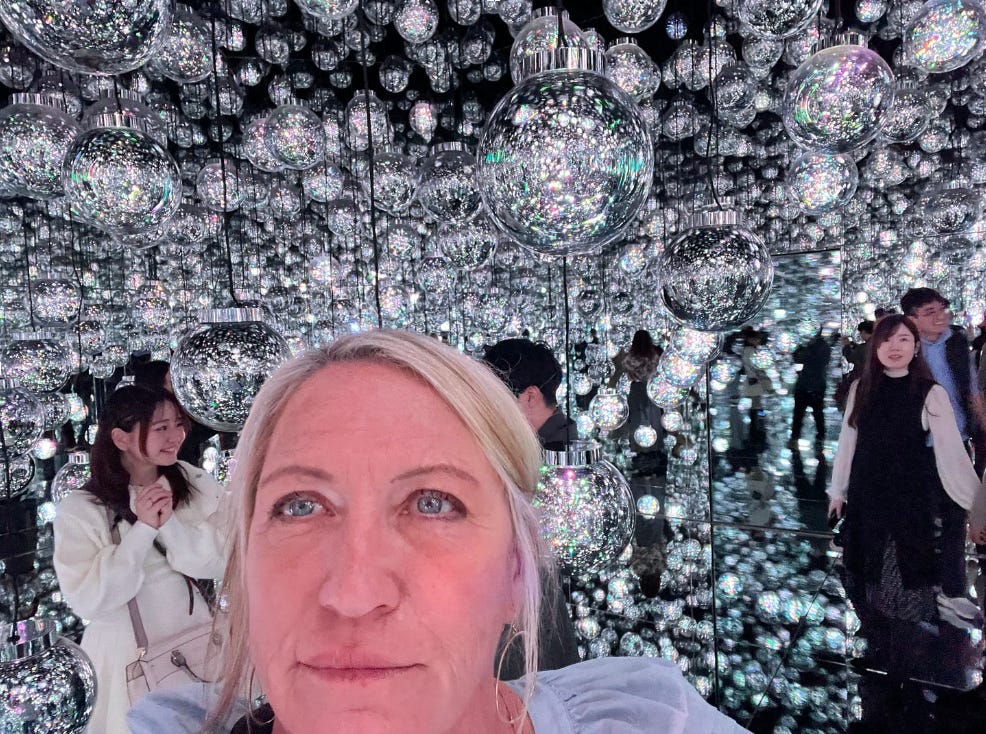
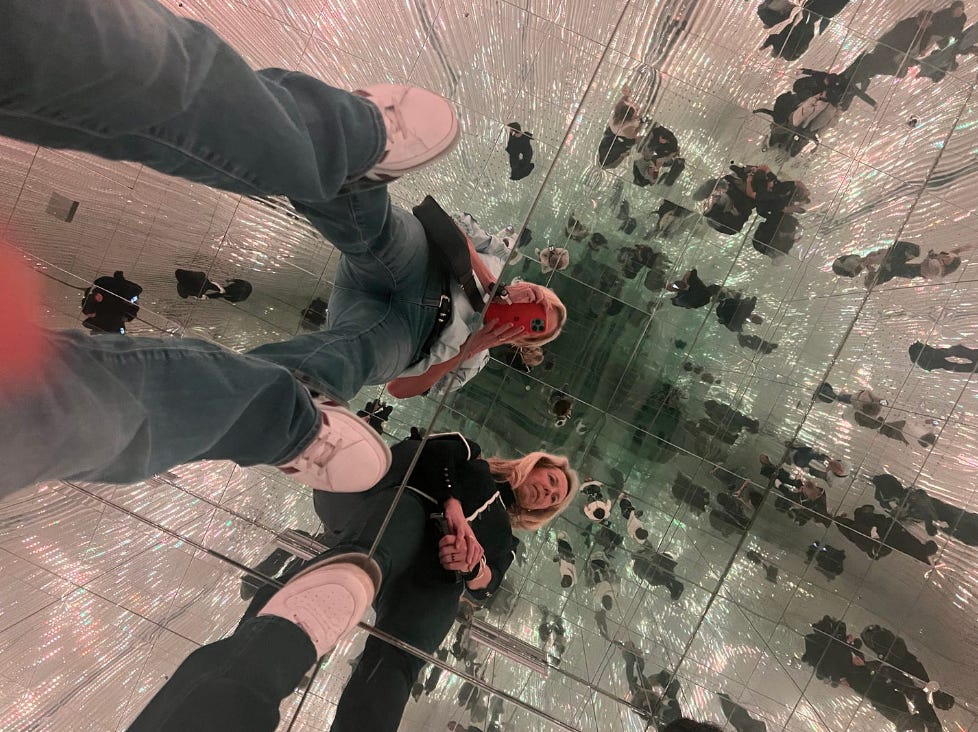
Not to be missed! There are multiple TeamLab experiences in Japan, where cutting-edge technology meets art in ways you’ve never seen before. Using video mapping, 3D projection, and interactive digital environments, these exhibits respond to your movements, letting you become part of the artwork. Imagine walking through forests of floating lights, painting virtual flowers that bloom around you, or stepping into rooms where colors, shapes, and sounds change as you move. It’s immersive, magical, and utterly Instagram-worthy—a full-on feast for your senses that both kids and adults love. This video shows the tea room at EN TEA HOUSE – Genkatei, located inside teamLab Borderless in Azabudai Hills, Tokyo. It’s pure magic! As you pour your tea, the cup comes alive with blooming flowers. Sip your tea, and the flowers inside grow and scatter, changing in size depending on how much tea is left. The enchanting display continues for as long as there’s tea in your cup—turning a simple tea break into a living, interactive work of art.
Best Value Attractions in Japan:
- Free walking tours in major cities
- Public parks and gardens
- Free observation decks (Tokyo Metropolitan Government Building)
- Temple and shrine grounds (many are free to enter) –
- Travel tip: Buy tickets for major attractions online in advance to skip lines.
- Hidden gem: Visit smaller museums or local festivals for unique insights and lower entry fees.
- Daily meals, splurge meals, tours, theme park tickets, eSIM/pocket Wi‑Fi, takkyubin, souvenirs, and incidentals.
Conclusion
I still find Japan endlessly charming, and as a result, every trip with my husband and grown kids leaves me with new favorite moments. Therefore, mix one meaningful splurge (a ryokan night or a private guide) with thoughtful mid-range choices so that you get both comfort and authenticity. In addition, download the family budget checklist, reserve high-demand dates early, and use the booking links above to lock in your plans. If you like, I can help tailor an itinerary to your family’s tastes—just tell me which city you’re starting in.
My tip: Focus your spending on what matters most to you—whether that’s exceptional dining experiences, cultural activities, or convenient accommodations.
Moreover, with the Japanese yen weak, Japan’s reputation as an expensive destination is largely outdated. By using the strategies outlined in this article, you can experience this fascinating country without breaking the bank. Ultimately, the key is knowing which experiences are worth the splurge and where you can save without compromising your experience
Japan Travel Costs for Families 2026: A summary of all the links I’ve recommended, plus some overlooked family expenses I always plan for when traveling in Japan.
Summary of Links:
Don’t Miss: 44 Japan Packing List Essentials (Not Your Generic Travel List)
Don’t skip travel insurance! Accidents happen, and hospital bills in Japan can be huge. I recommend World Nomads Travel Insurance—they specialize in Japan travelers and make coverage easy.: $60–$200 per person:
Private Transportation from Haneda Airport to Your Hotel In Tokyo
Private Transportation from Narita Airport to Your Hotel In Tokyo
Booking.com- Hotels in Japan Deals
Hokuriku Arch Unlimited Train Pass Deal (Includes Tokyo, Osaka, Kyoto and More
Door-to Door Luggage Delivery Service
Shinjuku Food Tour (13 Dishes at 4 Local Eateries) – 5/5 Stars
Sushi Making in Tokyo at a Michelin-Listed Restaurant – 5/5 Stars
Best of Shibuya Food Tour – 5/5 Stars
Tokyo Tsukiji Fish Market Food and Culture Walking Tour- 5/5 Stars
Tsukiji Fish Market Guided Tour and Sushi Making with Pro Chef – 5/5 Stars
Reserved seat surcharges, booking fees, and peak‑season premiums.
If you found this guide helpful and decide to book accommodations or tours for your Japan trip, I’d be grateful if you’d consider using my affiliate links in the article—it helps me keep creating these guides at no extra cost to you.