

After living in Japan for three years and returning multiple times with my family, I can tell you that Kyoto is the one destination that never fails to take my breath away. This ancient capital holds over 2,000 temples, 400 shrines, and countless gardens—but you don’t need months to experience its magic. This proven 3-day itinerary covers the essential attractions in Kyoto Japan that will give you an authentic, unforgettable experience without the overwhelm.
What Makes Kyoto Different from Other Japanese Cities?
Kyoto served as Japan’s imperial capital for over 1,000 years, from 794 to 1868. Unlike Tokyo, which was devastated during World War II, Kyoto was spared from bombing, preserving its historic temples, traditional wooden machiya houses, and ancient gardens. Today, Kyoto feels like a living museum where centuries-old traditions coexist with modern Japanese life.
The city contains 17 UNESCO World Heritage Sites and remains the cultural heart of Japan. Walking through Kyoto’s temple districts feels fundamentally different from visiting reconstructed historical sites—these buildings have stood for centuries, witnessed generations of emperors, and continue to function as active places of worship.
This YouTube video, put out by Japan Guide, offers a vibrant, colorful introduction to visiting Kyoto and is a great place to start planning your trip:
Understanding Your Kyoto Visit: What Search Results Won’t Tell You
Most travel guides list the same attractions without explaining the critical timing and logistics that make or break your experience. Having navigated Kyoto with my three adult daughters and husband multiple times, I’ve learned that visiting at 10 AM versus 7 AM can mean the difference between a serene, magical experience and fighting through tourist crowds.
The attractions in Kyoto Japan fall into distinct geographic clusters. Smart planning means grouping nearby sites together rather than crisscrossing the city. This verified itinerary eliminates wasted travel time and maximizes your experience at each location.
Here’s the thing about Kyoto—you can absolutely explore on your own, but having a great guide for at least one day? Game changer. They know exactly when to show up to beat the crowds, which angles get the best photos, and they share the kind of historical context that makes everything click. Plus, no stress about navigating trains or missing something important.
I found this award-winning Viator tour that hits Kyoto’s top three attractions that I will describe below – Fushimi Inari’s iconic torii gates, Arashiyama Bamboo Grove, and the stunning Golden Pavilion—all before crowds arrive, with a knowledgeable English-speaking guide who makes everything easy. With 99% of 1,424 travelers recommending it and a 2025 Viator Experience Award under its belt, this early morning tour is clearly doing something right. Book now—this popular experience sells out fast and should be reserved at least 43 days in advance.
Day 1: Traditional Kyoto – Sacred Shrines, Historic Temples & the Geisha District
Day 1 focuses on southern and eastern Kyoto, home to the city’s most iconic religious sites and the famous geisha district. This route flows naturally using Kyoto’s efficient public transportation system.
How Do I Visit Fushimi Inari Shrine Without the Crowds?
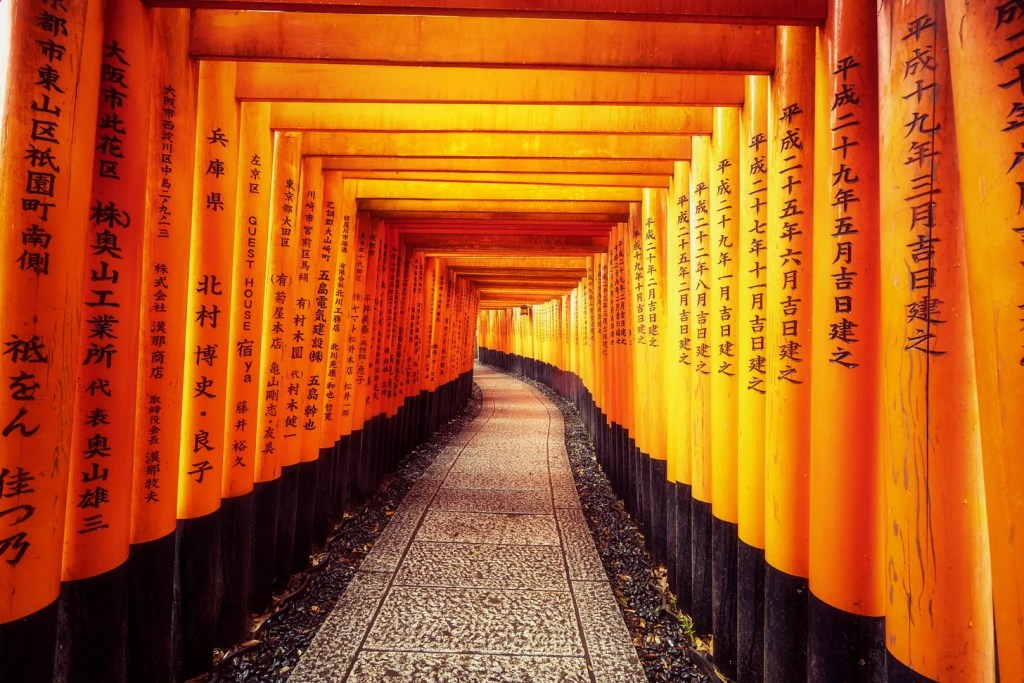
Fushimi Inari Shrine is famous for its “thousands” of vermilion torii gates, but there are actually around 10,000 of them lining a 4-kilometer hike up Mount Inari.
Arrive at Fushimi Inari Shrine before 8 AM to experience the thousands of vermillion torii gates without crowds. This is non-negotiable advice based on multiple visits.
Fushimi Inari Shrine ranks as one of the most photographed locations in Japan. The shrine, dedicated to Inari, the Shinto god of rice and prosperity, dates back to 711 CE. What makes it extraordinary are the 10,000+ torii gates donated by businesses and individuals, creating glowing orange tunnels that wind up Mount Inari.
The complete hike to the summit covers 4 kilometers and takes 2-3 hours roundtrip. However, you’ll reach stunning viewpoints with far fewer tourists about 30-40 minutes into the climb. Wear comfortable walking shoes and bring water—vending machines exist along the route but charge premium prices.
Insider tip: After descending, explore the small market at the shrine entrance. Vendors sell freshly made inari sushi (sweet rice in fried tofu pockets, named after the shrine’s deity) and grilled sparrow on sticks, a traditional local delicacy.
What Are the Essential Sights in the Higashiyama District (the East Side of Kyoto)?
The essential sights in Higashiyama include Kiyomizu-dera Temple, Yasaka Pagoda, Kodai-ji Temple, and the Shirakawa canal area. This preserved historic district offers the most authentic traditional Japanese atmosphere in Kyoto.
Kiyomizu-dera Temple: Why It’s a Must-See Attraction in Kyoto Japan
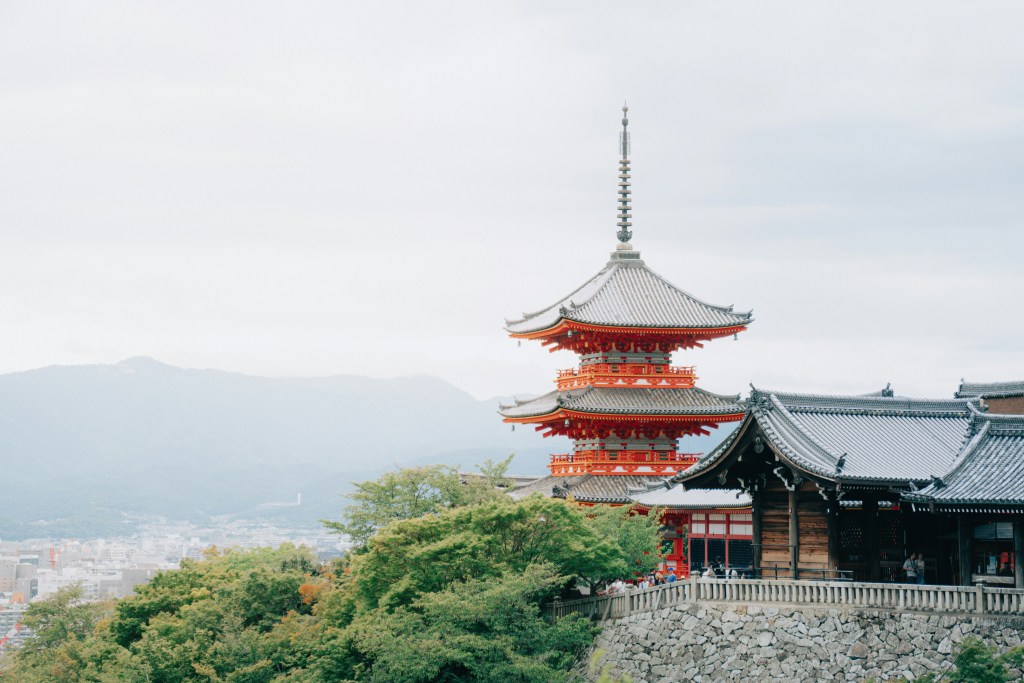
Kiyomizu-dera Temple deserves at least 90 minutes of your time. This UNESCO World Heritage site, founded in 778, features a massive wooden stage that juts out 13 meters over the hillside, supported entirely by interlocking wood joints without a single nail.
The main hall offers panoramic views over Kyoto. During my autumn visit, the surrounding maple trees created a blazing red canopy that photographs cannot capture adequately. The temple complex includes several smaller shrines worth exploring:
- Jishu Shrine: Located behind the main hall, this shrine is dedicated to the deity of love and matchmaking. Two “love stones” sit 18 meters apart—legend says if you can walk from one to the other with your eyes closed, your romantic wishes will come true.
- Otowa Waterfall: At the base of the main hall, three streams of sacred water flow from the mountainside. Each stream supposedly grants different blessings: longevity, academic success, or romantic fortune. Choose only one stream to drink from, as drinking from all three is considered greedy.
Important note: Kiyomizu-dera charges a 400-yen entrance fee (approximately $3 USD / £2.30 GBP / €2.80 EUR / $4 CAD / $4.60 AUD), unlike many Kyoto temples that offer free grounds access.
The Higashiyama Walking Route: Step Back in Time
The walk from Kiyomizu-dera down through Higashiyama’s preserved streets is where Kyoto’s traditional character truly reveals itself. The narrow stone-paved lanes, called Ninenzaka and Sannenzaka, are lined with wooden machiya houses converted into tea shops, pottery studios, and craft boutiques.
Don’t miss these spots on your walk:
- Yasaka Pagoda (Hokan-ji Temple): This five-story pagoda, built in 592, creates the quintessential Kyoto photograph—a traditional pagoda framed by wooden buildings and stone streets.
- Kodai-ji Temple: Founded in 1606 by the widow of military leader Toyotomi Hideyoshi, this temple features exquisite zen gardens, dramatic temple halls, and its own small bamboo grove without Arashiyama’s overwhelming crowds.
- Shirakawa Canal Area: This quiet section along a willow-lined canal offers the best chances for spotting geishas and maikos (apprentice geishas) walking to appointments in the early evening.
The walk naturally leads you toward the Gion district, Kyoto’s historic geisha district. Along the way, stop for matcha soft-serve ice cream—the bright green swirl of green tea ice cream has become one of my daughters’ favorite Japanese treats.
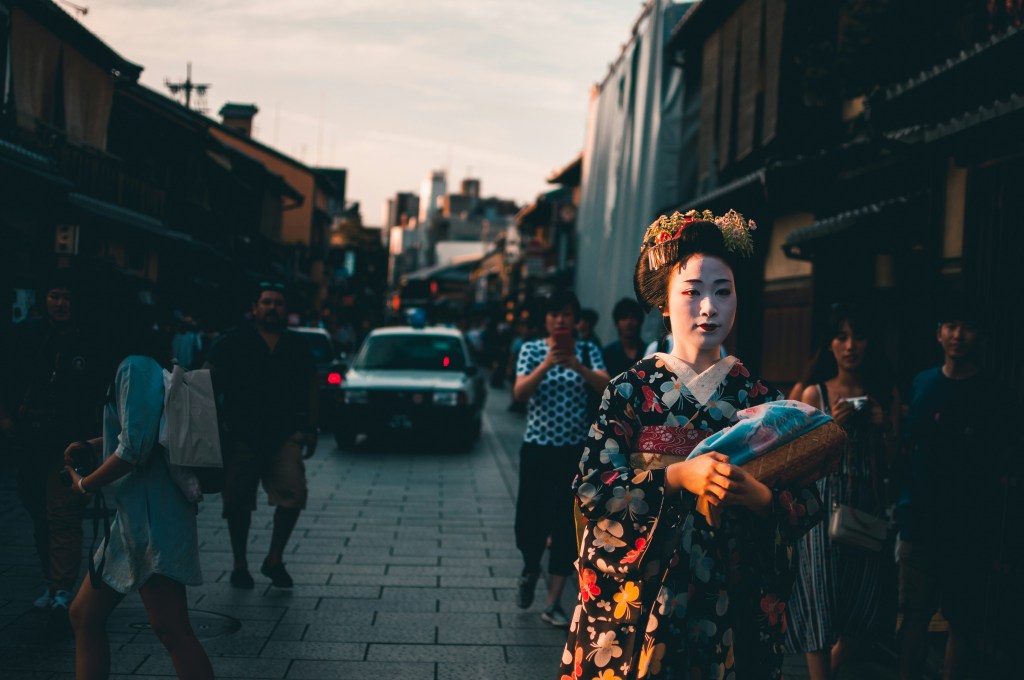
The Gion district during the day? Packed with tourists. At night? Absolutely magical. This is when you’ll actually feel the atmosphere—lanterns glowing, wooden teahouses quiet and elegant, and if you’re lucky, a real geisha or maiko hurrying to an appointment. A guide makes all the difference here.
Want a truly unforgettable kaiseki dinner? Gion is the place. This traditional multi-course Japanese haute cuisine (6-15 exquisitely presented dishes) originated from 16th-century tea ceremonies, and experiencing it in Gion’s intimate, historic machiya townhouses, where geishas once entertained, is simply unmatched. Worth every penny.
This Badge of Excellence-winning evening tour delivers a 10-course kaiseki feast plus a guided walk through Gion’s most enchanting streets and hidden back alleys. Stroll the Kamo River terraces, explore Pontocho’s legendary geisha district, and discover Kyoto’s secret charm before sitting down to an extraordinary dinner with green tea, dessert, and drinks included. Limited spots available—this exclusive cultural experience sells out quickly.
Where Should I Go for Dinner and Geisha Spotting in Gion?
Head to Pontocho Alley between 6-7 PM for dinner and your best chance of seeing geishas and maikos heading to their evening appointments.

Gion serves as Kyoto’s most famous geisha district. The narrow alley of Pontocho, running parallel to the Kamogawa River, transforms into a magical scene at dusk when traditional wooden facades glow with lantern light.
I strongly recommend booking a small-group food tour for your first evening in Kyoto. A knowledgeable English-speaking guide navigates you through the entertainment district while explaining the history and traditions you’re witnessing. You’ll sample regional specialties including Kyoto-style wagyu beef, seasonal kaiseki preparations, and local sake varieties.
Important geisha etiquette: If you’re fortunate enough to see a geisha or maiko, do not chase them, block their path, or grab them for photographs. These are working professionals heading to appointments. Respectful photographs from a distance are acceptable, but treating them like street performers is deeply disrespectful.
Day 2: Arashiyama’s Natural Beauty and the Golden Pavilion

Day 2 explores western Kyoto’s scenic attractions, including the world-famous bamboo grove and one of Japan’s most iconic temples. This day requires more strategic planning regarding transportation between sites.
How Do I Explore the Arashiyama Area Efficiently?
Visit the Arashiyama Bamboo Grove first (arriving by 8 AM), followed by the Monkey Park, then head to Kinkaku-ji (Golden Pavilion) in the afternoon. This sequence minimizes backtracking and positions you at each location during optimal lighting.
Arashiyama Bamboo Grove: A Mystic Outland Experience
The Arashiyama Bamboo Grove delivers an otherworldly experience as towering bamboo stalks sway overhead, creating a rustling sound the Japanese call “bamboo whispers.” Walking through this mystic outland feels like stepping into another realm entirely. The main path through the grove extends about 500 meters, connecting the Tenryu-ji temple to the Okochi Sanso Villa.
Bamboo holds profound cultural significance in Japan, symbolizing strength and resilience because it bends in storms without breaking. These particular bamboo stalks, called moso bamboo, can grow up to one meter per day during peak growing season.
Critical timing advice: The bamboo grove has become victim to its own fame. By 10 AM, the path becomes a slow-moving mass of tourists. Arriving at opening time (typically around 8 AM) provides 1-2 hours of relatively peaceful exploration before the crowds arrive, allowing you to fully experience this mystic outland atmosphere. 1-2 hours of relatively peaceful exploration before the crowds arrive.
Kyoto Monkey Park Iwatayama: An Active Adventure
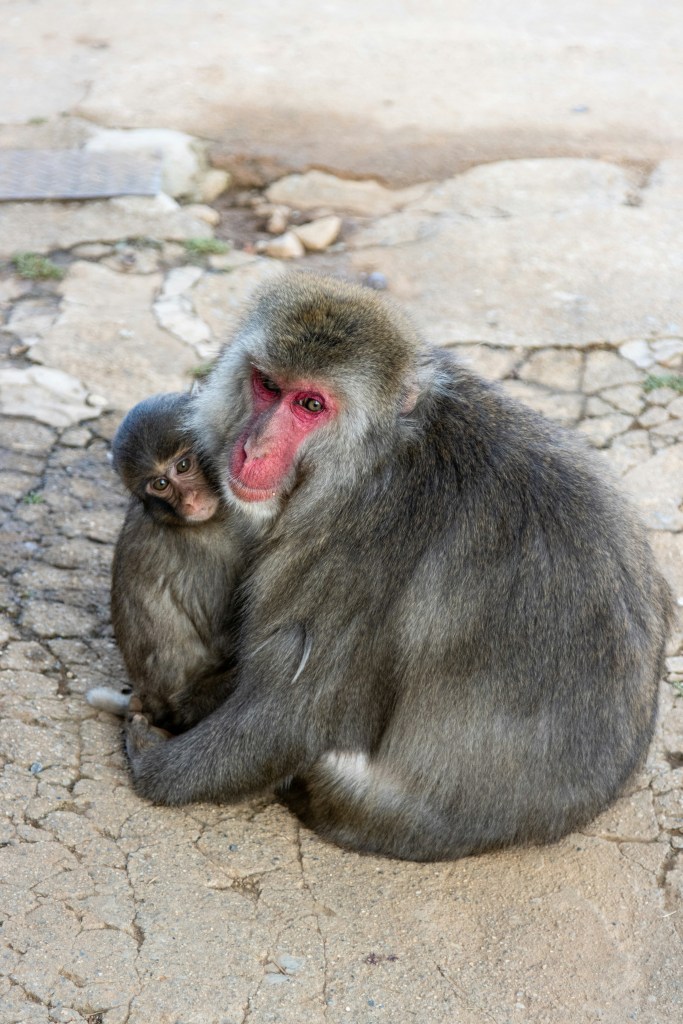
After the bamboo grove, cross the picturesque Togetsukyo Bridge spanning the Katsura River and climb to the Kyoto Monkey Park Iwatayama. This 20-minute uphill hike rewards you with two things: panoramic views over Kyoto and close encounters with over 120 wild Japanese macaque monkeys.
Unlike traditional zoos, the monkeys roam freely on the mountainside in their natural habitat. Visitors enter a fenced building where you can purchase bags of apples or peanuts to feed the monkeys through the fence. The role reversal—humans in cages, monkeys free—creates a unique experience my family found surprisingly entertaining.
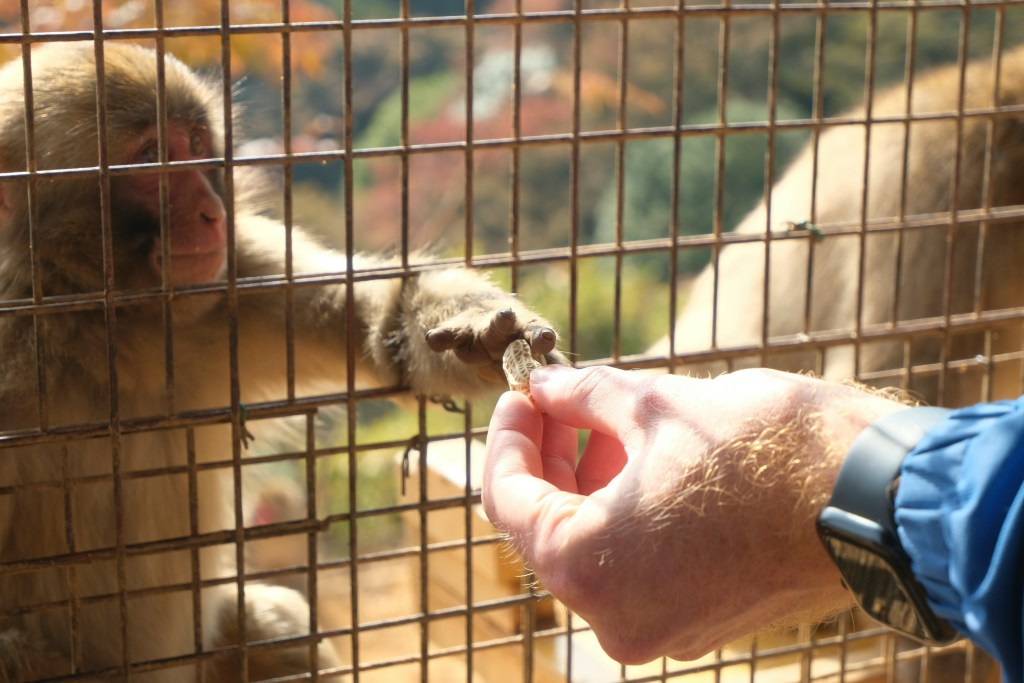
Important safety note: Japanese macaques are wild animals. Do not make direct eye contact with them, as they interpret this as a challenge or threat. Keep food hidden until you’re inside the feeding building, and never attempt to touch or pet the monkeys.
The park entrance costs 550 yen (approximately $4.20 USD / £3.20 GBP / €3.90 EUR / $5.70 CAD / $6.40 AUD) for adults. Given the physical climb and animal interactions, this attraction works better for families with active members rather than those with mobility limitations.
Where Should I Eat Lunch in Arashiyama?
Return to Arashiyama’s main street along the river for lunch. Several riverside restaurants offer views of Togetsukyo Bridge while serving fresh sushi, grilled fish, and seasonal kaiseki cuisine.
My personal recommendation is any restaurant offering kyo-yasai cuisine—traditional Kyoto vegetables prepared in seasonal dishes. Kyoto’s vegetables, protected by geographical indication status, taste distinctly different from vegetables grown elsewhere due to the region’s unique soil and water.
Arashiyama Yoshimura restaurant: An elegant, highly-rated spot known for handmade soba noodles, offering scenic river views and seasonal vegetable dishes, that get almost 5 stars on Yelp.
After lunch, explore Arashiyama’s shopping street if time permits. While touristy, it offers local specialties including yatsuhashi (cinnamon-flavored mochi) and beautiful handcrafted souvenirs.
What Is Kinkaku-ji and How Do I Visit the Golden Pavilion?

Kinkaku-ji, officially named Rokuon-ji, stands as one of Kyoto’s most recognizable attractions—a three-story Zen Buddhist temple whose top two floors are completely covered in gold leaf. The pavilion serves as a shariden, housing relics of Buddha.
Originally built in 1397 as a retirement villa for Shogun Ashikaga Yoshimitsu, the structure became a temple after his death. The current building is a 1955 reconstruction after a monk with mental illness burned down the original in 1950—an event fictionalized in Yukio Mishima’s novel “The Temple of the Golden Pavilion.”
Visiting Kinkaku-ji efficiently: Take a taxi (approximately 15-20 minutes, 2,000-3,000 yen or about $15-23 USD / £11.50-17.50 GBP / €14-21 EUR / $21-31 CAD / $23-35 AUD) or bus from Arashiyama to Kinkaku-ji. The visit follows a one-way path around Kyokochi Pond, through Japanese zen gardens, and past smaller tea houses. The entire route takes 45-90 minutes depending on photograph stops.
The gold leaf covering the pavilion contains real gold, making the reflection on the pond absolutely spectacular, particularly on sunny afternoons when the light hits perfectly. Each season offers distinct beauty—autumn’s red maples, winter’s occasional snow, spring’s cherry blossoms, or summer’s lush greenery.
Entrance costs 500 yen (approximately $3.80 USD / £2.90 GBP / €3.50 EUR / $5.20 CAD / $5.80 AUD) and includes a unique admission ticket—a paper ofuda (blessing charm) with the temple name beautifully handwritten in calligraphy.
Where Should I Eat Dinner on Day 2?
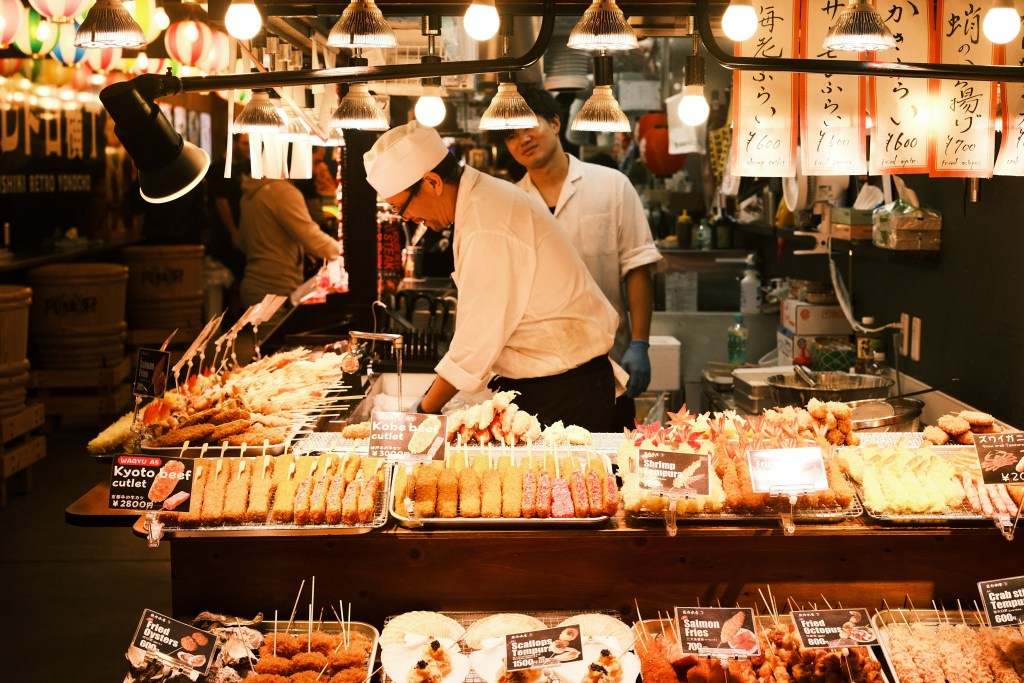
Return to central Kyoto and explore Nishiki Market for dinner. This 400-meter covered shopping street, operating since 1615, functions as “Kyoto’s Kitchen” with over 100 specialty food shops and restaurants. I found a great article called “Kyoto’s 400 Year-Old Kitchen: Nishiki Market” that gives recommendations on what to order there. We ducked into a small restaurant there and ordered delicious ramen and gyoza (pot stickers).

Nishiki Market offers incredible variety: fresh seafood, Japanese pickles, grilled skewers, fresh mochi, matcha desserts, and handmade yuba (tofu skin, a Kyoto specialty). The market atmosphere, vendors calling out greetings, and opportunity to sample regional specialties creates a memorable dining experience that differs completely from formal restaurant service.
Day 3: A Scenic Day Trip to Nara
Your final day should include a day trip to Nara, Japan’s first permanent capital (710-784 CE). Located only 45 minutes from Kyoto, Nara offers a completely different atmosphere with its famous sacred deer and some of Japan’s oldest surviving structures.
This bestselling small-group tour “Nara Early Morning Tour (Kyoto or Osaka Departure Available)”, (max 12 people) gets you to Nara’s iconic attractions, that I describe below, before the masses arrive. They include Kofuku-ji Temple’s five-story pagoda, Kasuga Grand Shrine with 3,000 stunning lanterns, free-roaming sacred deer in Nara Park, and Todai-ji Temple housing Japan’s largest Buddha statue. Recommended by 98% of travelers, this exclusive early-access experience includes pickup from Kyoto or Osaka and expert guidance through Japan’s first permanent capital. Spots fill fast—book now to secure your preferred departure date.
How Do I Get to Nara from Kyoto?
The Kintetsu Line provides the fastest connection at only 35 minutes, costing approximately 1,280 yen ($10 USD / £7.50 GBP / €9 EUR / $13 CAD / $15 AUD) one-way. Trains depart from Kyoto Station frequently throughout the day.
Alternatively, the JR Nara Line takes about 45 minutes and works well if you purchased a Japan Rail Pass. The Kintetsu-Nara Station sits slightly closer to main attractions than JR Nara Station, saving about 5-10 minutes of walking.
What Are the Must-See Attractions in Nara?
You must experience the sacred deer in Nara Park, visit Kasuga Taisha Shrine with its thousands of lanterns, and see the Great Buddha housed in Todai-ji Temple.
Morning: Nara Park and the Sacred Deer
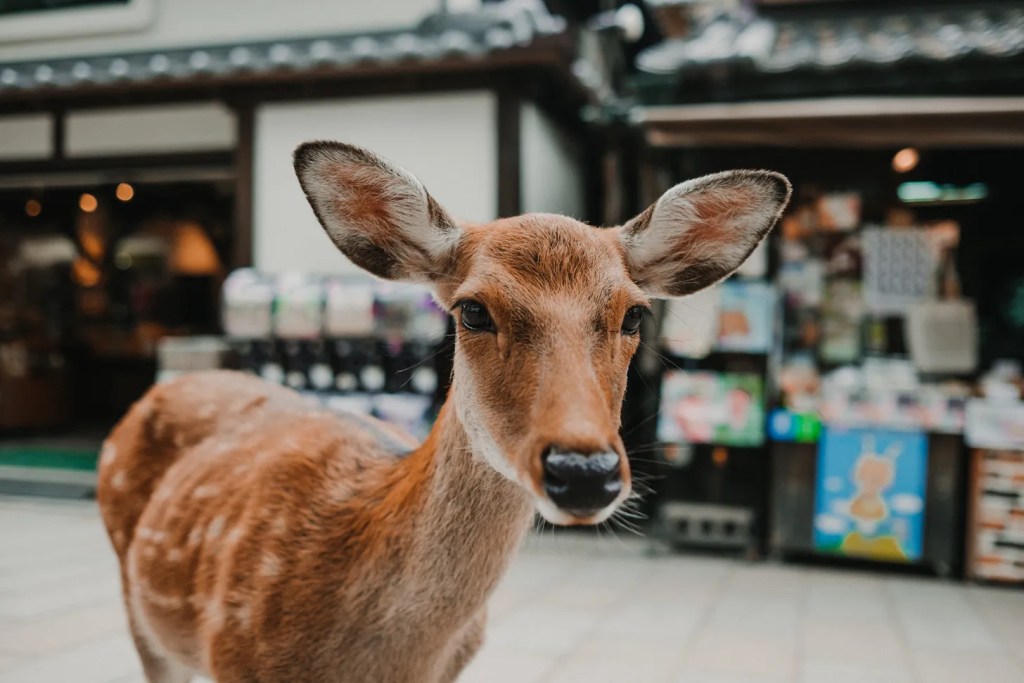
Nara Park spans over 500 hectares and serves as home to more than 1,400 sika deer, designated as National Treasures. These deer have lived wild in Nara for centuries, considered sacred messengers of the Shinto gods in ancient Japanese mythology.
The deer have become remarkably tame, approaching visitors and bowing politely when requesting shika senbei (deer crackers sold by vendors throughout the park for 200 yen or about $1.50 USD / £1.15 GBP / €1.40 EUR / $2.10 CAD / $2.30 AUD per stack). This bowing behavior is learned, not instinctive—deer observe humans bowing and mimic the action to receive treats.
Fair warning from experience: The deer are gentle but pushy once they know you have crackers. They will nudge, nibble at clothing, and follow persistently. My daughter Amanda made the mistake of showing an entire stack of crackers, and within seconds, six deer surrounded her demanding tribute. Keep crackers hidden until you’re ready to feed specific deer, and don’t tease them by holding food out of reach.
Late Morning: Kasuga Taisha Shrine
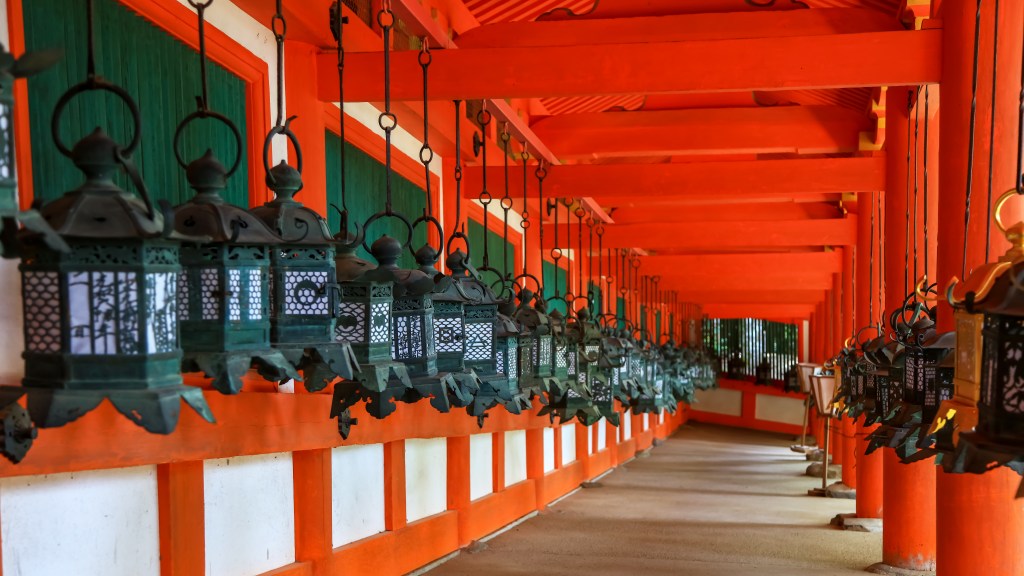
Walking from Nara Park to Kasuga Taisha Shrine takes about 15 minutes along a forested path lined with stone lanterns. Kasuga Taisha, founded in 768 CE, features over 3,000 bronze and stone lanterns donated over centuries by worshippers.
The shrine’s famous Lantern Festival, held twice yearly in February and August, lights all lanterns simultaneously, creating a magical scene. Even during regular visits, the path through the forest lined with moss-covered stone lanterns delivers a mystical atmosphere.
The shrine’s vermillion-lacquered buildings contrast beautifully against the forest’s deep green. Entrance to the outer grounds is free, though the inner sanctuary requires a 500-yen fee (approximately $3.80 USD / £2.90 GBP / €3.50 EUR / $5.20 CAD / $5.80 AUD).
Afternoon: Todai-ji Temple and Japan’s Great Buddha
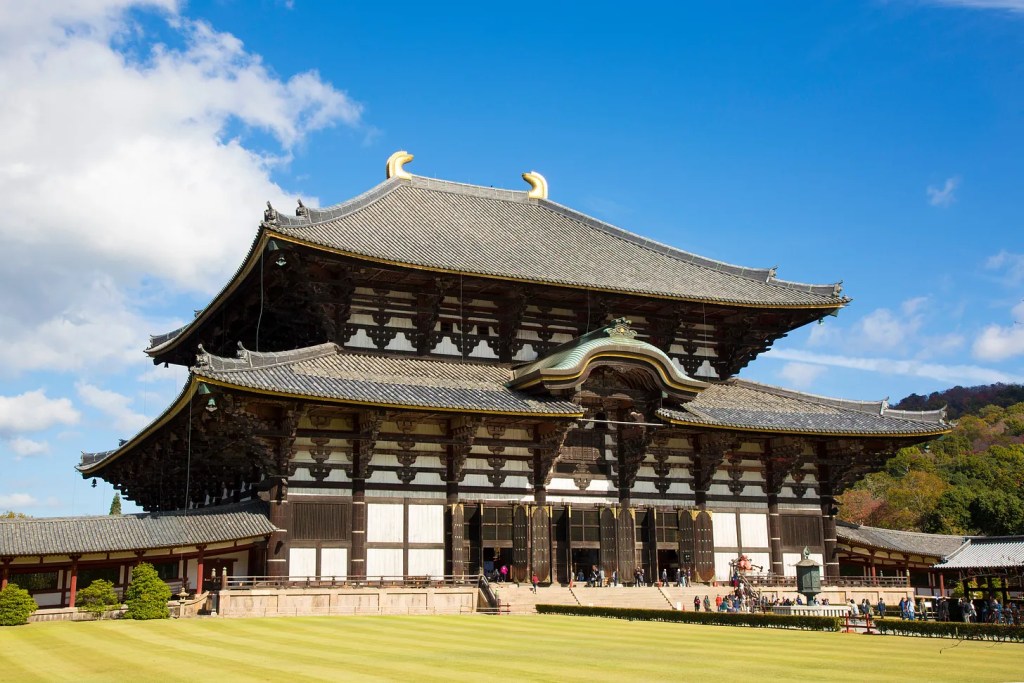
Todai-ji charges 600 yen entrance (approximately $4.60 USD / £3.50 GBP / €4.20 EUR / $6.20 CAD / $7 AUD) for adults. The temple complex deserves at least 60-90 minutes, including time to explore the temple grounds and watch the deer that wander freely through the area.
Walking into the temple hall and seeing the Great Buddha for the first time creates an overwhelming sense of scale. The Buddha’s face alone measures 5 meters, and a single ear is nearly 3 meters long. No photograph adequately conveys the physical presence of this ancient statue.
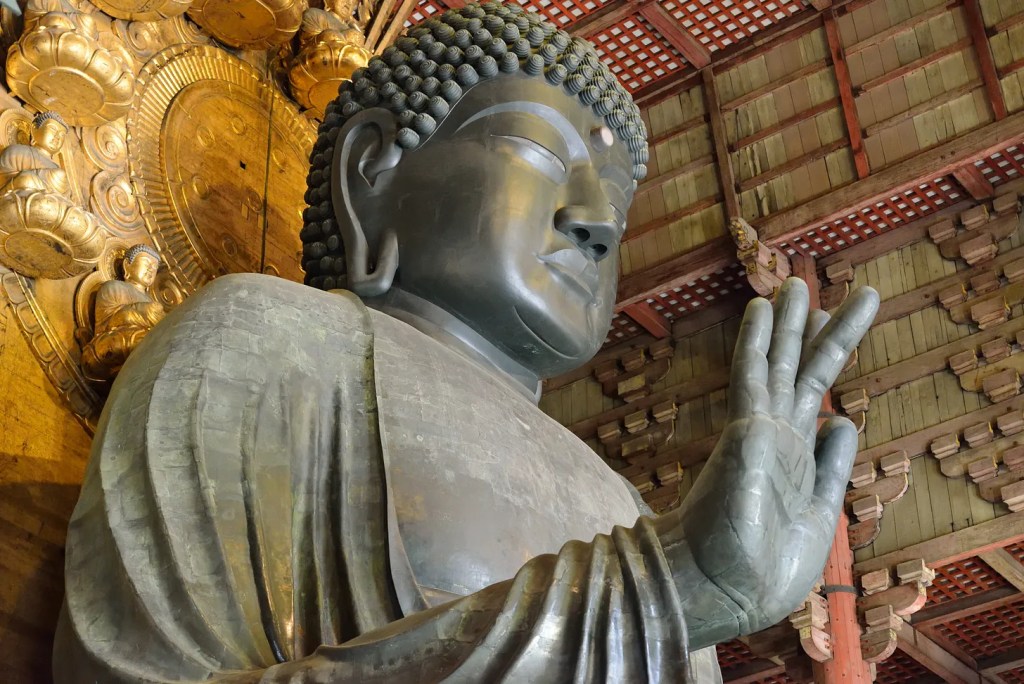
Don’t miss this experience: One of the temple’s wooden support pillars contains a small opening at its base, supposedly the same size as the Buddha’s nostril. According to legend, successfully squeezing through this hole grants enlightenment in your next life. The opening is quite small—designed for children and petite adults. My daughters attempted it with mixed success, creating entertaining family photos and memories.
Todai-ji charges 600 yen entrance for adults. The temple complex deserves at least 60-90 minutes, including time to explore the temple grounds and watch the deer that wander freely through the area.
Evening: Return to Kyoto
Return to Kyoto via the same Kintetsu or JR line. If you have energy remaining, consider walking the Philosopher’s Path (Tetsugaku-no-michi), a 2-kilometer stone path following a canal lined with hundreds of cherry trees. While famous for spring cherry blossoms, the path offers peaceful walking any season.

Essential Travel Tips for Visiting Attractions in Kyoto Japan
What Is the Best Time to Visit the Attractions in Kyoto Japan?
Autumn, specifically late October through November, provides the ideal time for visiting Kyoto’s attractions. Temperatures range from comfortable cool to mild, perfect for extensive walking. The fall foliage transforms temples and gardens into spectacular displays of red, orange, and gold.
Spring (late March through April) during cherry blossom season offers stunning beauty but comes with overwhelming crowds and significantly higher accommodation prices.
Summer (June-August) brings oppressive heat and humidity, with temperatures regularly exceeding 35°C (95°F). Last year my daughters and I visited Kyoto in the summer because it was the only time our schedules lined up and wow, it was brutally hot. We survived with mini fans and ice neck wraps, but honestly, I wouldn’t recommend summer in Kyoto unless it’s your only option.
Winter (December-February) sees far fewer tourists and occasional snow creating beautiful temple scenes, but cold temperatures make extensive outdoor exploration less comfortable.
How Do I Get Around to All the Attractions in Kyoto Japan?
Kyoto’s public transportation system is remarkably user-friendly with English signage at stations and announcements on trains. Your options include the suggestions below. However, if you want to treat yourself to private transportation, Viator has some good options here.
Subway and trains: Two subway lines (Karasuma and Tozai) and multiple rail lines connect major attractions efficiently. Stations have clear English maps and signs.
City buses: Kyoto’s extensive bus network reaches virtually every attraction, but routes can confuse first-time visitors. Bus stops display timetables and route maps in English.
Taxis: Clean, safe, and drivers are honest, but expensive for longer distances. Short rides within central Kyoto cost 1,000-2,000 yen (approximately $7.60-15 USD / £5.80-11.50 GBP / €7-14 EUR / $10-21 CAD / $11.60-23 AUD).
Walking: Many attractions cluster in walkable districts. Some of my most memorable Kyoto experiences happened while walking between destinations.
Essential transport tip: Purchase an IC card (Suica, Pasmo, or Icoca) at any station. Load it with cash, then simply tap at gates. The system automatically calculates and deducts the correct fare. These cards work nationwide across trains, buses, and even convenience stores. This single investment eliminates the frustration of figuring out individual ticket prices.
How Much Should I Budget for Attractions in Kyoto Japan?
Most temples and shrines charge 400-600 yen (approximately $3-4.60 USD / £2.30-3.50 GBP / €2.80-4.20 EUR / $4-6.20 CAD / $4.60-7 AUD) entrance fees. Some, like Fushimi Inari Shrine and Kyoto’s municipal gardens, offer free access. Budget approximately 3,000-5,000 yen (about $23-38 USD / £17.50-29 GBP / €21-35 EUR / $31-52 CAD / $35-58 AUD) per person daily for attraction entrance fees, transport, and lunch.
Should I Buy a Kyoto Tourist Pass?
Kyoto offers several tourist passes, including one-day and two-day bus passes. These provide value only if you plan to use buses extensively (5+ bus rides daily). For the itinerary outlined above, which uses a mix of trains, walking, and occasional taxis, an IC card offers more flexibility and convenience than a limited-use pass.
Final Thoughts: Making the Most of Your Kyoto Experience
Having guided my family and friends through these attractions in Kyoto Japan multiple times, I can assure you this three-day itinerary delivers an authentic, comprehensive experience without feeling rushed. The key lies in starting early at popular attractions, understanding the cultural context of what you’re seeing, and allowing time to simply absorb the atmosphere.
Kyoto isn’t just about checking famous sites off a list—it’s about experiencing how traditional Japanese culture continues to thrive in a modern context. The moments that created our strongest memories weren’t always at the most famous temples, but often on quiet walks between destinations, unexpectedly spotting a maiko, or sharing matcha ice cream while sitting beside a temple garden.
This itinerary provides the verified structure you need, but leave room for spontaneous discoveries. Kyoto rewards curiosity and unhurried exploration as much as it rewards careful planning.
Planning your Japan trip? Start here. These are a few more things you actually need before you go:
Viator’s All Japan Tours and Excursions in 2026
Don’t skip travel insurance! Accidents happen, and hospital bills in Japan can be huge. I recommend World Nomads Travel Insurance—they specialize in Japan travelers and make coverage easy.: $60–$200 per person:
Booking.com- Hotels in Japan Deals
Hokuriku Arch Unlimited Train Pass Deal (Includes Tokyo, Osaka, Kyoto and More