
Includes Top Tokyo Day Trips & a Mt. Fuji Day Trip from Tokyo the Whole Family Will Love
There’s something magical about traveling with adult kids: the laughter, the shared discoveries, and the freedom to explore without planning around nap schedules or picky eaters.
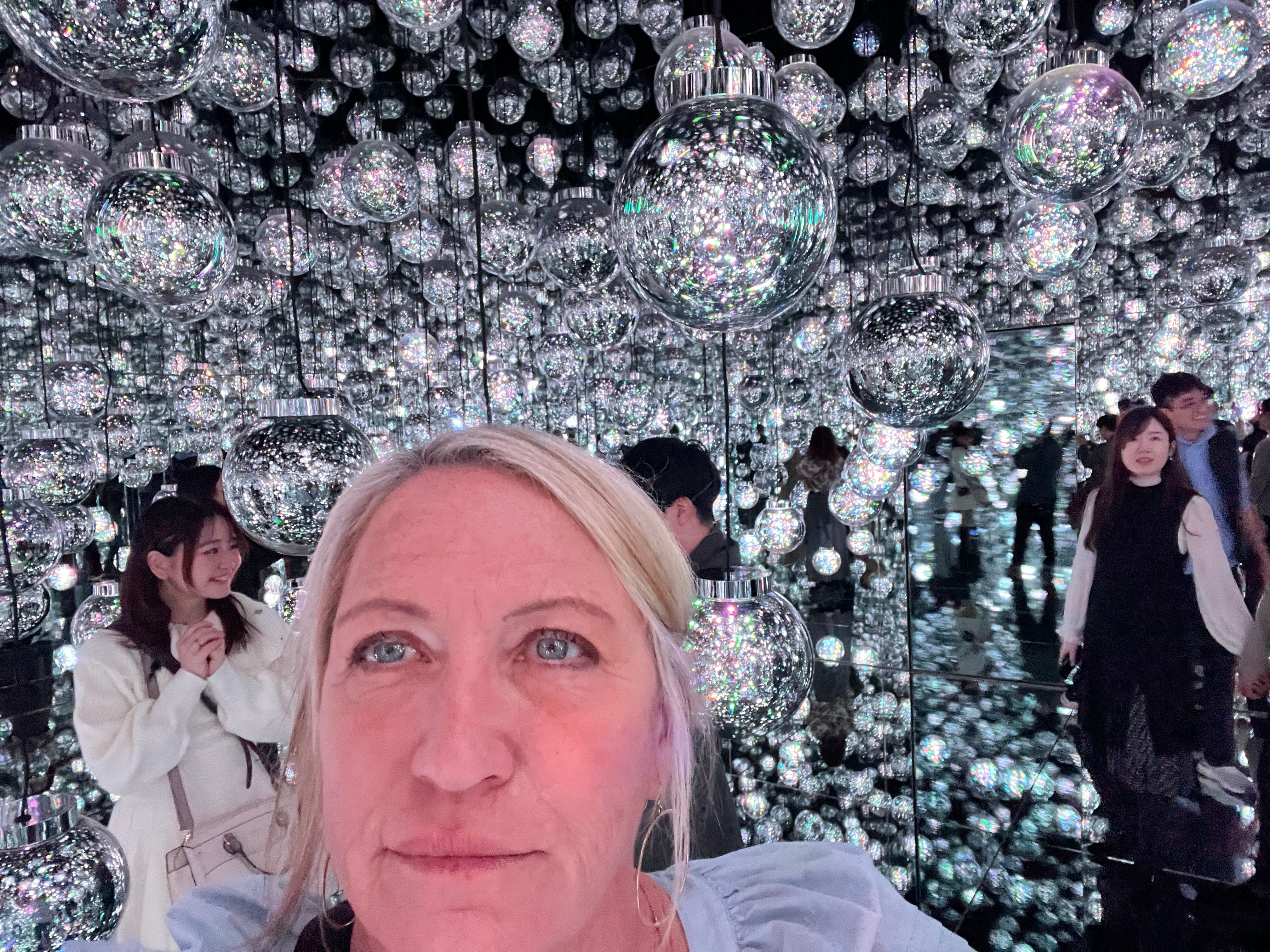
On your 5-day itinerary for Tokyo, experiencing places like the picture of us in this speakeasy in Shibuya, Tokyo, couldn’t happen with little ones in tow.

I have quite a few friends in this boat whose adult children have expressed an interest in touring Japan. They’ve planned amazing trips and returned with wonderful memories. I’ve drawn from their stories and my own trip with my adult daughters to create this 5-Day Itinerary Tokyo.
We spent 10 days in Japan and felt that 2 days in Osaka, 3 days in Kyoto, and 5 days in Tokyo were a perfect amount of time in each city for us.
If Tokyo is on your radar (and it should be!), here’s the perfect five-day itinerary that balances the iconic with the unexpected—ideal for families who want to laugh, explore, eat well, and maybe even get a little lost together in the best possible way. This 5-day itinerary for Tokyo will help you get the most out of your trip.
Day 1: Iconic Tokyo – Harajuku and Shibuya
- Meiji Shrine → Yoyogi Park → Takeshita St. → Cat Street → Omotesando → Shibuya→ Uobei Sushi → SG Club →Nonbei Yokocho
Morning (around 10:30 am):
Start your morning at Meiji Shrine, tucked inside a gorgeous forest just behind Harajuku Station. It’s calm, green, and such a peaceful way to begin your day. I love how the gravel path winds through tall cedar trees — it really sets the tone for something special.

Don’t miss the iconic Meiji Jingu Shrine Sake Barrels for that perfect Instagram shot (this recommendation is 100% unbiased and has absolutely nothing to do with my completely coincidental blog ‘Sake With Susan’ – pure coincidence, I swear 🍶😂). Traditionally, the people of Japan have always had a connection between the gods and the sake they produce. This decorative display gives honor to the gods. Every year, sake brewers throughout Japan donate the barrels to show their respect for the enshrined Emperor Meiji and Empress Shoken.

After visiting the shrine and writing a wish on an ema board (a small wooden plaque used by visitors at Shinto shrines and Buddhist temples to write down their prayers or wishes), exit toward Yoyogi Park.
Yoyogi Park is next, just a short 10-minute walk away. It’s one of Tokyo’s largest parks and often has live music, jugglers, and picnicking locals.

If you’re feeling like a little treat, there are usually vendors in the park selling mochi balls, which is an extremely popular snack in Japan. Mochi is made of sweet rice flour and water, and it typically comes with a sweet and savory soy sauce glaze. If you are gluten-free, there is a shop just a minute’s walk from the park called Aito Denki Mochiten that sells mochi and dumplings without gluten.

If it’s too early for you to try mochi, walk a few minutes toward 365 Days Bakery — their fluffy bread and beautiful pastries are worth the detour (and very photogenic). 365 Days has received high praise for its quality, with some reviewers calling it the best bakery they’ve ever been to. Grab something light because there’s more food ahead.
Tip: If you go to Yoyogi Park on a Sunday, you will most likely see rockabilly dancers performing. They are usually at the Harajuku-mon gates (the southeastern corner) and dance at various times throughout the day. I saw them there 30 years ago, and I saw them again a few months ago — probably a new generation of dancers the second time around.

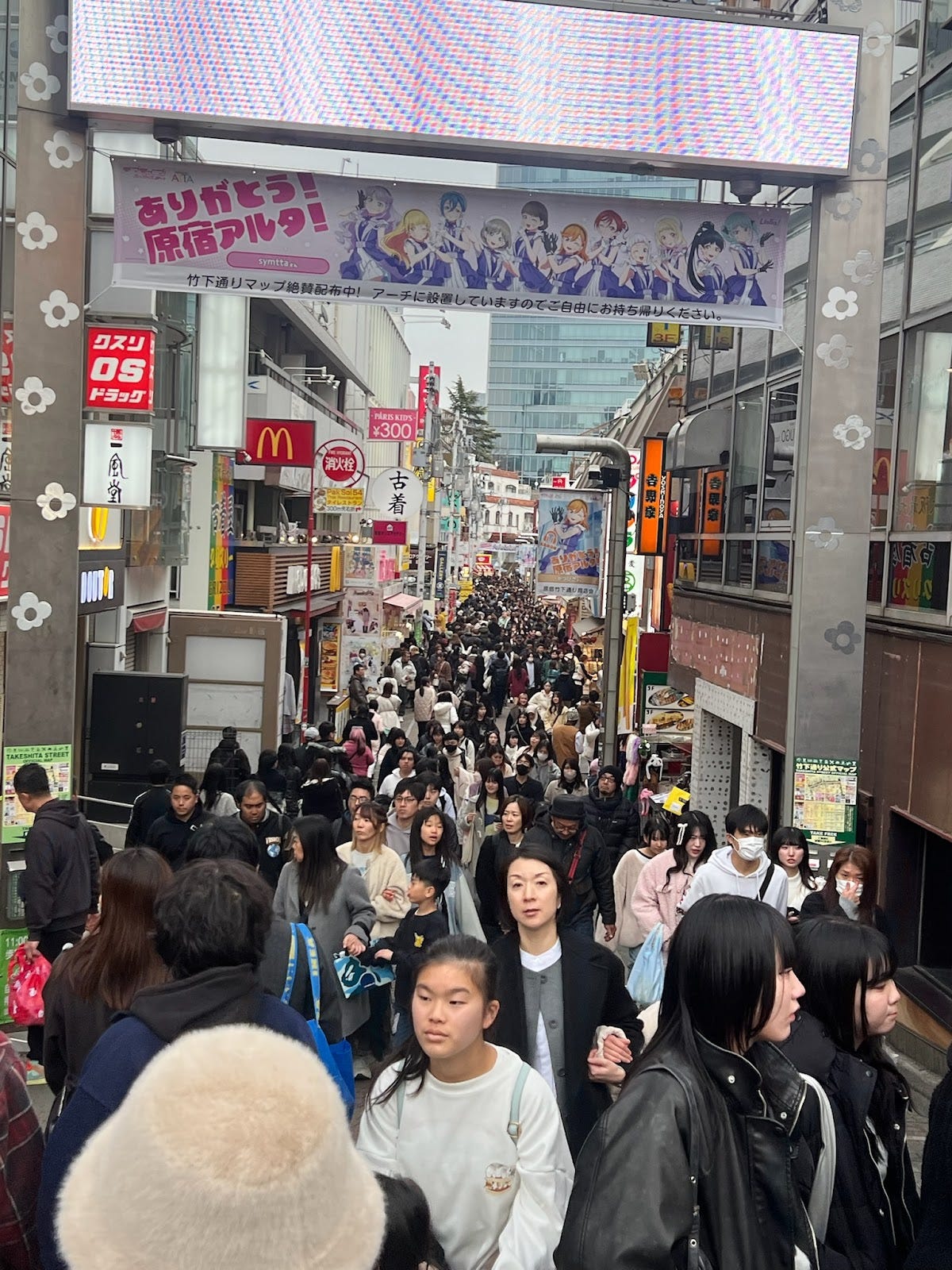
Now head over to Takeshita Street in Harajuku by 11:30 AM. Takeshita Street is wild—in the best way. Think rainbow cotton candy and bold fashion statements.


This narrow pedestrian street is pure energy — neon signs, teen fashion, crepes, and rainbow everything. Try a crepe at Santa Monica or Marion, or pop into Totti CandyFactory if you want one of those giant rainbow cotton candies. It’s a fun, fast-paced stretch and only takes about 30–40 minutes to explore.

Make sure to pop into one of the photo booths that take crazy pictures commonly known as Purikura. They have Beauty Filters which apply digital enhancements like skin tone adjustments, eye enlargement (to resemble anime characters), and face-slimming effects.

If your adult kids were ever into Harajuku-style fashion (or just love a good photo opp), they’ll eat this up.
If you’re missing your pet, go into one of Harajuku’s famous animal cafés. I know they’re a bit of a tourist trap, but let’s be honest—they’re also pretty fun. Choose between cafes with cats, dogs, ferrets, meerkats, fennec foxes, hedgehogs, chinchillas, capybaras, hamsters, guinea pigs, leopard geckos, shiba inus, otters, and even snakes.
Pig Cafe:

Otter Cafe:

From the chaos of Takeshita, it’s a refreshing shift to Cat Street, which starts nearby and meanders toward Shibuya. This is one of my favorite places to walk in Tokyo. It’s a quieter, cooler, trendy pedestrian alley that embodies the essence of Tokyo’s youth culture and fashion. A few of my daughter’s college friends told us that we were NOT to miss Harajuku Gyozarou Dumpling Restaurant. We had to wait 20 minutes to get in, but it was worth it, and the gyoza was delicious!

By 1:00 PM, you’ll reach Omotesando, Tokyo’s “Champs-Élysées.” Make sure to take the famous escalator through a kaleidoscope of mirrors in the Tokyu Plaza Omotesando, which is a multi-story shopping complex known for its unique architecture, diverse shopping.

Do not miss visiting the rooftop garden called The Omohara Forest for a matcha or a coffee.

From here, it’s a 15–20 minute walk into Shibuya, where we’ll spend the rest of the afternoon. First stop: Shibuya Sky at 2:15 PM. This open-air observation deck sits on top of a skyscraper and has panoramic views of the city, including Mount Fuji on a clear day. I love the contrast of nature and skyline — plus it’s very Instagrammable. Make sure you reserve tickets ahead of time! I recommend getting your tickets on Klook because you’ll get a 10% discount on food and drinks at the lounge when you show your voucher.

When you come down, swing by the Hachiko Statue, which is right outside Shibuya Station. Hachikō, a Japanese Akita dog, is renowned for his unwavering loyalty; he continued to wait for his deceased owner, Hidesaburō Ueno, at the train station for over nine years following Ueno’s death. Yes, it’s touristy—but you have to do it.
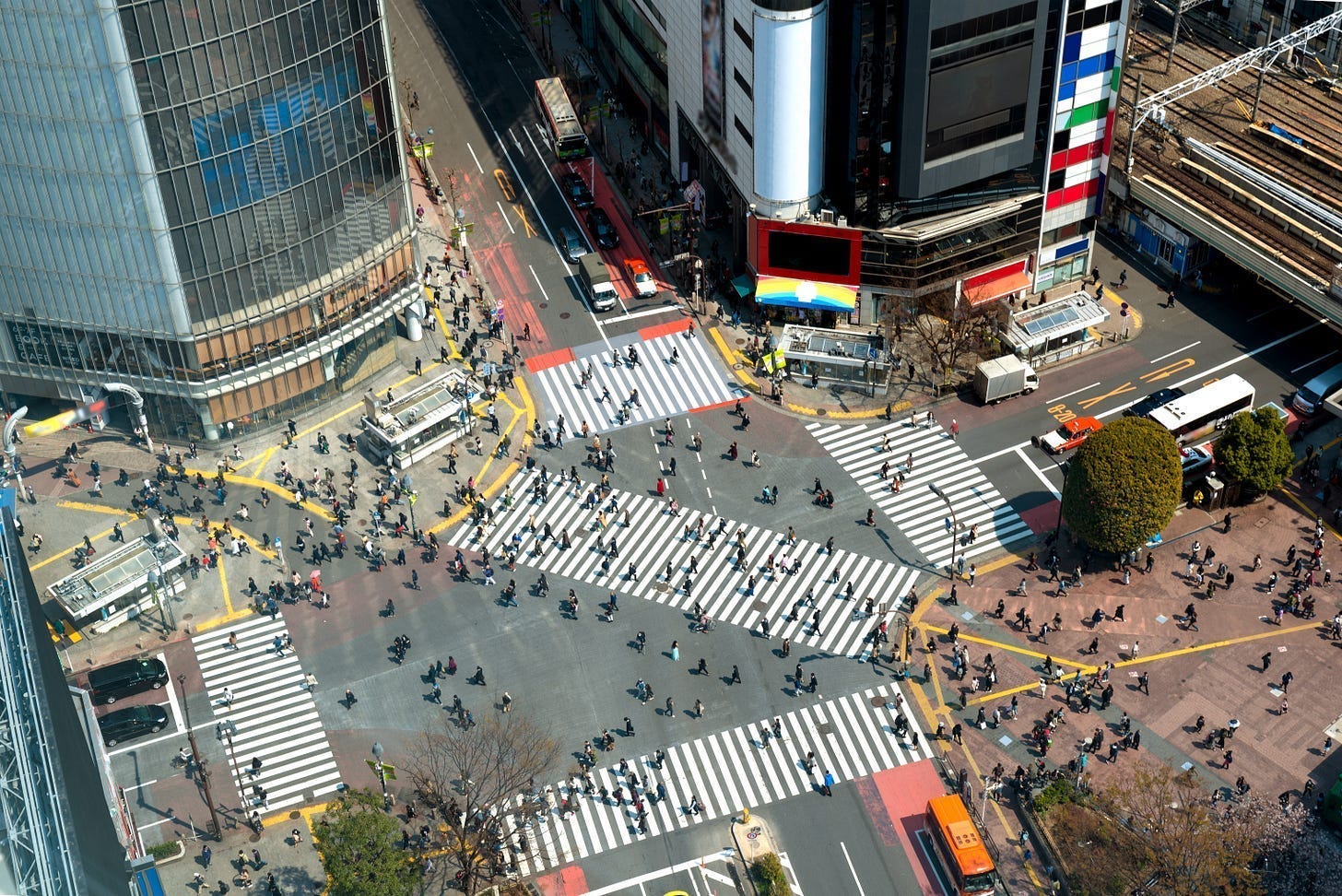
Shibuya Crossing is at around 3:00 PM, aka the busiest pedestrian intersection in the world. It’s one of those surreal only-in-Japan moments. Snap your photos.
Hot tip: There is a Starbucks on one corner of the crossing. It has a huge sign, so you can’t miss it. Buy an inexpensive drink, and they’ll let you sit in front of a window with a prime view of Shibuya Crossing for as long as you want..


Next up is Shibuya Loft around 3:20 PM. This place is a design lover’s dream — think stationery, Japanese gifts, travel gadgets, and super cute home goods.


If you still have the energy, pop into Tokyu Hands (just a few minutes away) for a DIY-style version of the same vibe.
Keep walking to Shibuya 109 around 4:15 PM, an iconic tower packed with youthful fashion. It’s loud, bright, and fun to browse, even if you’re just window shopping. For something a little more eclectic, walk over to Shibuya Parco around 4:35 PM — it’s home to the Nintendo store, a mini Pokémon Center, and a bunch of indie shops and art galleries. I always find something unexpected there.
Alternatively, for music lovers and anyone who appreciates the culture surrounding it, Tower Records Shibuya is a must-visit destination.
At 5:05 PM, wrap up your wandering with a visit to Miyashita Park, a trendy multi-level complex with a rooftop garden. It’s a great place to sit and soak in the last bit of daylight.

By 5:45 PM, head to Uobei Shibuya Dogenzaka, your well-earned dinner destination. It’s not your average sushi joint — here, you order on a screen and everything from sushi to ramen, fried food, and desserts zooms out to you on a conveyor belt via little shinkansen trains. It’s casual, fast, fun, and very affordable — perfect after a full day on your feet. Each plate is about $1.50.

Do NOT be late for your reservation at the SG Club. It is split into two distinct concepts: the casual “Guzzle” on the ground floor and the speakeasy-style “Sip” in the basement. It’s a popular spot, often recognized on lists of Asia’s and the World’s 50 Best Bars, and is celebrated for its unique atmosphere and creative cocktail pairings. Reservations can be made here.
To end your evening, stroll over to Nonbei Yokocho (‘Drunkard’s Alley’) where you’ll find rows of tiny bars – some so small that they only fit four or five people at a time. It’s conveniently located right by Shibuya Station. Although it’s become a tad more touristy in recent years, this one’s still one of Tokyo’s most representative yokocho (alleyways packed with bars and eateries).

🌸 Which part of Harajuku or Shibuya would your family be most excited about — rainbow crepes, animal cafés, or a gyoza feast? I’d love to hear your thoughts in the comments below!
Day 2: Tradition Meets Electronics, Anime, and Manga Culture
Tsukiji Market → Asakusa/Sensoji Temple → Akihabara
Today is all about contrast—starting with Tokyo’s deep cultural roots and ending with the colorful, electric rabbit hole of anime and gaming. This day is a key part of your 5-Day Itinerary Tokyo.
Morning:
- Tsukiji – Morning food and market stroll
8:30 AM
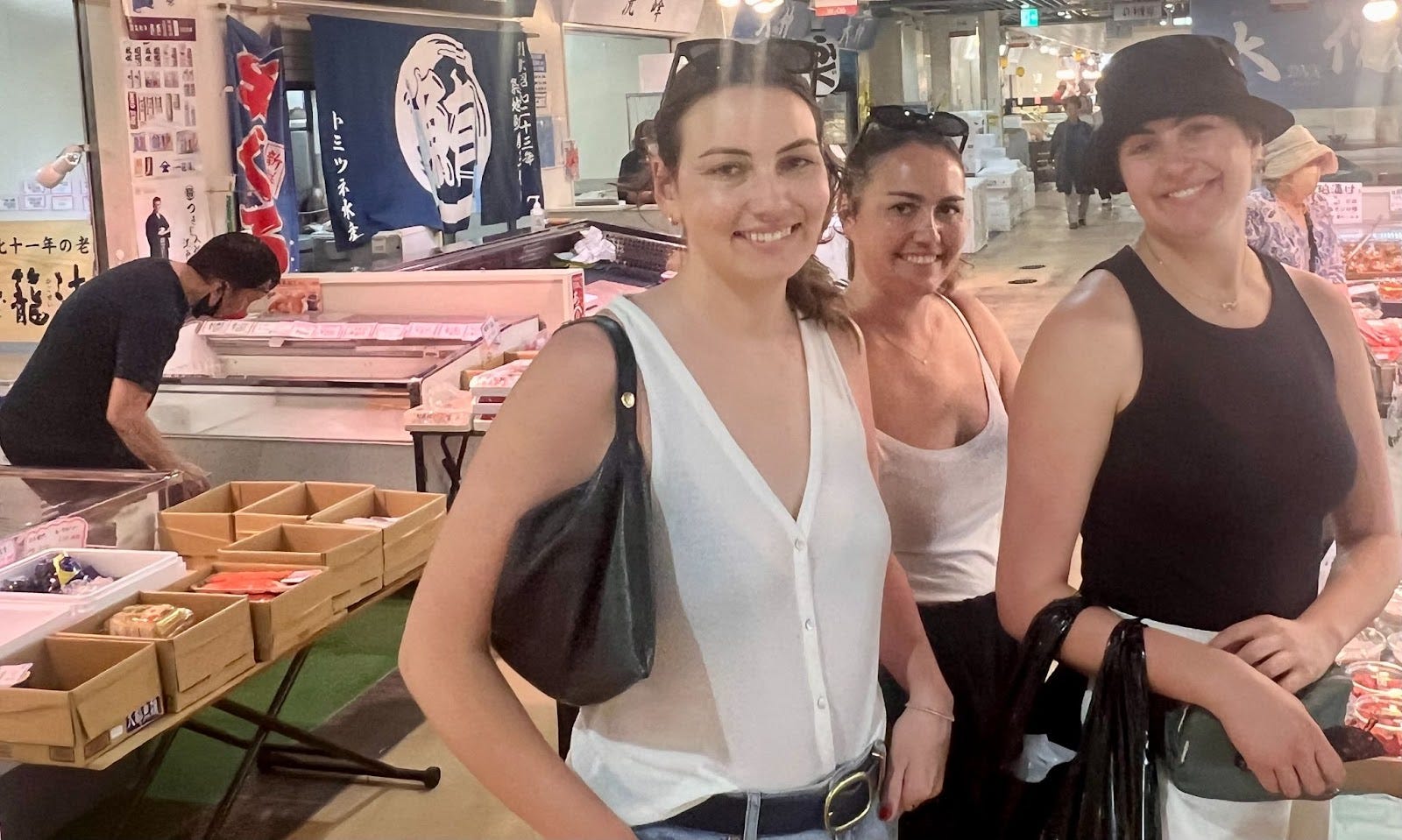
Start your day at one of the world’s largest fish markets, Tsukiji. Explore numerous food stalls, trying fresh sushi and other seafood dishes, and shop for unique ingredients and souvenirs. The reason for starting early is that most of the market is winding down by 11:00 AM, so go here first.


Train to Asakusa (20–25 min)
Tsukiji Station → Asakusa Station via the Hibiya and Ginza lines.
2. Asakusa – Culture, shopping, street snacks
10:30 AM – 12:30 PM
Asakusa and Senso-ji Temple
Options: Enroll in this highly-rated sushi making class where you’ll learn essential techniques, have a blast, and finish in under two hours—all at a reasonable price.
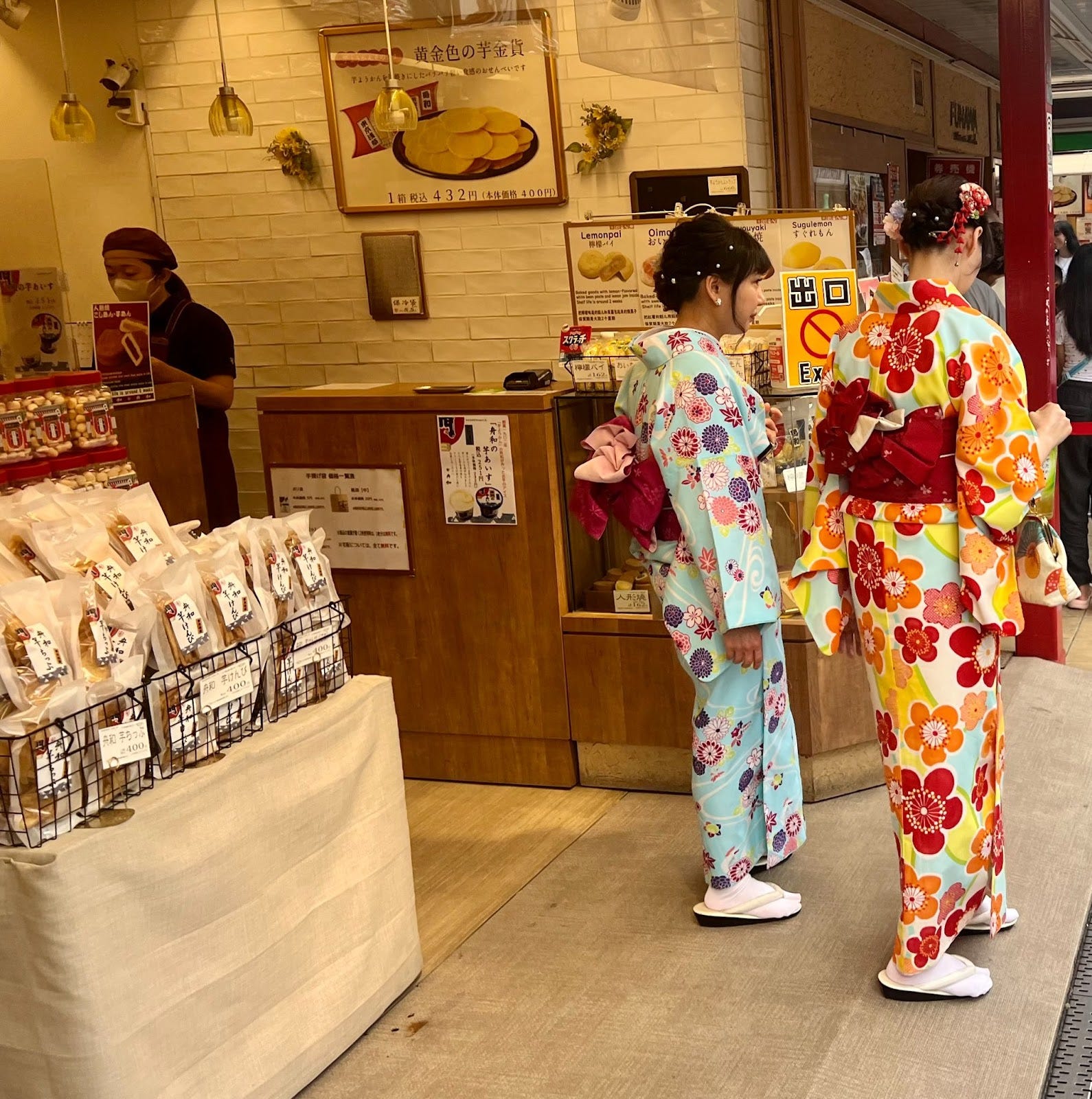
And/Or Rent a beautiful kimono or yukata and have it professionally styled for you — complete with optional hair and makeup services. Then, stroll through Asakusa and capture stunning photos in this iconic setting.
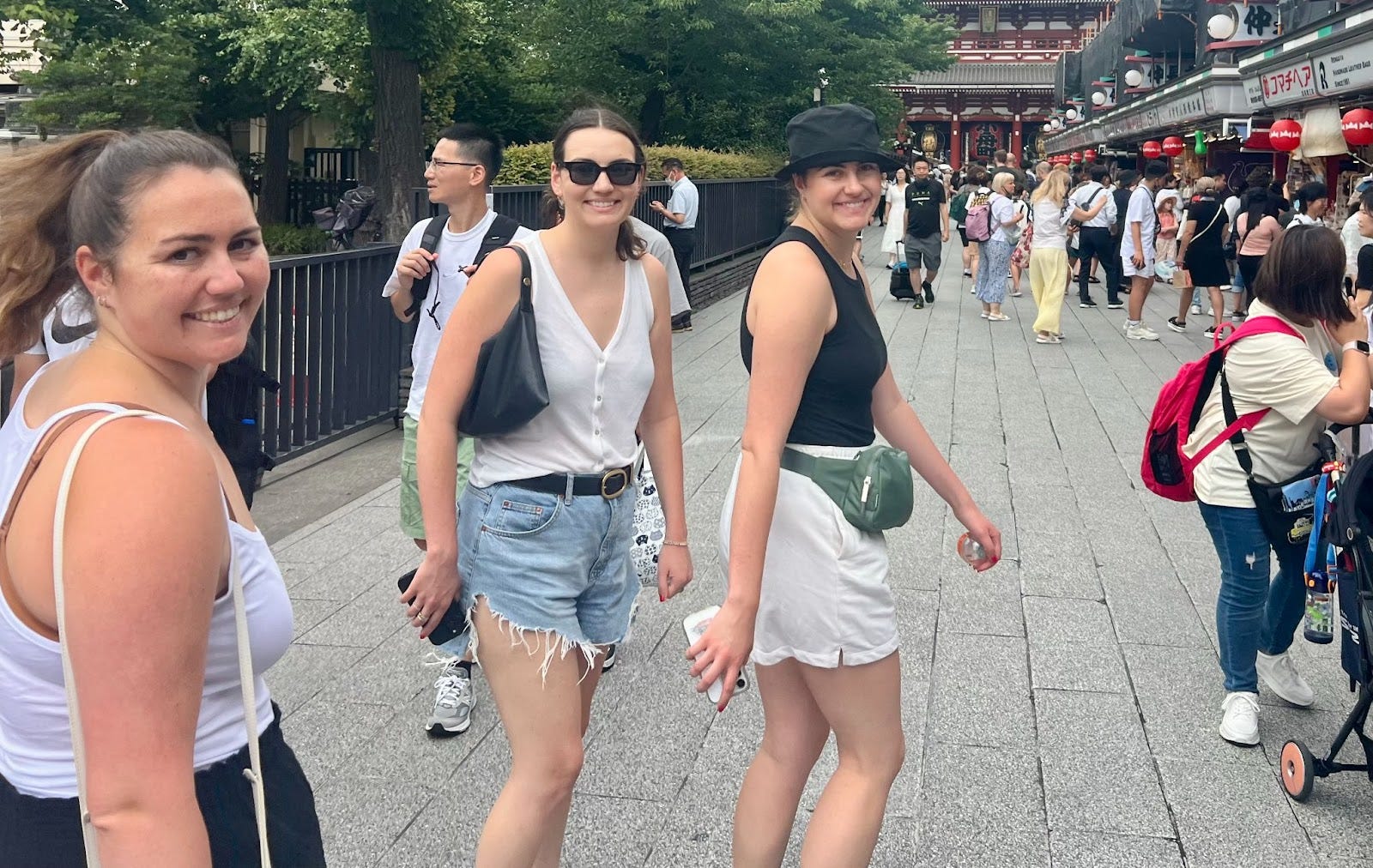
Explore Senso-ji Temple, the Kaminarimon Gate, and the Nakamise-dori shopping street for souvenirs and street snacks like melon pan, ningyo-yaki, and sweet potatoes. You’ll also get some of the best traditional Japanese photos here.
Senso-ji is Tokyo’s oldest and most visited Buddhist temple. Start at the Kaminarimon Gate (you can’t miss the giant red lantern), then stroll along Nakamise Street, where you’ll find traditional snacks like ningyo-yaki (tiny filled cakes) and charming souvenir shops. Take your time—this is one of those rare places that feels both lively and sacred.


Past the crowd, you’ll reach Hozomon Gate and Asakusa Shrine, which offer a calmer, more spiritual moment. It’s a great place to learn a bit about Buddhist and Shinto traditions.
This picture of Senso-ji Temple is from another time when I visited in the evening:

🍜 Lunch option: Asakusa Menchi for fried meat cutlets, or head to a tempura shop nearby (like Daikokuya).
Afternoon: .
Train to Akihabara (10–15 min)
- Asakusa Station → Akihabara via the Tsukuba Express or Ginza Line + JR Yamanote.
3. Akihabara Electric Town – Anime, arcades, tech, and subcultures
1:00 PM – 3:00 PM
Dive into otaku culture, which refers to a subculture in Japan, and increasingly worldwide, centered around passionate interests in anime, manga, video games, and other forms of Japanese pop culture. Stop into Super Potato (retro games), Yodobashi Camera, and arcades like GiGO or Taito Station. It’s a great stop for teens, young adults, or nostalgia fans.
Consider taking a break at a maid café. You’ll see them lining the streets, handing out menus to try to get you to go into their restaurants. If you’re traveling with adult kids, it can be a hilarious shared memory — or a little cringey in a fun way. Just go in with a sense of humor and openness. Many maid cafés are tourist-friendly and have English menus and are very used to welcoming tourists, especially in Akihabara. themed café where waitresses dressed in cute maid costumes serve you as if you were the “master” or “princess” of the house. It’s more about playful service and cuteness than it is about food quality. You might experience being greeted with “Welcome home, Master!” in Japanese, having your food decorated with ketchup art (like smiley bears on your omelet), playing card games, doing photo ops, or singing/dancing performances. Expect a cover charge (typically $3 to $6 pp) and a time limit (about 60–90 minutes).

Day 3: Garden Calm, Ginza Chic, and Tokyo Nightlife
Shinjuku National Garden → Ginza → Shinjuku’s Golden Gai
After two high-energy days, Day 3 brings a slower, more luxurious pace—one that blends nature, elegance, and moody alleyway magic. We’re starting in one of Tokyo’s most beautiful gardens, spending the afternoon in the city’s answer to Beverly Hills (but better), and closing the night in one of the most legendary bar districts in the world.
Morning: Shinjuku Gyoen + Brunch
Let’s start easy and gorgeous. Head to Shinjuku Gyoen National Garden, a peaceful oasis that combines Japanese, French, and English landscaping. This is one of my favorite green spaces in Tokyo—it’s expansive, manicured, and perfect for strolling with a coffee in hand while chatting or taking in the seasonal blooms. If you’re lucky enough to visit during cherry blossom season, this is the place to be.

After the garden, grab a late breakfast or early lunch nearby. If you want a vegetarian meal, Ain Soph. Journey is a beautiful plant-forward café with stylish interiors and mochi pancakes that are soft and fluffy and just the right kind of indulgent.
Afternoon: 1 Perfect Afternoon in Ginza: Tokyo’s Beverly Hills (But Better… and Cheaper!)
If Beverly Hills and Tokyo had a fashion-forward, food-obsessed lovechild, it would be Ginza. Everything about this neighborhood is elegant, clean, and elevated — but the biggest surprise? It’s also shockingly affordable right now. Thanks to the current dollar-to-yen exchange rate, Ginza is a shopper’s paradise where you can splurge without guilt. Seriously — it’s like going to Beverly Hills and finding everything 60% off, tax included!


Start your afternoon around noon near Kabukiza Theatre, a stunning historic building where traditional kabuki performances are still held. Even if you’re not seeing a show, it’s worth stepping inside to check out the little rooftop garden and beautifully curated gift shop. From there, wander west along Chūō-dōri, Ginza’s wide, glamorous shopping avenue. On weekends, the street becomes pedestrian-only, so it’s a dream to stroll down — relaxed, chic, and full of people dressed like they just walked off the pages of Vogue Japan.

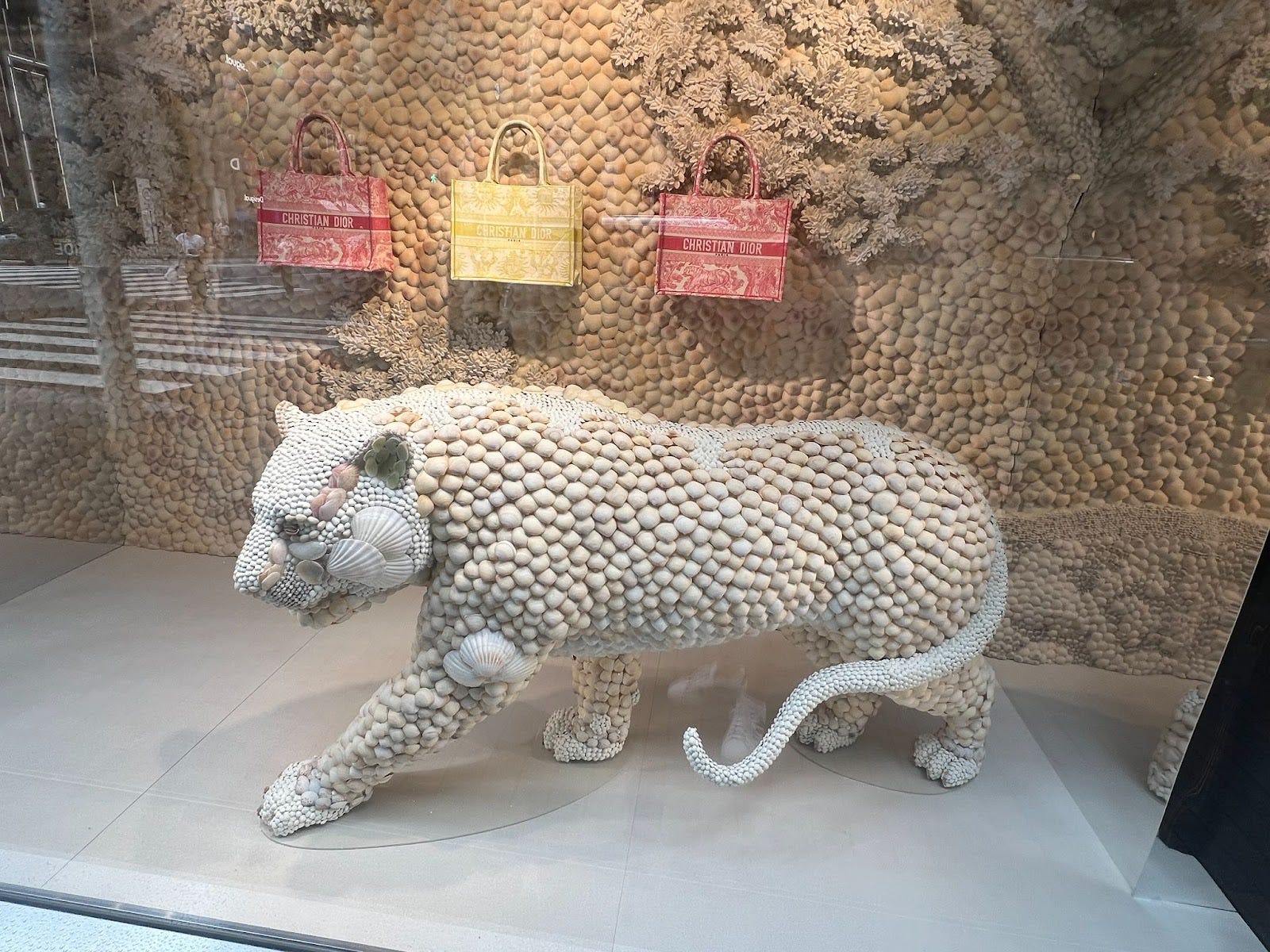
Ginza is often known for its luxury, and you’ll definitely find it here: Chanel, Dior, Hermès, Mikimoto, and more, all with architecturally stunning flagships. But here’s the twist — Ginza isn’t just for big spenders. You’ll also find H&M, Zara, Uniqlo’s multi-level global flagship, Muji, and even a GU (a fun, trendy, ultra-affordable Japanese brand). And with the yen being so weak right now, those already affordable pieces? They feel like a steal. If you’re a mom of girls, this is the place to let them go wild on a shopping spree that feels luxe but doesn’t break the bank. We bought so many clothes at a good price that we had to purchase a suitcase to take it home.
Hidden Gem:
Now here’s an activity that made me feel like a total VIP: on the 4th floor of Mitsukoshi department store, tucked behind their beauty counters, is a fashionable salon called Nora Ginza. We had the most luxurious Kérastase Head Spa treatment and blowouts for only 4,950 yen — that’s about $33 USD, including tax and tip! Let me repeat that: a deeply relaxing scalp massage, shampoo, conditioning treatment, and professional blowout, right in the heart of Ginza, for the price of lunch in LA. It was serene, stylish, and a complete bargain. If you’re traveling with daughters or girlfriends, this is the perfect “treat yourself” experience — we floated out of there. Make sure to make a reservation!

After pampering yourself, head downstairs — way downstairs — to explore one of Japan’s most beloved treasures: the depachika, or basement food halls. Ginza’s major department stores like Mitsukoshi, Matsuya, and Ginza Six all have them, and they are absolutely mind-blowing. Imagine a high-end grocery store, luxury delicatessen, and pastry art gallery all rolled into one. You’ll find jewel-box sushi trays, shimmering jellies, glistening wagyu bento boxes, beautifully packaged sweets, and even $100 melons lined up like couture handbags. And it’s not just for show — you can sample, snack, or grab things to go. Even just walking through is an experience. Make sure to read my article called “Don’t Miss Mitsukoshi Ginza’s Culinary Heaven!”

If you’d like a proper lunch, there are plenty of excellent restaurants tucked into the upper levels of the department stores or just off the main streets. For something refined yet casual, try Ginza Ukaitei for a teppanyaki lunch or Sushi no Midori for a more relaxed (but still delicious) sushi experience. If you’re craving Western-style plates, Bills Ginza inside Okura House has beautiful city views and airy modern decor — and their ricotta hotcakes are a hit.
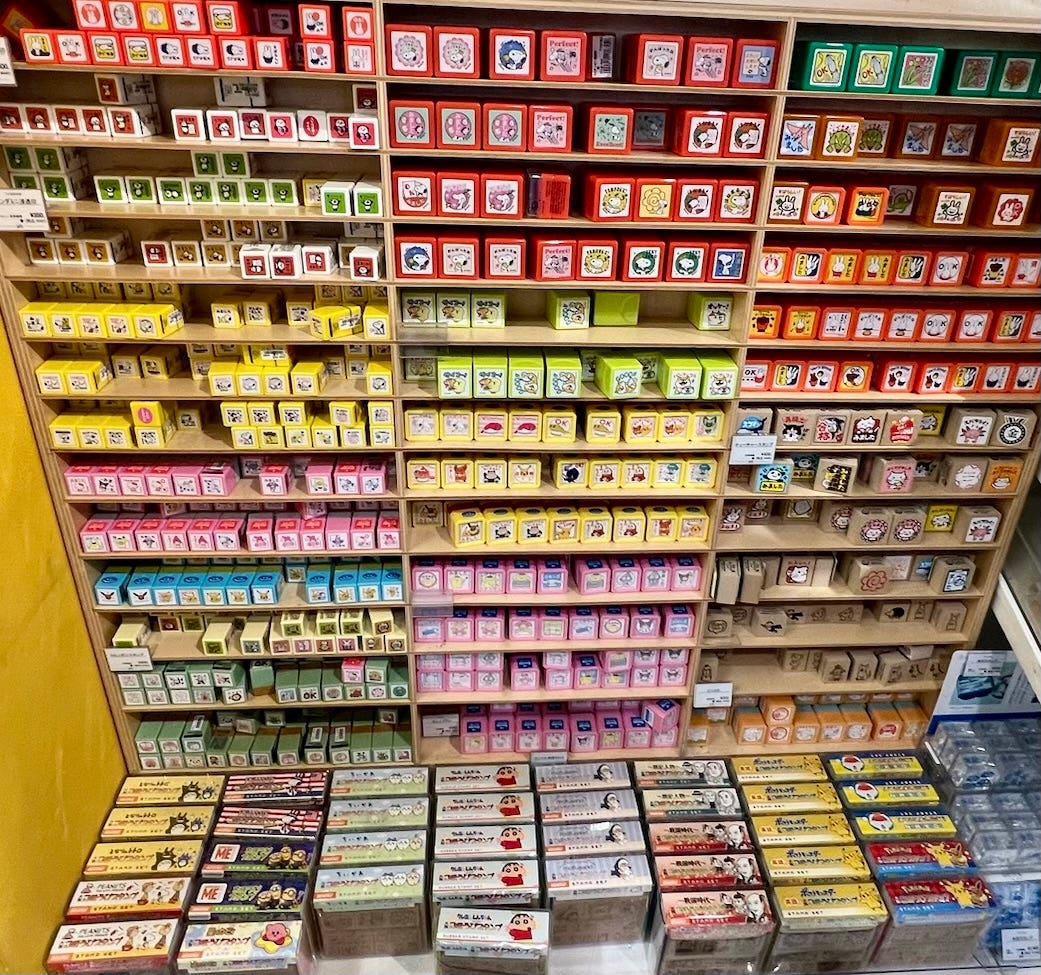
After lunch and shopping, make a quick stop at Itoya, a multi-floor stationery wonderland that’s perfect for gifts or travel journaling supplies. Even if you’re not a pen nerd, you’ll love browsing the washi tapes, travel stamps, and Japanese art papers. There’s also a calm little café tucked inside the upper floor for tea or fresh juice.
To end your afternoon on a relaxing note, head to the Ginza Six rooftop garden. It’s a peaceful escape right above the buzz — open-air greenery, art installations, and sweeping skyline views. It’s the kind of place you’d expect to pay a ticket fee to access, but it’s completely free.
Before heading out, grab a quick cocktail at Bar Orchard Ginza, a stylish speakeasy-style spot with seasonal fruit cocktails and a cozy vibe. Or, if you’re still in the mood to explore, wander toward Yurakucho for a more local izakaya scene tucked under the train tracks — smoky, loud, and full of Tokyo salarymen unwinding after work. A perfect contrast to Ginza’s polished perfection.
Evening: Golden Gai + Omoide Yokocho
To wrap up the day, make your way to Shinjuku’s Golden Gai—Tokyo’s most legendary alleyway of teeny-tiny themed bars. Each bar is unique, quirky, and often only seats four or five people at a time. Don’t be intimidated—tourists are welcome, especially if you arrive before 9 PM.
On the way, make sure to stop at the Cross Shinjuku Vision building near the East Exit of Shinjuku Station. and look up. You’ll see the giant 3D cat billboard, which features a lifelike calico cat that appears to leap out of the screen. The display is part of a high-tech, curved LED screen that spans three floors.
If you’re hungry again (or skipped dinner earlier), take a 10-minute walk to Omoide Yokocho, aka “Memory Lane.” This smoky row of yakitori (meat skewers) stalls and izakayas is vintage Tokyo at its best. It’s all grilled skewers, beer, and elbow-to-elbow energy. Perfectly unpolished. Perfectly Tokyo.
Here I am squeezed into a tiny bar in Omoide Yokocho. Don’t be shy—just sit right down, even if it means sharing a table with strangers. Before you know it, you’ll be having a great conversation with local Japanese patrons. In this photo, I’m squeezing fresh orange juice into a glass of shochu, a popular drink in Japan.

Day 4: Indie Vibes, Art Immersion, and Nighttime Wonder
Morning: Shimokitazawa
Start your day in one of Tokyo’s coolest neighborhoods: Shimokitazawa. This place feels like a Japanese version of Silver Lake or Williamsburg, Brooklyn. In fact, two of my girls live in Williamsburg, and they’d heard that Shimokitazawa was not to be missed. It’s filled with vintage shops, vinyl stores, handmade jewelry, and cozy cafés tucked into quiet backstreets.
Wander through shops like Flamingo (great vintage clothes) or Village Vanguard for quirky books and Japanese oddities. If you’re a fan of Le Labo’s signature minimalist aesthetic and cult-favorite scents, you’ll be happy to know there’s a store in Shimokitazawa, Tokyo. Opened on June 30th, it’s located at 3-30-1-1F Kitazawa, Setagaya-ku, and offers their signature Fresh Blending service—fragrances are hand-mixed and bottled on-site after you order. You can also customize labels with personal messages and the date of purchase. My girls bought a few candles to bring back to their friends with a Tokyo label on them—it was such a special and stylish souvenir.
Then grab a coffee at Bear Pond Espresso, known for its neighborhood charm and strong pour-overs.
Lunch: Japanese Soba or Ramen
If you’re craving something savory and Japanese, try one of these soba or ramen restaurants that are sprinkled around Shimokitazawa. You can’t visit Japan without tasting these.
Afternoon: Pick Your Art Adventure
The new teamLab in Azabudai Hills is insanely cool—an immersive, mind-bending digital art experience where your body becomes part of the artwork. It’s a fully sensory, interactive playground that’s perfect for both families and adult kids. Visitors wander through … mirrored gardens amid thousands of moving, real flowers” and experience surreal, water-immersive installations that literally sparkle underfoot. I truly is like nothing you’ve ever seen before. Don’t miss it!


Pro Tips:
- Tickets require timed-entry, and sell out—book ahead on Klook Travel
- Download the teamLab app to fully engage with interactive pieces
Pre-Dinner, Dinner, & Post-Dinner Options in Roppongi
Since you’ll already be in Roppongi, head over to the Ritz-Carlton Tokyo for a sunset cocktail. The Lobby Lounge & Bar is located on the 45th floor of Midtown Tower and offers jaw-dropping panoramic views of Tokyo. I’ve done it twice in the past year, and it never disappoints. If the weather’s clear, you’ll get a glowing orange sky over the skyline—truly unforgettable.

Ready to splurge? Book far in advance for a once-in-a-lifetime sushi experience at Sushi Saito, one of Tokyo’s most revered sushi restaurants.
To end the evening on a high note, toast your Tokyo adventure with craft cocktails at Roku Nana—a sleek, stylish bar tucked into Roppongi’s nightlife scene.
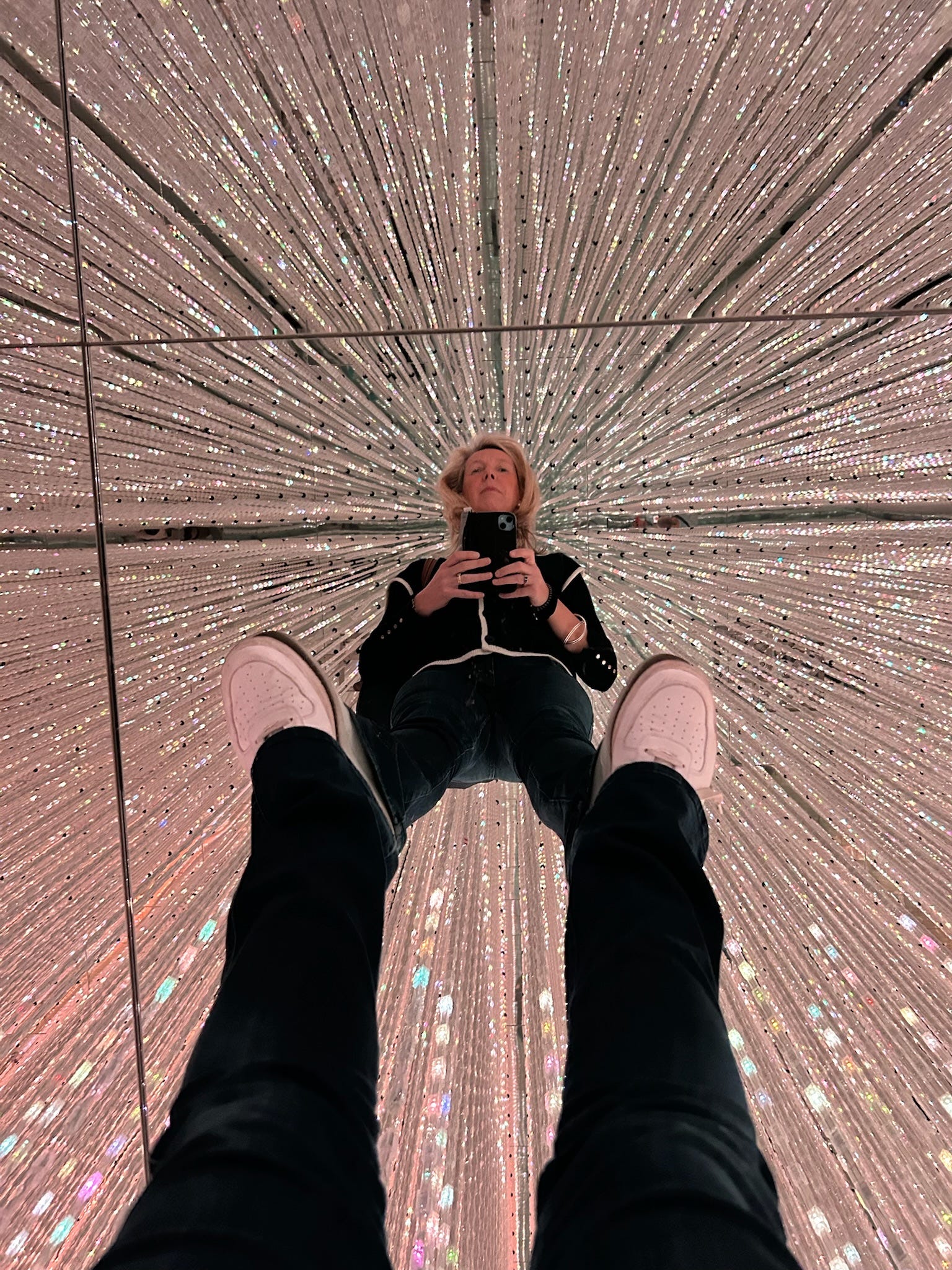
This is the day to reflect, relax, and savor your last full day in Tokyo. Whether you choose artsy immersion, secondhand treasure hunts, or a final trip through glowing infinity rooms, this day leaves you feeling like you’ve experienced a Tokyo that few tourists get to see.
Day 5: A Day to Remember: Mt. Fuji & Hakone-My Top Tokyo Day Trip Pick! ✨
I highly recommend signing up for this trip
Mt. Fuji & Hakone Tokyo Day Trip
Everything is thoughtfully organized, so you can simply sit back, relax, and enjoy the experience while they take care of all the details. I just got back from this incredible Mt. Fuji day trip from Tokyo, and I can’t recommend it enough! I visited every spot on this tour myself—each one is unique, stunning, and filled with that deep sense of beauty and serenity that makes Japan so special.
If you’re visiting Tokyo, don’t just stay in the city—get out and experience the breathtaking landscapes nearby. This is hands-down one of the best Tokyo day trips you can take. It’s the perfect mix of iconic sights, peaceful nature, and unforgettable cultural moments. Truly a spiritual reset and a scenic escape all in one!
🏔️ Why You Have to Add This to Your Itinerary
Whether you’re drawn to sacred shrines, epic views of Mount Fuji, or relaxing lake cruises, this Tokyo to Hakone adventure checks all the boxes. I loved every stop and know you will too.
This isn’t just a touristy photo op—it’s a journey into Japan’s heartland.
✅ Stunning natural beauty
✅ Deeply peaceful vibes
✅ Once-in-a-lifetime views of Mt. Fuji
✅ Easy to do in one day from Tokyo
Take it from me—it’s absolutely worth it. Your trip to Japan won’t be complete without it.
View of Mt. Fuji on the way to our destination:

🌸 Your 6-Stop Mt. Fuji & Hakone Day Tour 🌸
1️⃣ Hakone Shrine & Lake Ashi Torii
Start the day at Hakone Shrine, hidden in a serene forest at the foot of Mount Hakone. Locals visit this peaceful spot to pray for safe travels, love, and success. The shrine’s iconic red torii gate appears to float in Lake Ashi, with Mount Fuji often rising in the distance—a stunning photo op and spiritual moment all in one.
📸 Pro Tip: This is one of the most Instagrammable locations in all of Japan!

2️⃣ Hakone Pirate Ship Cruise on Lake Ashi
Set sail like a feudal lord on a charming replica pirate ship across Lake Ashi! This scenic cruise (1,200 yen/person) offers panoramic views of Mount Fuji, lush mountain scenery, and that famous torii gate from the water. A must-do for any Tokyo to Hakone journey!

3️⃣ Hakone Ropeway (Cable Car)
Glide over volcanic valleys and steaming vents on the Hakone Ropeway. On a clear day, you’ll get sweeping views of Mount Fuji, Lake Ashi, and surreal lunar landscapes. It’s a short ride, but packed with photo-worthy scenery.

4️⃣ Owakudani Volcanic Valley
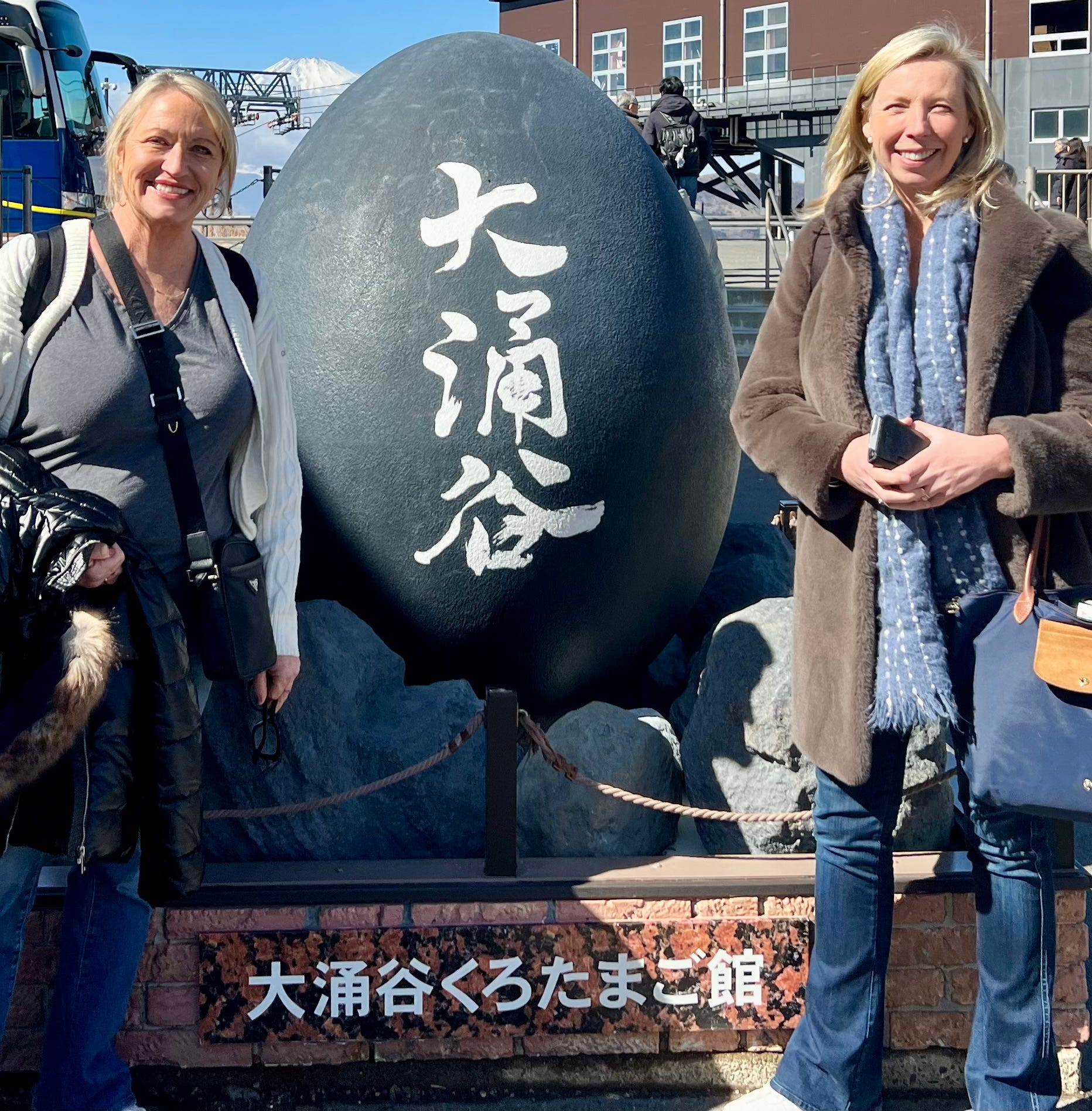
Step into another world at Owakudani, a bubbling volcanic crater still emitting sulfur steam. Don’t miss the iconic black eggs—local legend says each one you eat adds 7 years to your life! The smell is strong, but the views and vibes are unforgettable.


5️⃣ Yamanakako Shiratorihama (Swan Lake)
This peaceful lakefront, home to graceful swans, offers a tranquil break from sightseeing. Take a walk along the shore, breathe in the fresh air, and snap some nature photos. The perfect quiet contrast to Tokyo’s busy streets.
6️⃣ Oshino Hakkai Spring Village
End your day at Oshino Hakkai, a picture-perfect village with eight crystal-clear ponds fed by snowmelt from Mount Fuji. This is old Japan at its finest—think cobblestone paths, traditional houses, and delicious local treats. Grab a snack and admire Fuji’s reflection in the still water.
🏔️ Why This Day Trip is a Must
Whether you’re craving spiritual sights, scenic landscapes, or tasty street snacks, this Mt Fuji day trip from Tokyo hits all the right notes.
This trip is one of the most popular Tokyo day trips—and for good reason. Add it to your Japan itinerary and make memories that last a lifetime.
🗻 Would you take this Mt. Fuji & Hakone day trip or choose a different adventure outside Tokyo? Let me know in the comments!
Summary
Reminders of what to book in advance:
Kimono and Yukata Rental for Amazing Photo Ops
Nora Ginza for scalp massage, shampoo, conditioning treatment, and professional blowout
Alternative activities to consider doing in Tokyo:
Sumo Show – enjoy the thrilling matches of former sumo wrestlers up close with an all-you-can-eat traditional Japanese meal (chicken hotpot), while watching the show.
Tokyo Disneyland & Tokyo DisneySea Park Tickets
💬 Have you traveled with your adult children? What was your favorite memory from the trip? Would you add anything to this Tokyo itinerary? I’d love to hear your thoughts in the comments below!
👉 Want more insider tips for planning your Japan adventure?
[Join my community of Japan travelers for exclusive tips, giveaways, and insider secrets. Sign up on my Sake With Susan website and stay in the loop! 📩]
✨ Love this post? Share it with someone dreaming of Japan, or save it for later on Pinterest! 🇯🇵
Some of the links on this page are affiliate links. This means that if you click and make a reservation or purchase, I may earn a small commission — at no extra cost to you. In fact, sometimes you’ll even get a special discount! It’s a simple way to support my blog and helps me keep sharing helpful, honest travel tips. Thank you for your support!
💗 Susan